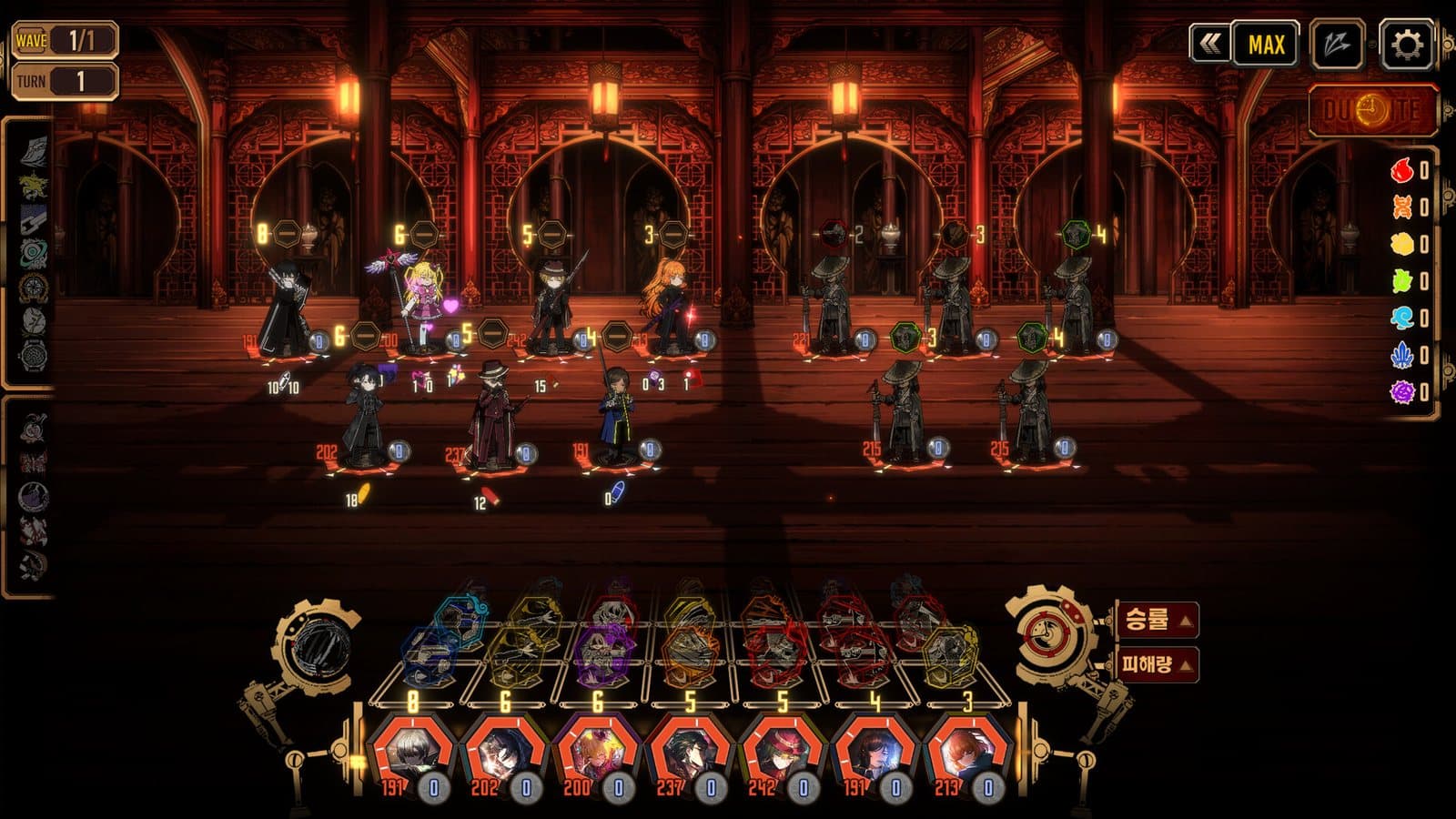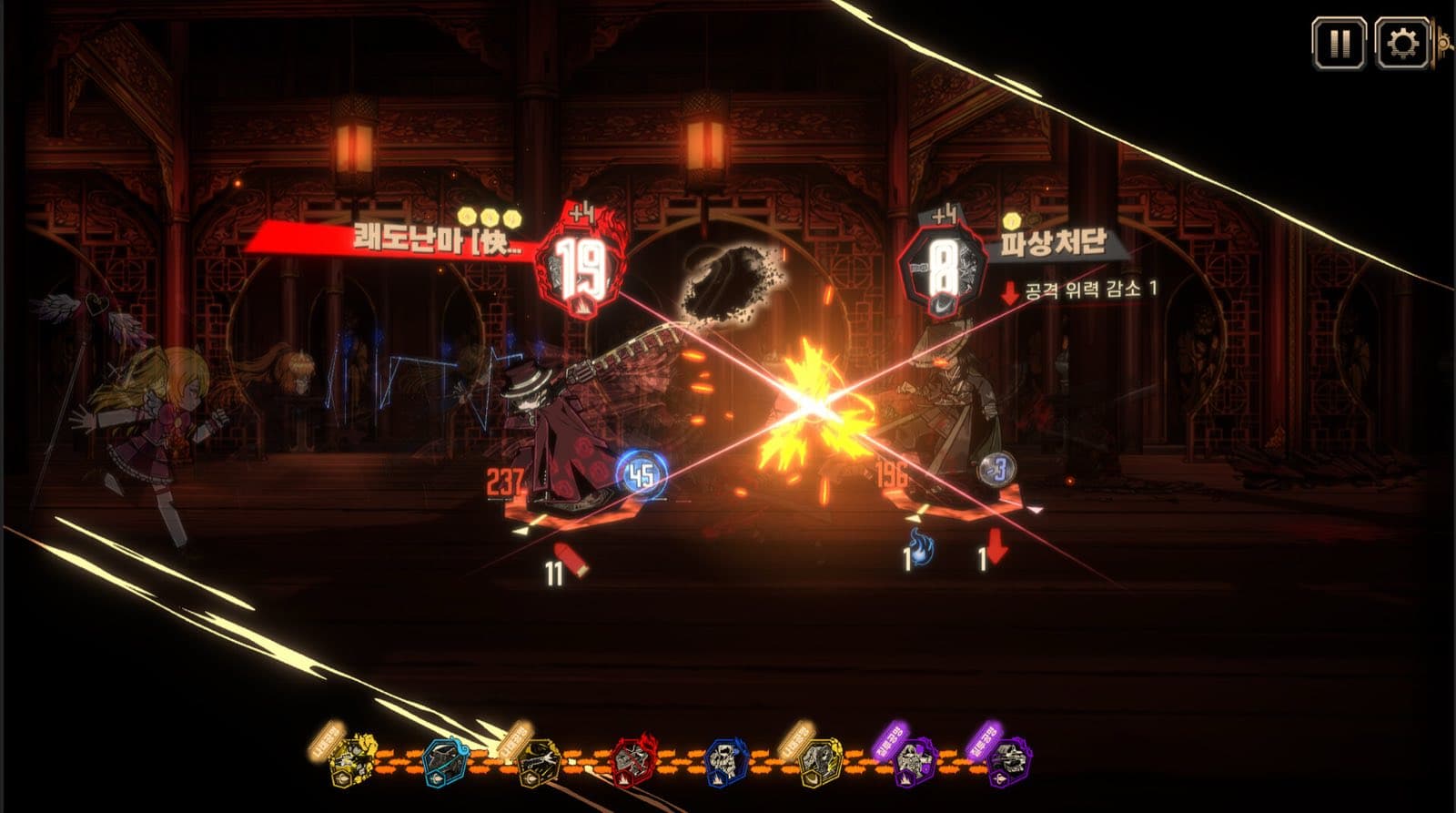
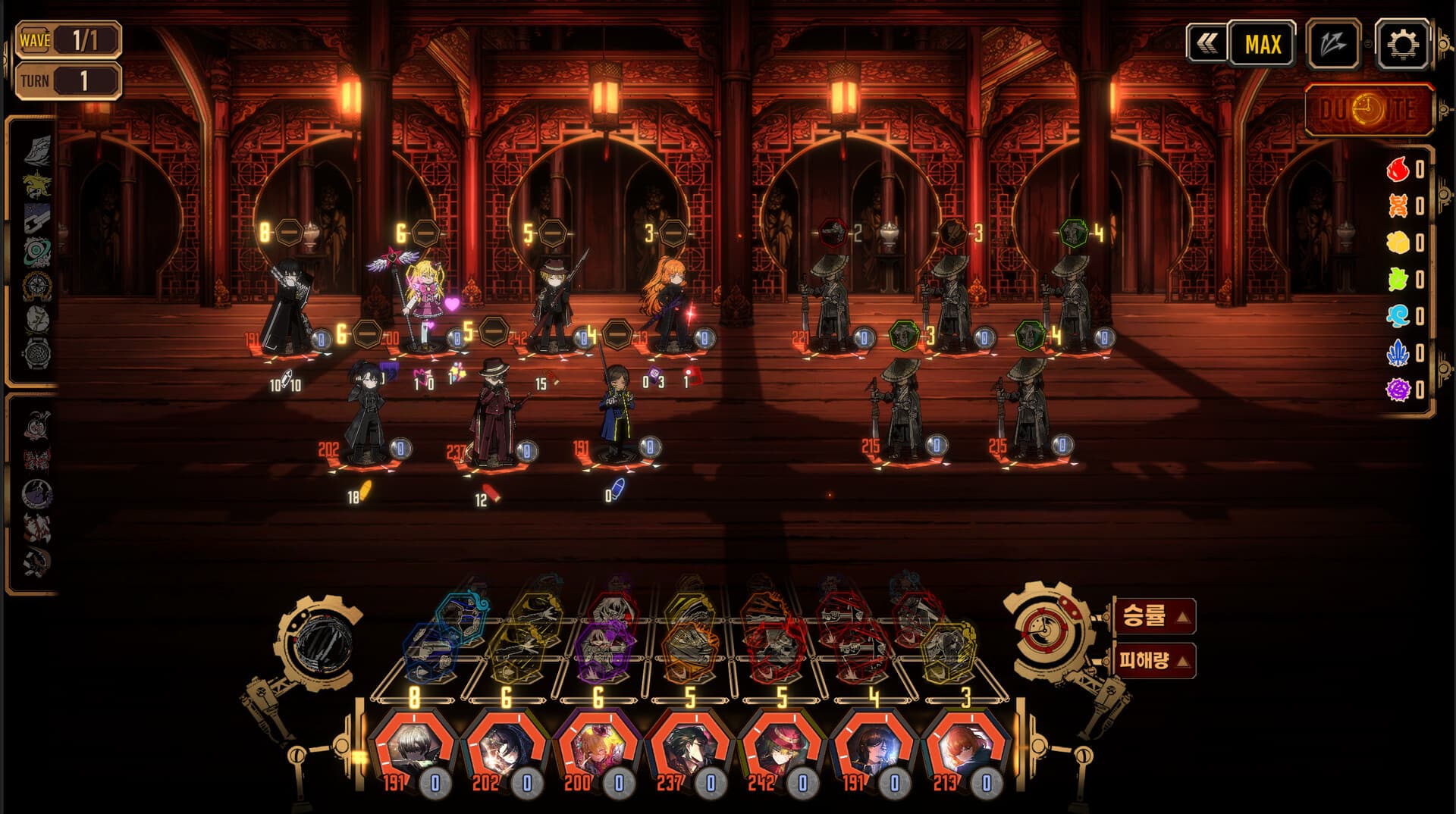
Here is the mental shift that turns Limbus Company from confusing to clear: you are not building a team of your best characters. You are building a team around a single status archetype, and every Identity you slot in should either apply that status or get stronger because of it. A squad of six mismatched five-star Identities loses to a focused Bleed team every time.
There are seven statuses worth organizing five Sinners around: Bleed, Rupture, Burn, Tremor, Sinking, Poise, and Charge. Pick one, fill four slots with Identities that apply or exploit it, leave the fifth for a healer or Sanity manager, and you have a functioning team. Which one is best for you depends mostly on what your free and early Identities already do, and the status team tier list ranks how far each archetype currently goes.
That is the whole game, really. Once the archetype clicks, the rest of team building is coverage: making sure you can win clashes and punch through enemy resistances while your status stacks do the heavy lifting.
First, the pieces that never change
Limbus does not gacha for characters. You have the same 12 Sinners as everyone else, permanently. What you pull for are Identities (alternate versions of those Sinners with different kits) and E.G.O (powerful special skills with their own costs). A battle squad is five Sinners, and because each Sinner can only appear once, your roster planning is really about which Identity of each Sinner you bring.
Three systems decide whether that squad functions:
- Clashes. Skills fight skills. Each skill rolls coin values, and the higher roll wins the clash and lands its hit. Higher Sanity, more coins, and matching conditions all push your rolls up.
- Sin affinities. Every skill belongs to one of seven sins: Wrath, Lust, Sloth, Gluttony, Gloom, Pride, Envy. Affinities matter for clashing and, more importantly, for unlocking team-wide passives.
- Damage types. Slash, Pierce, and Blunt. Enemies resist some and are Fatal to others, so a squad locked into one damage type will bounce off the wrong encounter.
Pick one archetype and commit
Status effects in Limbus reward stacking, and the payoff scales when your whole team feeds the same status. That is why "a bit of everything" loses to a dedicated build. These are the archetypes worth organizing a squad around.
| Archetype | What it does | Why it works |
|---|---|---|
| Bleed | Damages enemies when they act | Punishes multi-hit and fast enemies; strong defensively |
| Rupture | Damages enemies when they take hits | Scales hard against everything with your own attacks |
| Burn | Ticks damage at end of turn | Reliable, low-maintenance chip damage |
| Tremor | Builds up, then bursts for a big hit | Front-loads a huge payoff on a delay |
| Sinking | Drains Sanity and deals scaling damage | Snowballs in long fights and against big HP pools |
| Poise | Stacks permanent buffs on your own units | Turns drawn-out fights into runaway wins |
| Charge | Banks resource, then spends it on burst skills | High ceiling for players who manage the economy |
The rule: choose one, then fill four of your five slots with Identities that either apply it or benefit from it. Your fifth slot is flex, often a strong healer or a Sanity manager.
Cover your clashes and your resistances
An archetype gives you damage. Coverage keeps you alive to deal it.
- Spread your sin affinities enough to hit resonance. Many Identities grant a passive only when the squad carries a threshold of a given sin, for example three Envy skills unlocking an Envy resonance passive. Building your archetype so it naturally clusters two or three sins is how you turn on those free team-wide buffs.
- Do not lock into one damage type. If every skill is Slash, the first Slash-resistant boss walls you. Mix in Pierce or Blunt Identities so you can answer resistances instead of grinding through them.
- Win the clash before you worry about damage. A skill that loses its clash never lands. Keep Sanity high (it raises coin rolls), and favor Identities with high coin counts and offense-level advantage. Our clash and coin combat guide goes deep on the math of why some skills reliably win and others whiff.
Building a squad as a new Manager
New Managers overcorrect toward chasing meta Identities. You do not need them. The starting roster and early free Identities clear the main story and a good chunk of the harder content if you build with intent.
- Lean into whatever status your free Identities already share. Early on, that is often Bleed or Rupture. Let the game hand you an archetype instead of forcing one.
- Keep at least one dedicated survivability pick. A healer or a Sinking-Sanity manager buys you the turns your damage needs to snowball.
- Level width before depth at first. Five usable Identities beat two invested ones plus three benchwarmers, because you deploy five every fight.
- Save your pulls for Identities that complete an archetype, not for whoever tops a chart in isolation. Context beats raw rating. The tier list is a starting map, not a shopping order.
Where team building pays off
Everything above exists to survive the two places Limbus actually tests your squad. Mirror Dungeon is the roguelike endgame where a coherent archetype snowballs into absurd numbers, and it is the best place to feel a team come together; our Mirror Dungeon guide covers how to draft E.G.O Gifts that amplify whatever status you brought in. The harder story bosses, meanwhile, punish exactly the coverage gaps described here, unresisted damage and lost clashes.
Get the loop right, one archetype, enough sin spread to trigger resonance, enough damage types to answer resistances, and Limbus stops feeling like a wall of systems. It becomes a puzzle you have already solved before the fight starts. If you are still deciding whether the game is for you, our full review lays out who it clicks for and who it does not.