The core shells
Limbus Company is a turn-based RPG from Project Moon that looks complicated at first glance but locks down quickly once the clash mechanic clicks. You control 12 Sinners, each of whom can wear multiple alternate IDs (think of IDs as loadout variants of the same character). Combat is driven by a skill-clash system where you match your skills against enemy skills for dominance, and by stacking status effects like Bleed, Burn, or Tremor to amplify damage. The story is the main draw. The gameplay loop is genuinely free-to-play friendly once you understand the weekly resource rhythms. This guide gets you there without wasting your first month.
What Limbus Company Is (and Who Made It)
Limbus Company is developed by Project Moon, a South Korean studio known for the dark narrative games Lobotomy Corporation and Library of Ruina. Limbus Company is set in the same fictional universe and follows Manager Dante leading 12 condemned criminals called Sinners through surreal, dangerous Limbus levels to collect fragments of the Golden Boughs.
You do not need to have played the previous Project Moon games to enjoy Limbus Company. The references enrich the story, but the game is a clean entry point for newcomers to the universe.
The game is available on PC and mobile and shares one account across both.
The 12 Sinners
Every player starts with all 12 Sinners. They are not locked behind pulling. What you pull for are alternate IDs, which are different versions of the same Sinner with different skills, stat spreads, and status-effect affinities.
The 12 Sinners are:
| Sinner | Notes |
|---|---|
| Yi Sang | Lust archetype, often centered on Bleed or Sinking |
| Faust | Neutral tactical support with unique passive kits |
| Don Quixote | Sloth-leaning, high Poise (personal buff stacks) |
| Ryoshu | Strong Bleed enabler, high base offense |
| Meursault | Gluttony archetype, tank-forward builds |
| Hong Lu | Envy archetype, extremely fast Clash wins |
| Heathcliff | Pride archetype, commonly the carry in many teams |
| Ishmael | Wrath archetype, Rupture specialist |
| Rodion | Covetous-type IDs that build Tremor |
| Sinclair | Sloth-adjacent, Burn specialist in many IDs |
| Outis | Wrath-aligned, support kits and aggro management |
| Gregor | Covetous, Corrosion and team-defensive options |
Each Sinner has Base IDs (free) and Battle Pass or Gacha IDs (from the Thread shop or banners). Your starting roster is fully playable for all content. The rare IDs are power upgrades, not access gates.
The Clash Mechanic: How Combat Actually Works
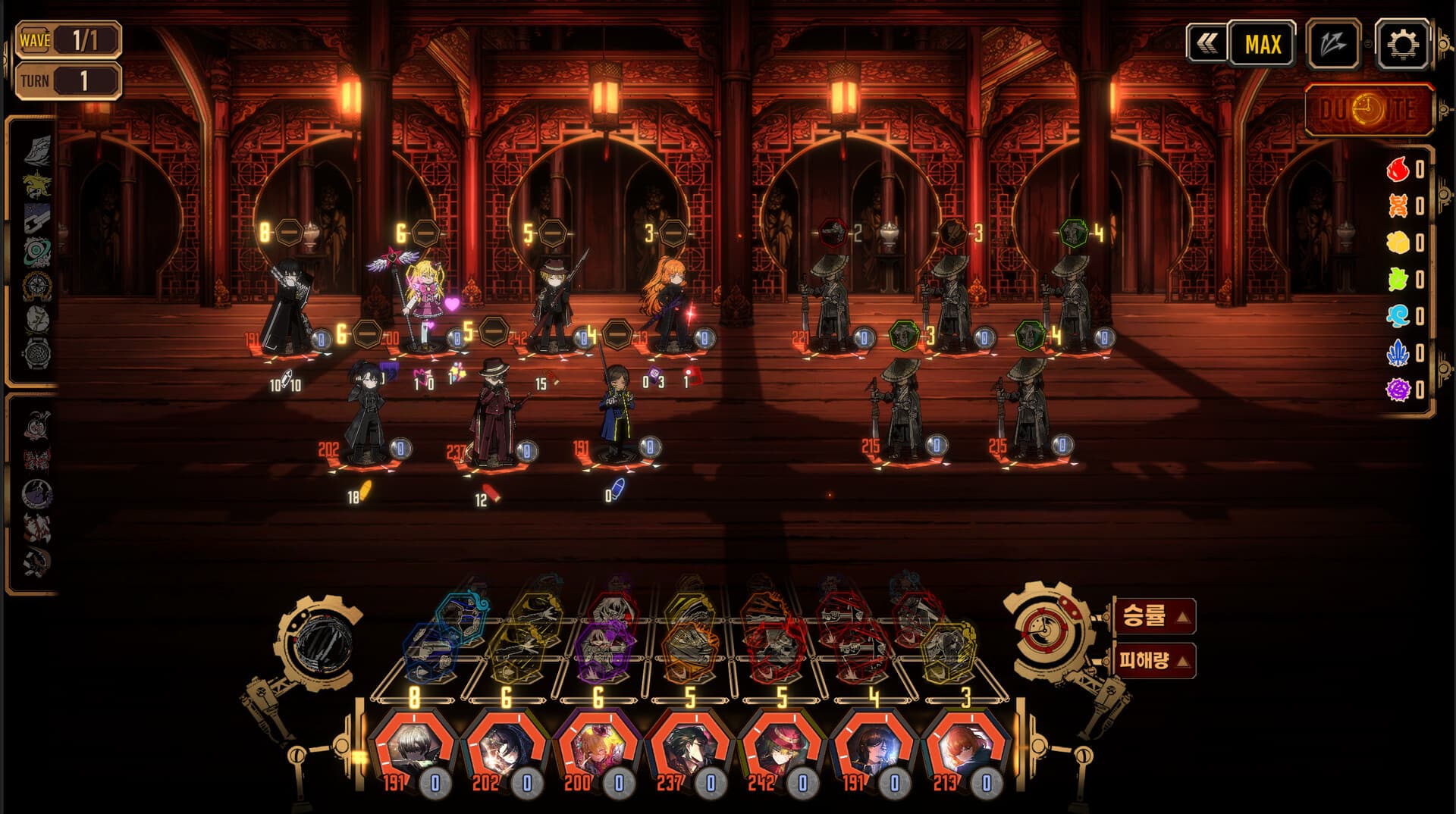
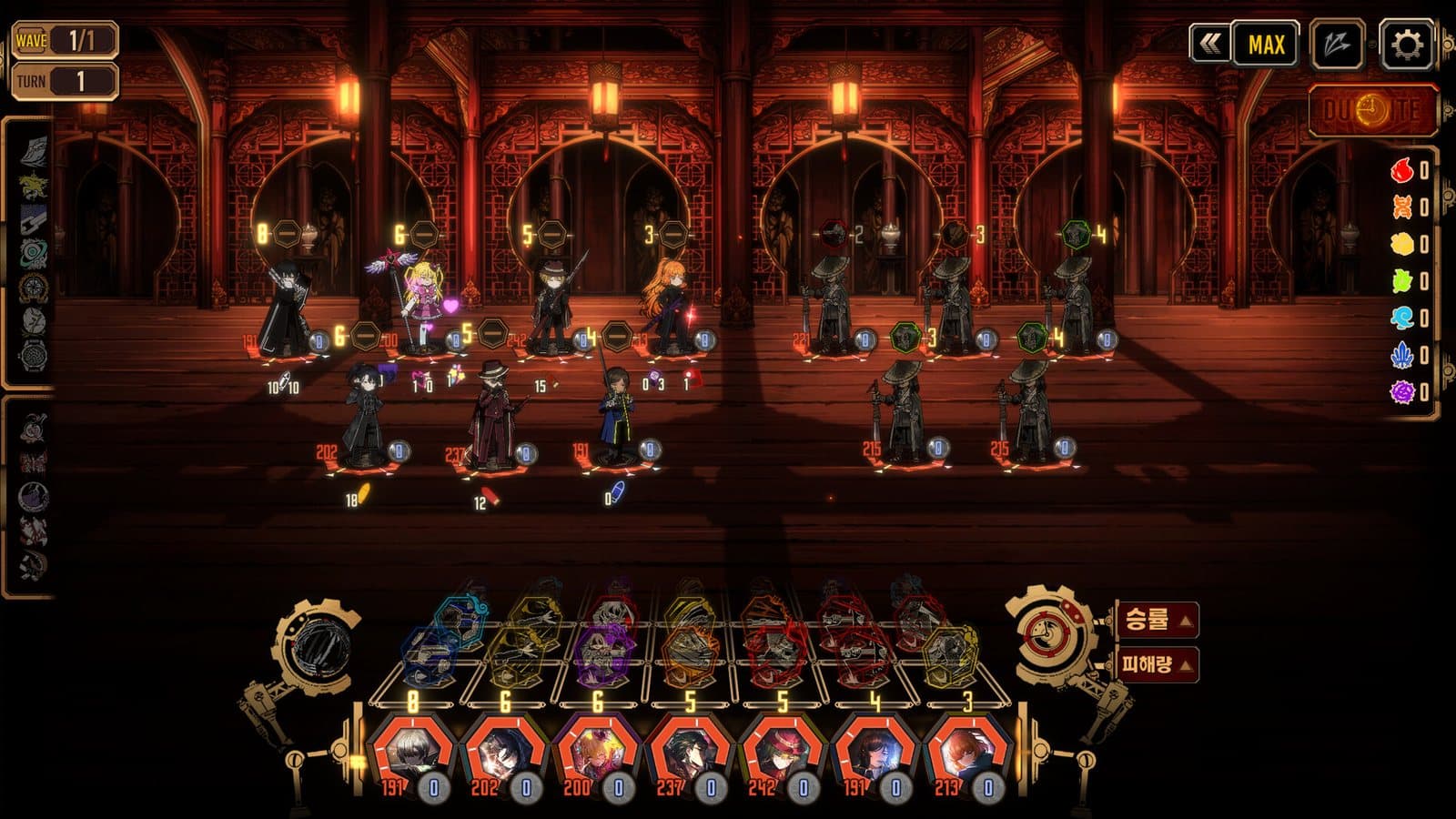
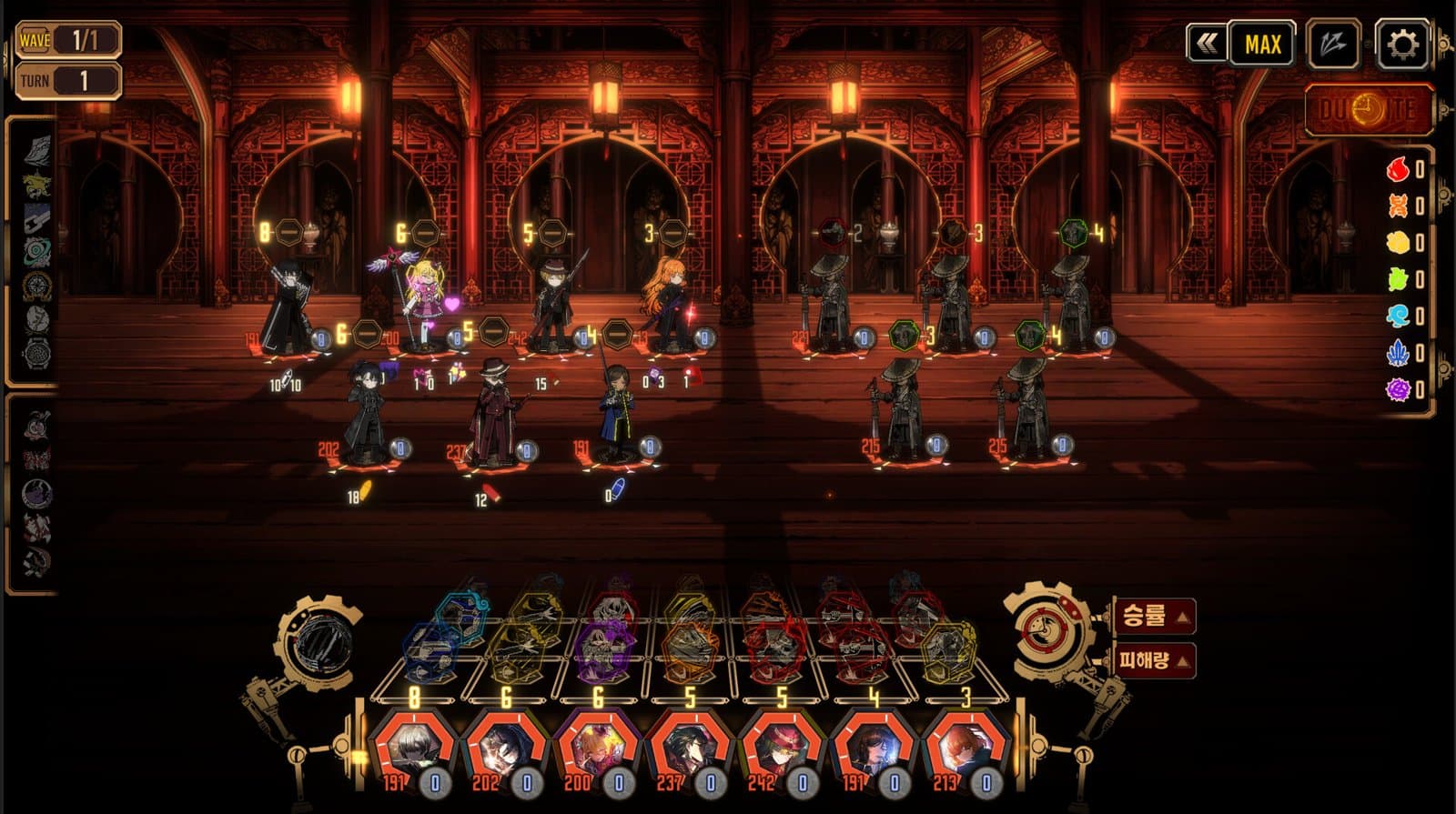
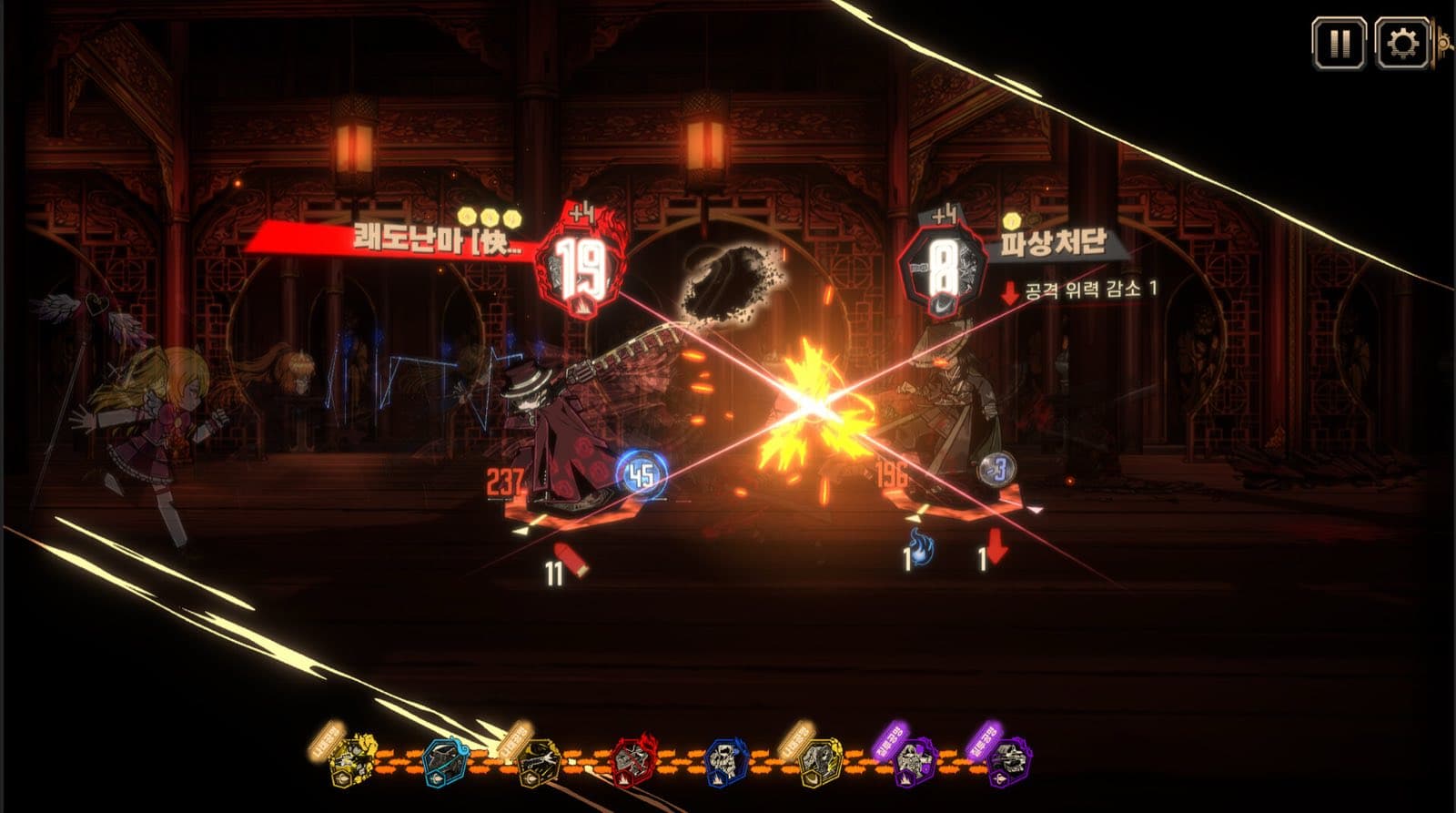
Every turn, each Sinner draws skill cards from their deck. You assign skills to attack slots on the field. When an enemy targets the same slot your Sinner is in, a Clash triggers.
How clashing works:
- Each skill has a Clash Power value (shown as a number or range).
- The higher total rolled power wins the clash.
- The winner deals their full damage to the opponent. The loser's skill is canceled and they take damage.
- If your Sinner wins, they survive the enemy attack and deal their skill damage. If they lose, the enemy attack goes through.
This is why team composition matters. You want consistently high clash numbers in your slots so your Sinners win the contested attacks. Skills with wider ranges (like "5 to 15") are more swingy. Skills with tighter high-floor ranges (like "8 to 12") are more reliable for winning clashes.
Coin flips are part of the system. Many skills flip coins to determine the final roll. Heads adds power (through a "coin power" bonus), tails does not. Heads count rises with Sanity, the team-wide resource that fluctuates based on whether your Sinners win or lose clashes. Winning more = higher Sanity = more coin flips landing heads = higher average power. This creates a momentum system that rewards strong clash teams.
Status Effects: The Damage Amplifiers
Most strong teams in Limbus Company are built around one or two status effects applied by multiple Sinners simultaneously. The main effects are:
| Status Effect | How it works |
|---|---|
| Bleed | Deals damage equal to a multiple of Bleed stacks at the end of turn |
| Burn | Deals damage equal to Burn stacks at the end of turn, then reduces stack count |
| Tremor | Stacks on enemies and explodes when triggered by specific skills |
| Rupture | Amplifies all damage taken based on stack count when at max |
| Sinking | Triggers damage on the enemy's next skill use |
| Poise | A self-buff that increases coin power, so your Sinner's skills hit harder |
| Haste | Increases the speed of which a Sinner draws their turn |
The key to advanced play is pairing multiple Sinners who apply and amplify the same status. A three-Sinner Bleed team stacks Bleed so fast that enemies die from the end-of-turn damage rather than from clash damage, which largely bypasses enemy defense scaling.
The Limbus Company tier list shows which IDs are the strongest current picks for each status theme.
E.G.O.: Your Ultimate Abilities
Each Sinner has access to E.G.O. abilities: powerful, costly skills that represent their deepest psychological resources. E.G.O. comes in several tiers (Zayin, Teth, He, Waw, Aleph in ascending power), and each one costs a specific combination of Sin resources to use.
Sin resources (Wrath, Lust, Sloth, Gluttony, Gloom, Pride, Envy) are generated by using corresponding skill types. Skills with a Wrath affinity generate Wrath resource, and so on. You accumulate these resources passively while playing.
Practical E.G.O. usage tips:
- Save E.G.O. for boss phases and dangerous turns, not on basic enemies.
- Do not use high-tier E.G.O. (Waw or Aleph) too often early in a fight. They cause Corrosion, a condition where the Sinner briefly goes out of control and may attack allies.
- Zayin and Teth tier E.G.O. are spammable and have no Corrosion risk. Use them freely.
- Match your E.G.O. to the Sin resources your team naturally generates. A team built around Wrath and Lust skills should equip E.G.O. that costs those resources.
Uptying and Leveling Your Sinners
Every ID has a Uptie level (1 through 4) that unlocks higher passive tiers and improves skill scaling. The currency for Uptying is Threads and Shards, earned through daily Luxcavation runs.
Priority order for resource spending:
- Uptie your starting ID for your main team to Tier 3 first. Tier 4 is a big jump but Tier 3 is where most IDs become fully usable.
- Level all Sinners evenly (use Dungeon resources rather than spending Lunacy on LevelUp items).
- Uptie new rare IDs when you acquire them, prioritizing whichever fills a role your current team lacks.
How to Progress Through the Game
Limbus Company's content structure:
- Main Story (Cantos): The primary content, fully free, divided into chapters called Cantos. Progress at your own pace. Story fights are not the hardest content.
- Luxcavation: Daily missions that drop XP luxcavation for leveling Sinners and Thread for Uptying. Run these every day.
- Mirror Dungeon: A roguelike mode that runs weekly. It provides the bulk of your weekly resource income including Lunacy (the free gacha currency). Always complete your weekly Mirror Dungeon run.
- Refraction Railway: A harder endgame challenge with permanent rewards that tests optimized builds.
- Intervallo (Side Stories): Narrative side content, some of which is limited-time. Check for active Intervallos when you log in.
F2P Tips and the Gacha System
Limbus Company is one of the most F2P-friendly gacha games available, for two reasons:
- You start with all 12 Sinners. You are never locked out of content for missing a character.
- Weekly Lunacy from Mirror Dungeon provides a consistent, meaningful free-pull income without daily login pressure.
The gacha system (called the "Extraction" system) lets you pull for limited and standard IDs:
- Pity is guaranteed at 30 pulls for an Uptie-ready rare ID. This is much lower than most gacha games.
- Battlepass IDs are available through the monthly Season Pass, which also offers a permanent "Growth Pass" version at a discounted price for players who want some premium IDs without the full sub.
- F2P players can complete all story content with base IDs and a few lucky pulls. Rare IDs increase comfort and speed, not access.
Save your Lunacy for IDs that fill genuine roster gaps rather than chasing every banner. Identify which status-effect theme your team is missing and pull toward that, not just whatever is currently featured.
Quick-Start Checklist for New Players
- Complete the tutorial and Canto 1 to unlock Mirror Dungeon and Luxcavation.
- Run daily Luxcavation and spend the resources on leveling and Uptying your Sinners.
- Complete Mirror Dungeon every week for Lunacy and upgrade materials.
- Pick one status theme (Bleed, Burn, or Tremor are the easiest to build around early) and focus Uptie resources there.
- Claim E.G.O. gifts from events and the Battlepass track for free powerful abilities.
- Check the Limbus Company tier list to understand the current ID meta before spending Lunacy on banners.
Combat Tips for the First Few Cantos
- Always target the enemy that will win the clash before your Sinners without your input. Uncontested clashes where the enemy rolls high and you do not react mean damage you could have avoided.
- Spread your best-clash-power Sinners so they cover all four combat slots. Do not put three weak Sinners in one slot while leaving another slot with nobody to cover it.
- Use E.G.O. skills defensively when a Sinner's HP drops below 30 percent. E.G.O. gives temporary invincibility or defense windows on many Sinners.
- Sanity above 45 is the target. Below that, coin flips become unreliable and clash losses spiral. If Sanity drops, win a few easy clashes to recover it before the big fight phases.
Where to Go Next
Limbus Company has a notoriously deep community for theory-crafting, and Project Moon's storytelling has earned it a dedicated audience. Once you finish Canto 2 or 3 and have the core mechanics down:
- Explore the roguelike Mirror Dungeon builds (the community calls these "run comps").
- Start looking at Refraction Railway once your IDs are mostly Tier 3.
- Keep an eye on limited Intervallo events for free rare IDs and unique story content.
The hardest part of Limbus Company is the first three hours before the clash system makes intuitive sense. Push through, win your first stagger, and it gets considerably more enjoyable from there.