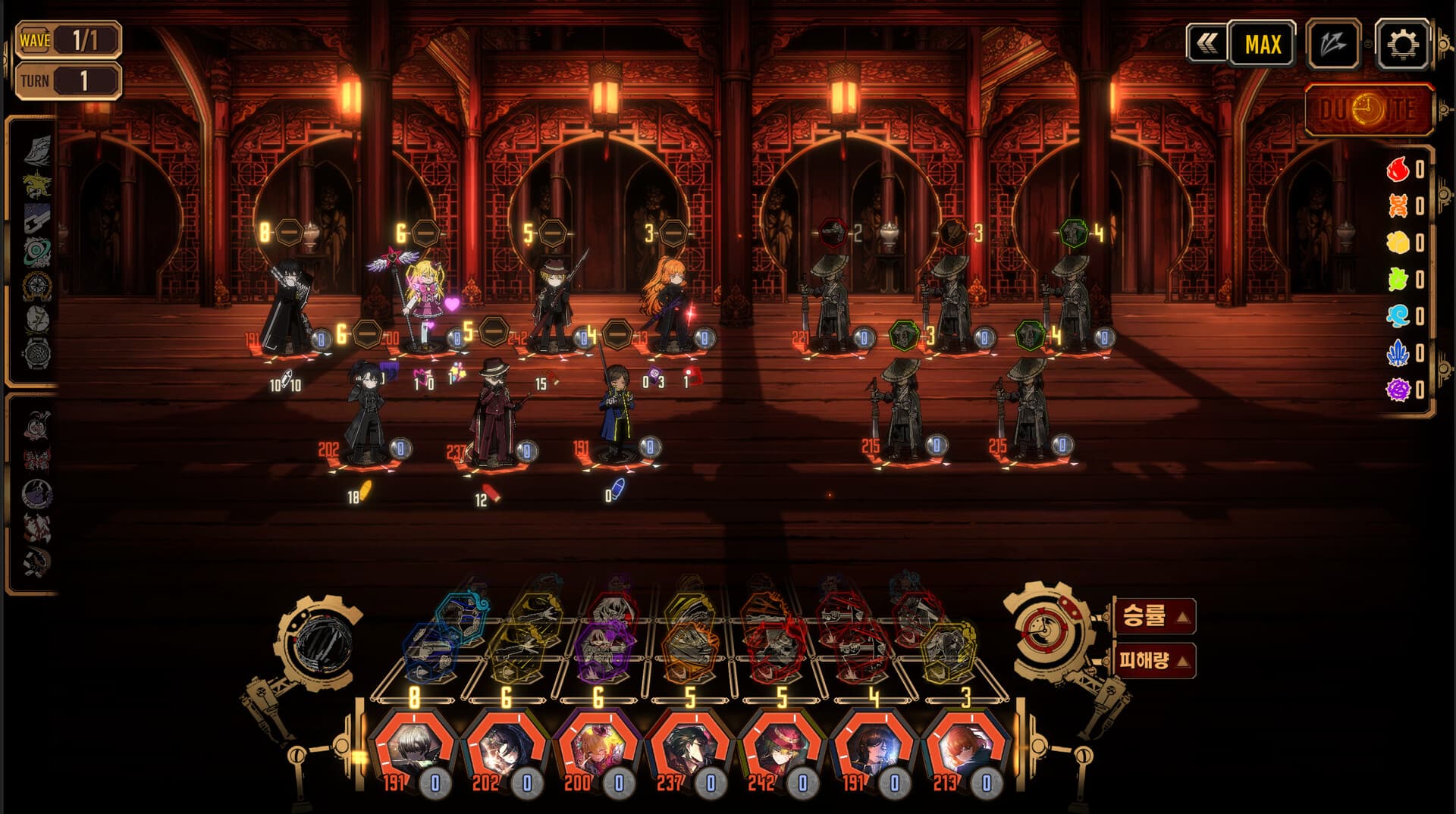
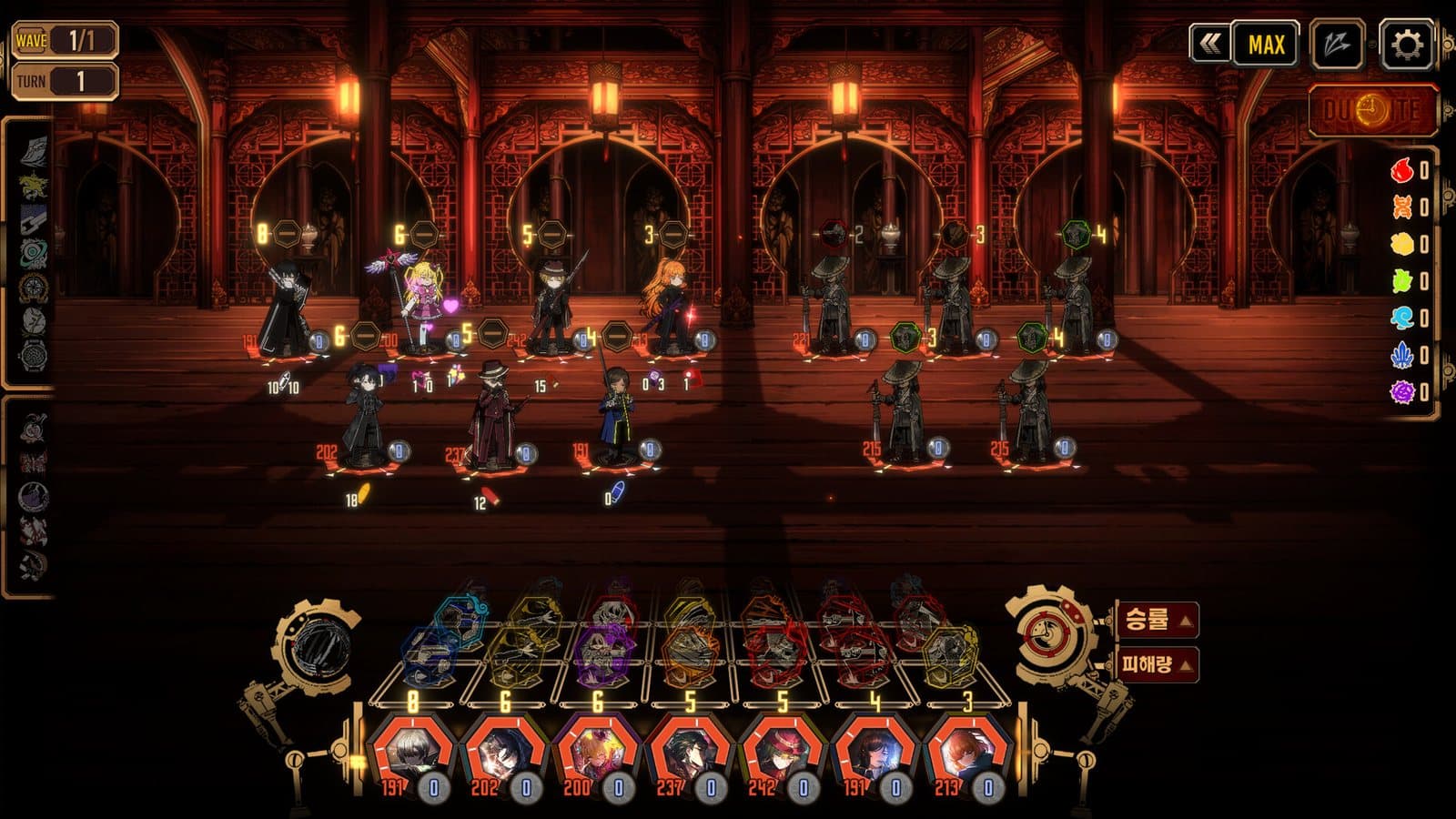
Commit to one status. That is the entire secret of Limbus Company team building, and it is why a focused squad of mid-rarity Identities beats a random pile of your shiniest pulls every time. Every seat should either apply your chosen status ailment or get stronger because it is stacked. So the real question is not "who is my best Identity," it is "which status engine do I pour my roster into."
This list ranks those engines. Not individual Identities, the archetypes, because the archetype is the durable decision and the specific pieces are just this season's flavor of it. Because the Dispenser makes Limbus effectively pity-free, you can target the pieces an archetype needs instead of praying at a banner, which changes how you should read a tier list: buildability matters almost as much as ceiling. Here is where each engine stands as Season 8 approaches.
The tiers at a glance
| Archetype | Tier | What it does | Ease of building |
|---|---|---|---|
| Rupture | S | Stacks a counter that detonates for escalating damage every hit | Moderate; wants a premium enabler |
| Bleed | S | Damage on the enemy's own turn, hits hard without perfect speed control | Easy; pieces are widely accessible |
| Sinking | A | Grinds enemies down with Sinking stacks plus strong control | Moderate; recently revived |
| Poise | A | Ramps the team's own power turn over turn, then cashes out | Moderate |
| Tremor | B | Builds Tremor, then bursts it all at once | Moderate |
| Burn | B | Steady damage-over-time that ignores most defensive play | Easy |
| Charge | B | Front-loads a resource for huge single-target windows | Niche |
Every one of these clears the game. Tiering here is about ceiling, consistency, and how painful assembly is, not "can it beat the story." If you are brand new, read the team-building fundamentals first, then come back here to pick a lane.
S tier: Rupture, the meta's center of gravity
Rupture works by stamping a stack of "Rupture" on the enemy that gets consumed for bonus damage every time they are hit, and then re-applying more than you spend, so the count snowballs and the fight ends in a landslide. It has sat at the top of the tier list for a long stretch and still does.
The current version of the archetype leans on Mao Branch pieces as the engine rather than one fragile enabler, with a flagship Faust Identity defining the modern Rupture core and a Yi Sang carry doing the heavy detonation. Round it out with Rupture appliers like Outis and Gregor and you have a team that ramps fast and holds up in the deepest Mirror Dungeon floors. Its only real ask is that you land one strong enabler; once you do, nothing in the game reads as harder than "manageable."
S tier: Bleed, the archetype that just works
If Rupture is the ceiling, Bleed is the floor you actually want to live on. Bleed deals damage when the enemy acts, so it punishes the opponent for doing anything, and it does not demand the tight speed-tuning that the flashier engines want. That forgiveness is why it belongs in S: it hits hard, it is hard to play badly, and its pieces are some of the easiest in the game to assemble.
You build it by mixing Bloodfiend and Kurokumo Identities with N Corp units as backup damage, anchored by whichever Manager-tier Bleed applier you have. Because so many of those pieces come cheaply, through the Dispenser or the tickets the game hands out around anniversaries and season openers, Bleed is the archetype to recommend to anyone who does not already have a premium Rupture enabler. It is the answer to "I want a team that clears endgame without a spreadsheet."
A tier: Sinking and Poise, the grinders
Sinking buries enemies under stacks that bleed them down while its supports layer on control, and it spent a while fighting an uphill battle because certain bosses resist the status outright. The arrival of new House of Spiders pieces pulled it back into contention, and against anything that does not hard-counter it, a Sinking team is a slow, safe, deeply consistent clear. It sits in A rather than S purely because of those resistance matchups; where it works, it works beautifully.
Poise is the archetype for players who like to snowball their own side rather than the enemy's debuffs. It stacks Poise on your Sinners, raising their damage turn after turn, then cashes the whole stack out in a burst. It rewards surviving the early turns and punishes getting rushed, so it pairs naturally with a defensive front and clean clash wins. Reliable, satisfying, a hair below the S engines on raw ceiling.
B tier: Tremor, Burn, and Charge, the specialists
None of these are bad. They are situational, or they ask for more setup than their payoff strictly justifies against the top two.
- Tremor builds a Tremor count and then converts it into one big synchronized burst. When the timing lines up it is spectacular, and it is a genuinely strong pick into single fat health bars. It just wants more orchestration than Bleed to reach the same place.
- Burn is the quiet workhorse: stack Burn, let it tick, ignore most of what the enemy tries to do defensively. It is easy to build and never embarrassing, but its damage curve is gentler than the snowball archetypes, so it lands as a comfortable B.
- Charge front-loads a resource on your Sinners for enormous single-target windows, often through Sinclair and N Corp pieces. Terrific when the content is one dangerous target; less flexible when it is a crowd, which keeps it niche.
How to actually use this
Pick your engine by what you can build, not only by the tier letter. The correct move is almost always:
- If you already own a premium Rupture enabler, build Rupture and stop overthinking.
- If you do not, build Bleed. It is cheap, forgiving, and clears everything.
- Keep a second archetype in your back pocket for the Refraction Railway and boss fights that resist your main status, and let the Dispenser fill the gaps rather than the gacha.
Season 8 "STÚDĬUM PUNCTUM" and Canto X arrive September 17 with a new debut Identity and E.G.O, and openers like that usually nudge the archetype balance. Watch the Limbus banner schedule for the confirmed rate-up, and treat any pre-launch archetype hype as a rumor until the kit is in your hands. For the mechanics under all of this, the status effects and afflictions guide is the companion piece; this list just tells you which of those effects to build your whole bus around.