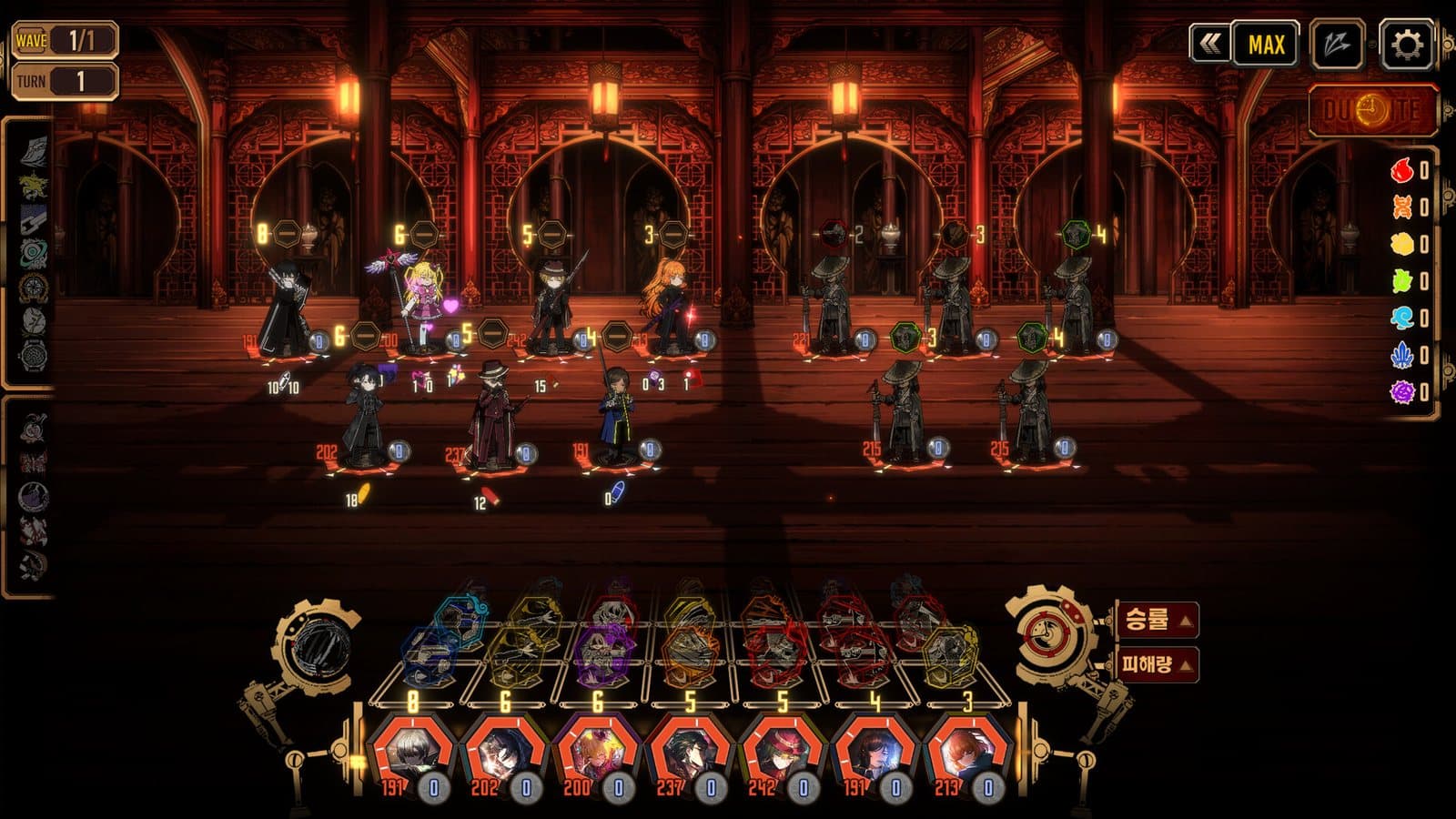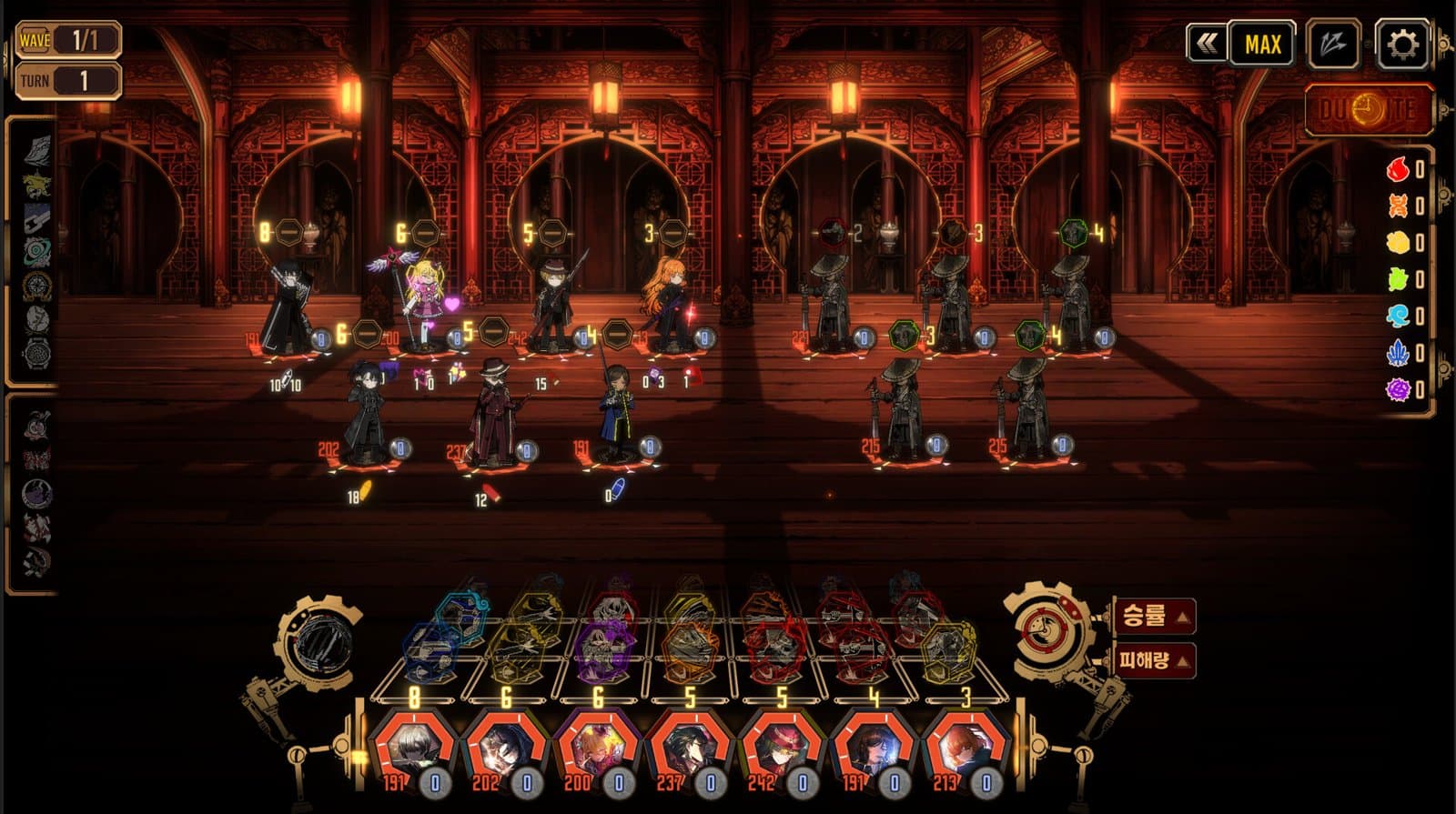
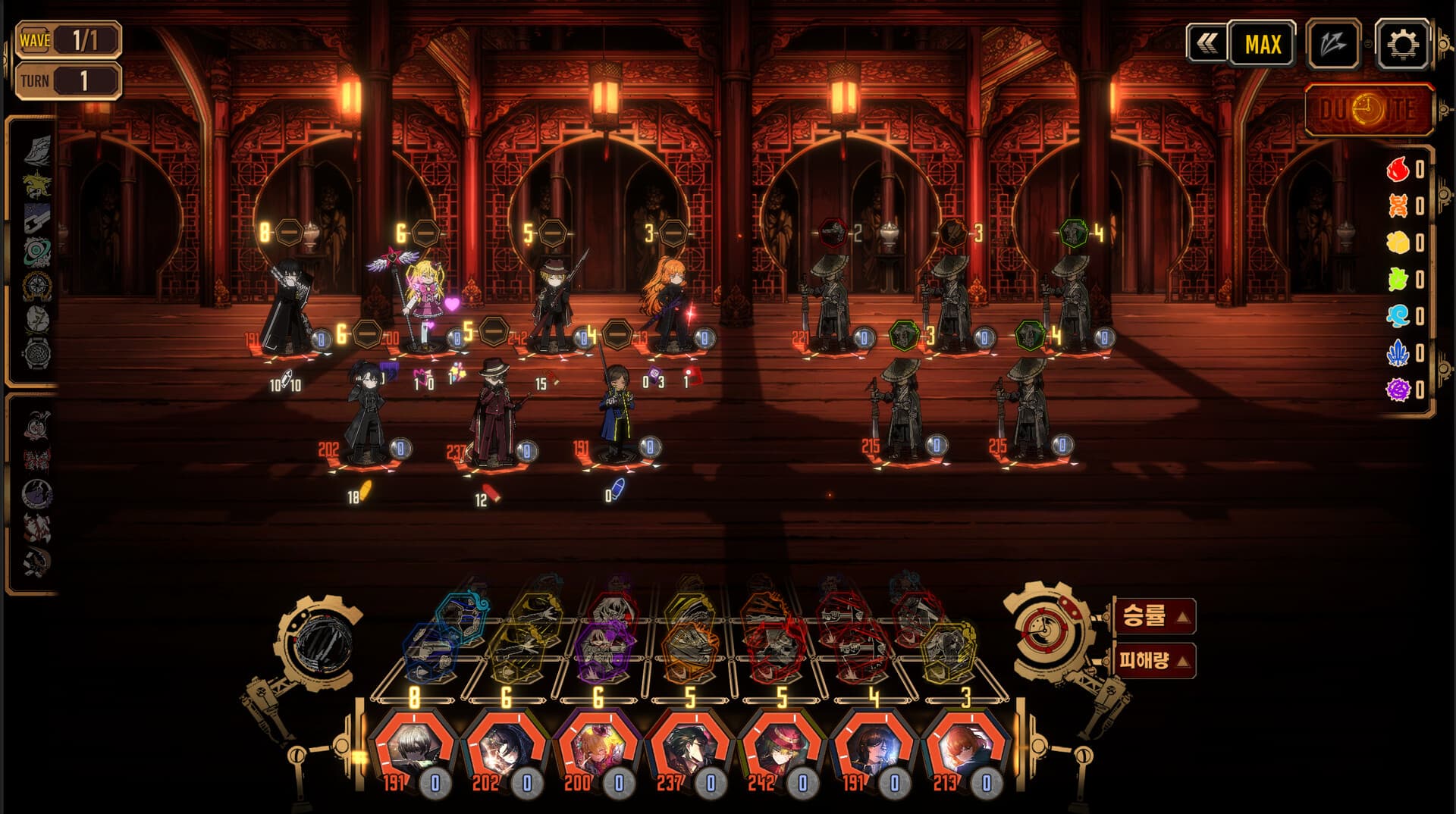
Most people bounce off Limbus Company in the first hour for the same reason: the combat throws numbers, coins, and dragged lines at you with almost no explanation, and it looks like you are supposed to already understand it. You are not. Once three ideas click into place, the whole thing turns from noise into one of the most satisfying turn-based systems in any gacha. Those ideas are clashes, coins, and Sanity, and they are all connected.
The one-paragraph version
Each turn, your Sinners generate skills you drag onto enemy targets. When your skill and an enemy skill point at each other, they clash: both sides roll a power number, the higher roll wins, and the loser loses a coin and gets staggered. Coins are what generate that power, and whether a coin helps you depends on Sanity. High Sanity means your coins land heads and hit hard. Low Sanity means they flip tails and fizzle. That is the game. Everything else is detail.
Coins: the source of every number
Every skill in Limbus is made of one or more coins. A skill's power is its base value plus a bonus for each coin that lands heads. Tails adds nothing (and a few negative-coin skills actually subtract on heads, but treat that as the exception).
So a three-coin skill is not a fixed hit. It is a base value with up to three separate flips stacked on top, and a good roll can nearly double a bad one. This is why two identical Sinners can feel completely different in a fight: one is flipping heads, the other is not.
Sanity: the stat that decides your flips
Here is the formula that makes Limbus make sense, and it is refreshingly simple:
Heads chance = 50% + Sanity
Sanity (SP) runs from -45 to +45, so your coin's heads chance runs from 5% to 95%. At 0 Sanity, every coin is a fair 50/50. A Sinner sitting at +27 SP flips heads 77% of the time. One dragged down to -33 SP flips heads only 17% of the time, and watches its big skills whiff.
Sanity is not a passive number. Winning clashes and landing hits pushes it up; losing clashes, taking hits, and watching allies die drags it down. That feedback loop is the real game underneath the game. A team that is winning snowballs into higher Sanity and harder hits; a team that is losing spirals as its coins start failing. Managing that curve, and knowing which Sinners to protect so the whole line does not tip into negative Sanity, is most of what separates a smooth clear from a wipe.
Clashes: how a hit is decided
When your skill and an enemy skill target each other, they clash, and it plays out coin by coin:
- Both sides reveal their rolled power (base plus heads bonuses).
- The higher number wins that exchange. The loser loses one coin and takes no damage from it.
- The process repeats with the remaining coins until one side runs out.
- Whoever still has coins left lands their remaining hits on the loser, who is now staggered and open.
Win a clash and you both block the enemy's skill and land your own. That is the core of Limbus defense: you do not have a block button, you out-clash the incoming attack. A well-timed clash win can shut down an enemy's most dangerous skill and punish it in the same motion.
One-sided attacks: when to skip the clash
Not every attack has to clash. If you point a skill at an enemy skill that is not aimed back at you, or at a target with nothing queued, it becomes a one-sided attack: your coins flip, your damage lands, no contest.
The strategic layer is choosing. You have limited skills and speed each turn, so every clash you pick is a skill you are not spending elsewhere. Sometimes the right play is to clash down the enemy's scariest skill even at a coin disadvantage, because eating that hit unclashed would cripple a Sinner. Other times you leave a weak enemy attack unclashed, take the small hit, and spend your skills freely bursting the target you actually want dead. Reading which enemy skills are worth clashing and which to ignore is the skill ceiling of the whole game.
Speed and skill slots: the turn's opening moves
At the start of each turn, every Sinner rolls a Speed value that sets turn order and reach. Faster Sinners act first and can redirect to target more enemy skills, which means Speed is not just about going early; it is about who gets to choose the clashes. High Speed lets you assign your Sinners onto the enemy's dangerous skills before slow allies get stuck defending them.
You are essentially assigning a limited pool of skill slots across the enemy's threats and your own targets every turn. More Sinners on the field means more slots to work with, which is why keeping the whole line alive compounds: it is more Sanity, more coins, and more clash coverage all at once.
Sin affinities: the resistance layer
Every skill and every attack carries one of the seven sins: Wrath, Lust, Sloth, Gluttony, Gloom, Pride, and Envy. Enemies resist or take extra damage from specific sins on a scale from Fatal (they take more) to Ineffective (they take less).
You do not need to memorize a chart to start, but it explains a real chunk of your damage variance. Matching a Fatal affinity can swing a fight, and it is a big reason team building in Limbus is about covering a spread of sins rather than stacking one damage type. Check the enemy's affinities before a hard fight and lead with the sins they are weak to.
E.G.O: spending Sanity for power
E.G.O skills are your heavy hitters and utility tools, and they cost Sanity plus resources to fire. That cost ties everything back together: the same Sanity that makes your coins land is also the fuel for your biggest plays, so you are constantly deciding whether to bank Sanity for reliable clashes or spend it on a fight-ending E.G.O. Panic, the state a Sinner enters when Sanity bottoms out under pressure, is what you are trying to avoid on the way down.
Putting it together
- Coins turn skills into a range of outcomes, not fixed hits.
- Sanity decides how those coins flip, and it snowballs in whichever direction the fight is going.
- Clashes are your defense and offense at once; win them by rolling higher.
- One-sided attacks are a choice about where to spend limited skills.
- Speed decides who gets to pick the clashes, and sin affinities decide how hard they land.
Once that loop is in your hands, Limbus stops feeling random and starts feeling like a puzzle you are actually solving each turn. From here, take it into practice: the beginners guide covers roster and E.G.O basics, the Mirror Dungeon guide is where you will grind these skills into muscle memory, and the tier list points you toward the identities that clash hardest.