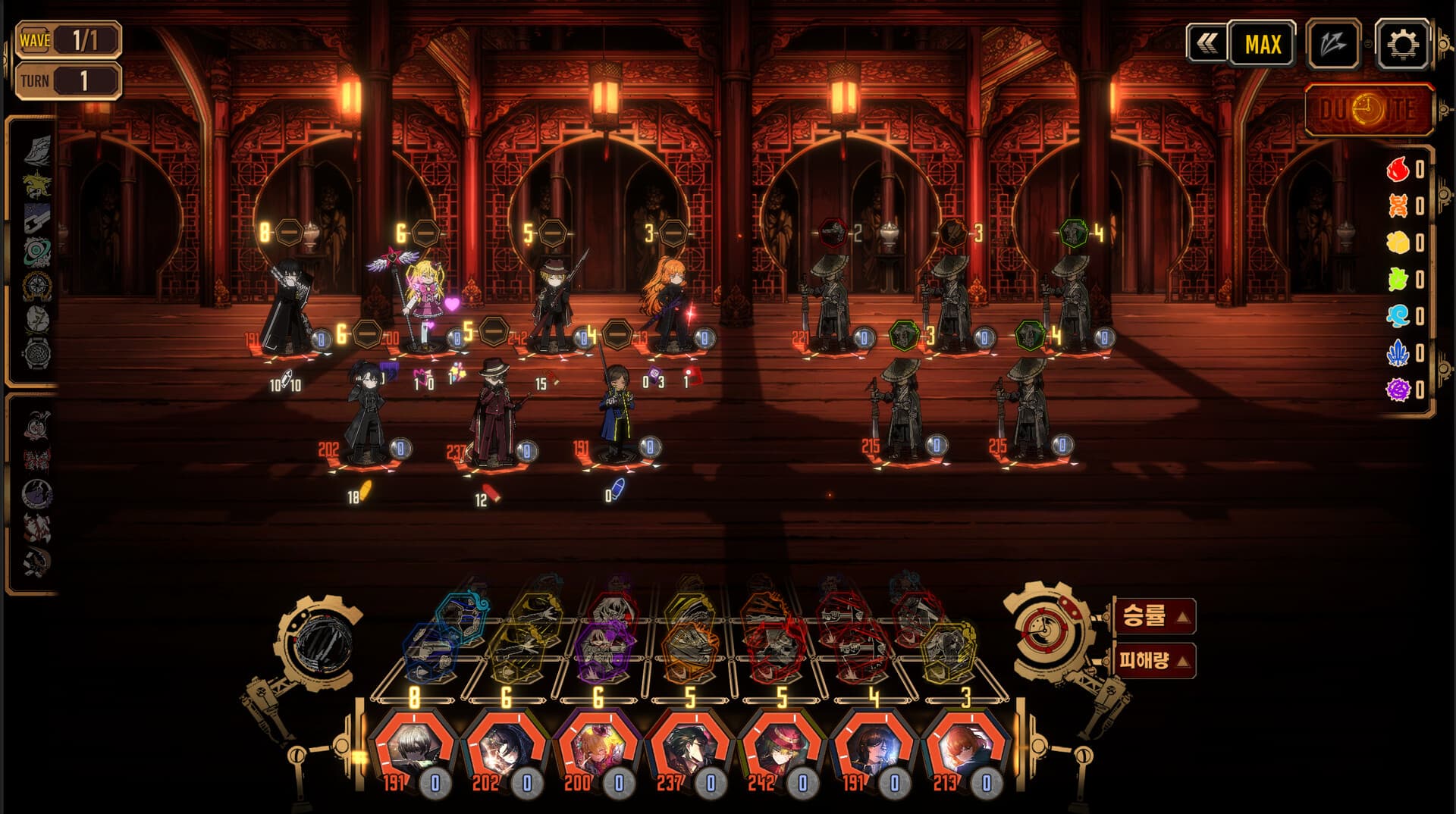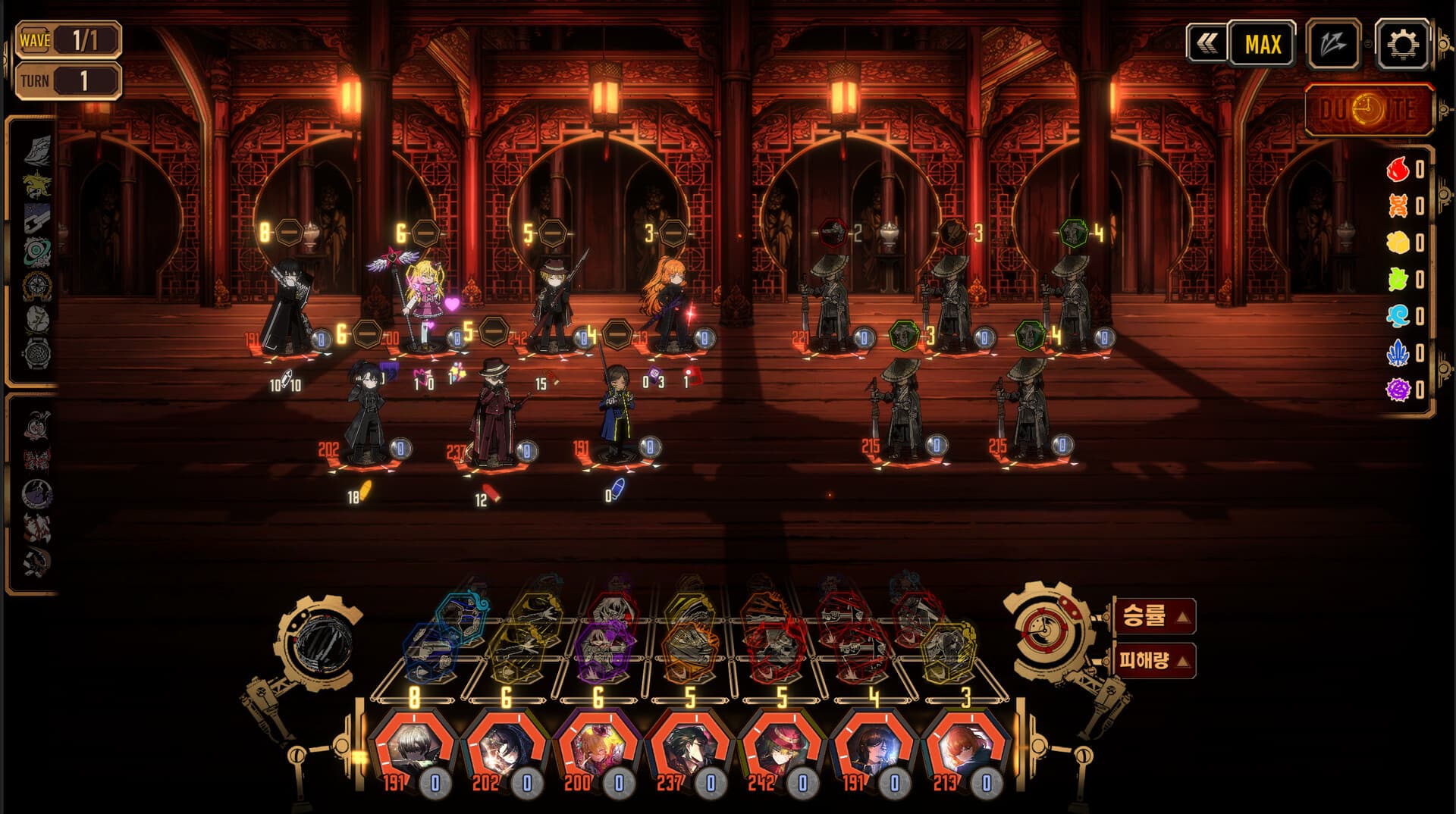
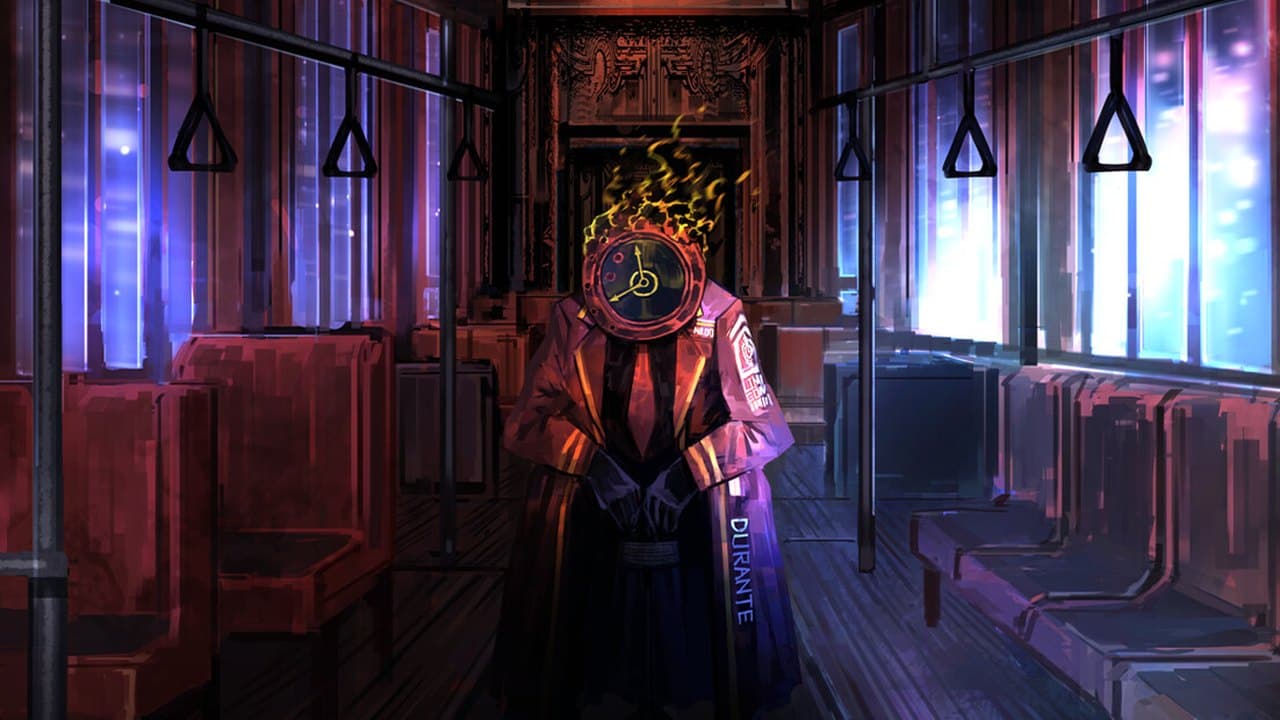
E.G.O. is the moment Limbus Company stops being a puzzle about clashes and starts being a game about nerve. Your Sinner spends Sanity and a fistful of Sin resources to break the rules of the turn: an attack that ignores the clash, a burst of Poise, a full-screen status dump. Used on the right turn it wins fights outright. Used on the wrong one it can send your whole team berserk. Knowing the difference is the entire skill.
This is what the system is doing under the hood, and how to fire without setting yourself on fire.
The two costs of every E.G.O.
Activating an E.G.O. skill spends two things at once:
- Sanity (SP). Every E.G.O. has a flat Sanity cost. Firing it drains that Sinner's SP, which is the resource that matters for the corrosion rule below.
- Sin resources. E.G.O. skills require a bundle of the seven Sins (Wrath, Lust, Sloth, Gluttony, Gloom, Pride, Envy). You do not carry these into a fight; you generate them during combat. Winning a clash or landing a skill of a given affinity produces one resource of that Sin. If you cannot pay the Sin cost, the E.G.O. is greyed out.
That second point is the one new players miss: you build toward an E.G.O. by playing the matching colors first. A Sinner leaning on Gloom and Pride skills is charging their Gloom/Pride E.G.O. by simply fighting. Plan your skill selection two turns ahead and the resource is ready when you want it.
Sin affinity cuts both ways
E.G.O. also has an affinity that changes how much damage the user takes while the E.G.O. is "worn." Each Sinner has resistances (Fatal, Ineffective, Normal, Endure) across the seven Sins, and equipping an E.G.O. can shift what you are weak to. Fire a Lust-affinity E.G.O. on a Sinner who is Fatal to Lust and you are asking to get deleted on the counter. Match your E.G.O. choices to the enemy's damage types, not just your own damage output.
E.G.O. rarities: ZAYIN to ALEPH
E.G.O. use the Abnormality grade scale, and the tier is a rough proxy for both power and Sanity cost:
| Grade | Role | Rough cost |
|---|---|---|
| ZAYIN | Cheap utility, early staples, small effects | Low Sanity |
| TETH | Reliable workhorse damage and status application | Low to mid |
| HE | Stronger effects, real turn swings | Mid |
| WAW | Heavy hitters and key status enablers | High |
| ALEPH | Fight-ending nukes and signature mechanics | Highest |
Higher grade does not mean "always better." A ZAYIN E.G.O. that pays for itself and keeps your Sanity healthy is often more useful across a full Mirror Dungeon run than an ALEPH you can fire once before your team destabilizes.
Corrosion: the -45 rule
Here is the mechanic that scares people, stated plainly. Sanity runs from +45 to -45. When a Sinner's SP is in the negatives, every E.G.O. activation carries a corrosion chance (shown as a percentage under the Sin requirement). And there is a hard line: if using an E.G.O. drops that Sinner's SP to -45 or lower, corrosion is guaranteed.
A corroded Sinner goes out of control. All of their attacks become E.G.O. attacks, they are often stronger than the normal version, but they target randomly, including your own allies. That is the risk: a desperate E.G.O. spam at low Sanity can flip a Sinner into a berserk liability that shreds your own line.
Two ways to read that:
- Defensively: keep Sanity above zero on the Sinners you cannot afford to lose control of. Win clashes (winning raises SP, losing lowers it), and lean on skills and Identities that restore Sanity between engagements.
- Offensively: against a boss you are about to kill, a deliberate corrosion can be the play. If the fight ends this turn, an uncontrolled ALEPH E.G.O. hitting for maximum is a feature, not a bug. Advanced players intentionally dip Sinners into corrosion to close out damage checks.
When to actually fire
A simple decision checklist before you press the button:
- Can I pay it without going below -45 by accident? If the Sanity cost tips a low-SP Sinner over the edge and you do not want corrosion, hold.
- Does the affinity leave me exposed? Check the enemy's next attack type against the E.G.O.'s affinity resistances.
- Is this the turn it matters? E.G.O. burst is best spent breaking a staggered enemy or clearing a wave before it acts, not chipping a healthy target you could have out-clashed for free.
- Am I closing the fight? If yes, corrosion risk stops mattering. Empty the tank.
Building around E.G.O.
The teams that abuse E.G.O. well are built to feed it. Stack Sinners whose kit generates the Sin resources their best E.G.O. wants, keep at least one source of Sanity recovery so you are not perpetually flirting with the -45 line, and pick up E.G.O. Gifts in Mirror Dungeon that lower costs or reward status types you are already stacking. Our team-building guide covers which Identities pair with which E.G.O. affinities.
If you are just starting, do not over-think it: fire your cheap ZAYIN and TETH E.G.O. freely, watch your Sanity bar, and save the expensive ones for the turn a fight actually hangs in the balance. The whole system rewards patience and punishes panic. New to the game entirely? Start with the beginner's guide, then come back here once clashes feel natural. For a wider look at whether the game is worth your time, our Limbus Company review has you covered.