
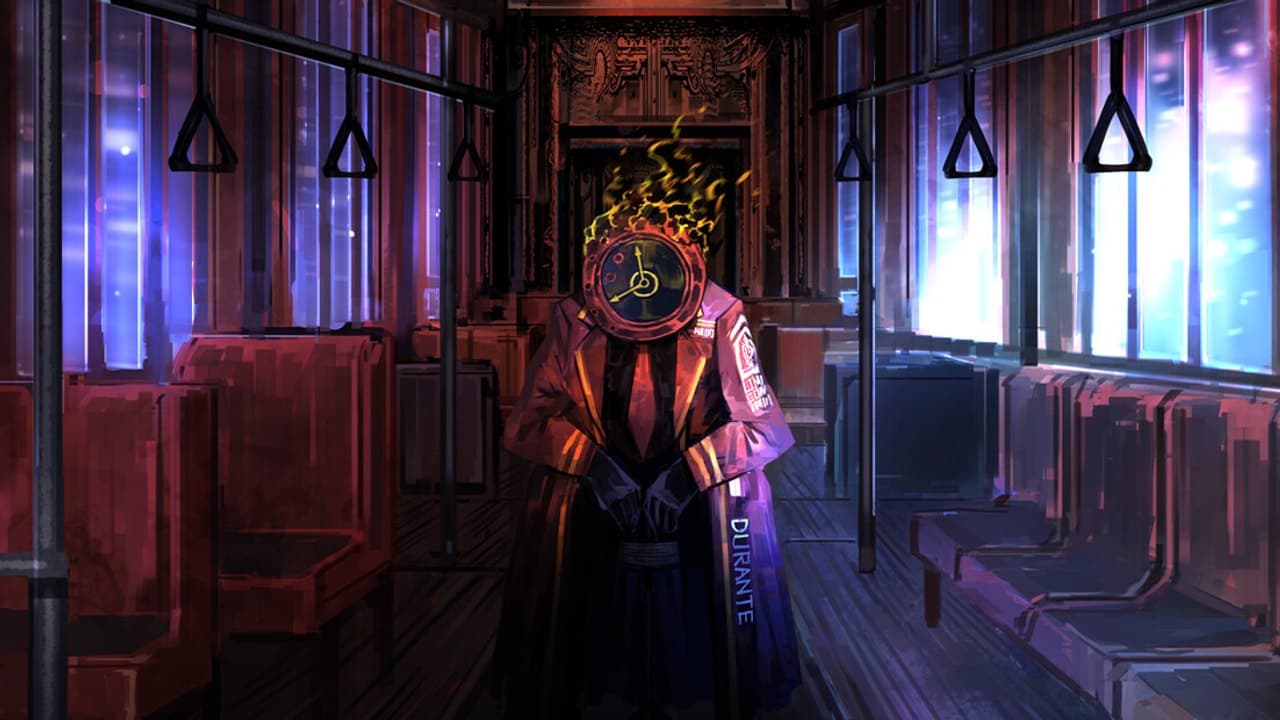
Limbus Company will lose you in the first hour and own you for the next thousand. Project Moon's third game is the least approachable title in this genre and, for the people it clicks with, the most rewarding. It is a turn-based RPG where combat is a duel of dice, a story that riffs on classic literature without ever talking down to you, and a gacha so generous it feels like a mistake. Our score is an 8.2, and the only thing keeping it from higher is that it asks more of a new player than almost anything else on mobile.
Committing? Start with the beginners guide, then learn to farm efficiently with the Mirror Dungeon guide.
The clash system is the whole hook
Combat is deceptively simple to describe and deep to master. Your skills have coin flips weighted by a Sinner's Sanity, and on offense your skill "clashes" against the enemy's, higher roll winning and cancelling theirs. Suddenly a fight is a puzzle of matchups, damage types (Slash, Pierce, Blunt), and affinities, where winning a clash you were supposed to lose can swing an entire encounter.
The roster is a fixed 12 Sinners, and the gacha is not for new characters but for Identities, alternate versions of those 12, and E.G.O., their special skills. That structure is quietly brilliant: you get attached to a tight cast, and every banner is a new way to play someone you already know. Our tier list and banner page track which Identities are worth chasing.
[!NOTE] Do not judge Limbus by its first two Cantos. The systems and the story both open up dramatically a few chapters in, and the game the community loves is not the one the tutorial shows you.
Writing worth the price of admission
Project Moon's reputation is built on storytelling, and Limbus is the studio at full stretch. Each Canto reinterprets a work of classic literature, and the latest, Canto 10, centers on the Sinner Meursault and arrives in 2026. The characters are written like real, damaged people rather than archetypes, the themes are genuinely heavy, and the payoffs land. If you already love Lobotomy Corporation or Library of Ruina, this is essential; if you are new, it stands on its own but rewards the wider lore.
An economy that respects you
Here is the part that stuns people coming from other gacha: Limbus is almost un-greedy. Currency flows freely, pity is forgiving, and a small battle-pass purchase can hand you an entire season's worth of Identities. A free-to-play player can clear all the story and most of the hard content without ever feeling walled by their wallet. Compare it against the field on the cost and pay-to-win ranking and it sits near the top for value.
Where the friction lives
The flaws are real and worth stating plainly. The onboarding is brutal: the UI is dense, the systems are explained poorly early on, and the presentation is extremely text-heavy, so the first few hours can feel like homework. Project Moon's 2026 roadmap is addressing a lot of the quality-of-life pain, but the wall is still there. And the endgame is farming: Mirror Dungeons are a strong roguelike mode, but grinding them and Luxcavation for materials becomes the recurring loop, and it can wear thin.
Who it is for
Play Limbus if you want the best writing in the genre and a combat system unlike anything else, and you are willing to push through a rough opening to get there. Skip it if you want a game that is instantly readable, visually flashy, or light on reading. It is a niche masterpiece: not for everyone, but adored by the people it is for.
The bottom line
Limbus Company is the most demanding game in gacha and one of the most rewarding. The clash system, the literary Cantos, and an economy that actually respects players add up to something special, gated behind a first impression that scares many off. If you make it past the opening, there is nothing else quite like it. 8.2 out of 10.
Ready to enlist? Keep the Limbus Company wiki open, and lean on the beginners guide until the systems click.