If you come to Reverse: 1999 from a hypercarry gacha, the first thing to unlearn is the idea that one great character wins games. Here, the team is the unit. A correctly assembled four-person lineup with a mediocre carry will out-clear a mismatched lineup built around the strongest six-star in the game. The mechanics reward synergy over raw star power, and that is exactly why the meta is fun to build for.
Below are the comps that actually define the current endgame, written as things you can copy. For the underlying systems (Moxie, Ultimates, incantation planning), keep our team building guide open alongside this; here we are naming the teams.
The four jobs every team fills
Almost every strong Reverse: 1999 lineup covers four jobs, though one character often doubles up:
- Main Carry: the character your whole rotation feeds. Their damage type (Reality or Mental) usually decides the team's identity.
- Sub-carry or Enabler: a second damage source or the unit that sets up the carry's payoff, whether that is applying a debuff, generating Moxie, or handing out extra turns.
- Buffer or Debuffer: raw multipliers. Damage-up, damage-taken-up, crit, or an Afflatus advantage the enemy cannot answer.
- Survival: a healer or shielder so a bad round of enemy actions does not end the run.
Two threads tie those jobs together and matter more than any single pick. The first is Afflatus, the Beast to Plant to Star to Mineral to Beast wheel (with Spirit and Intellect neutral). Matching your carry's damage type against an enemy's weakness is free power. The second is the incantation and Moxie economy: every strong team is really a plan for how cards get channeled and when the Ultimate goes off. Get those two right and half the tier list becomes viable.
The Nautika engine (top-end Reality damage)
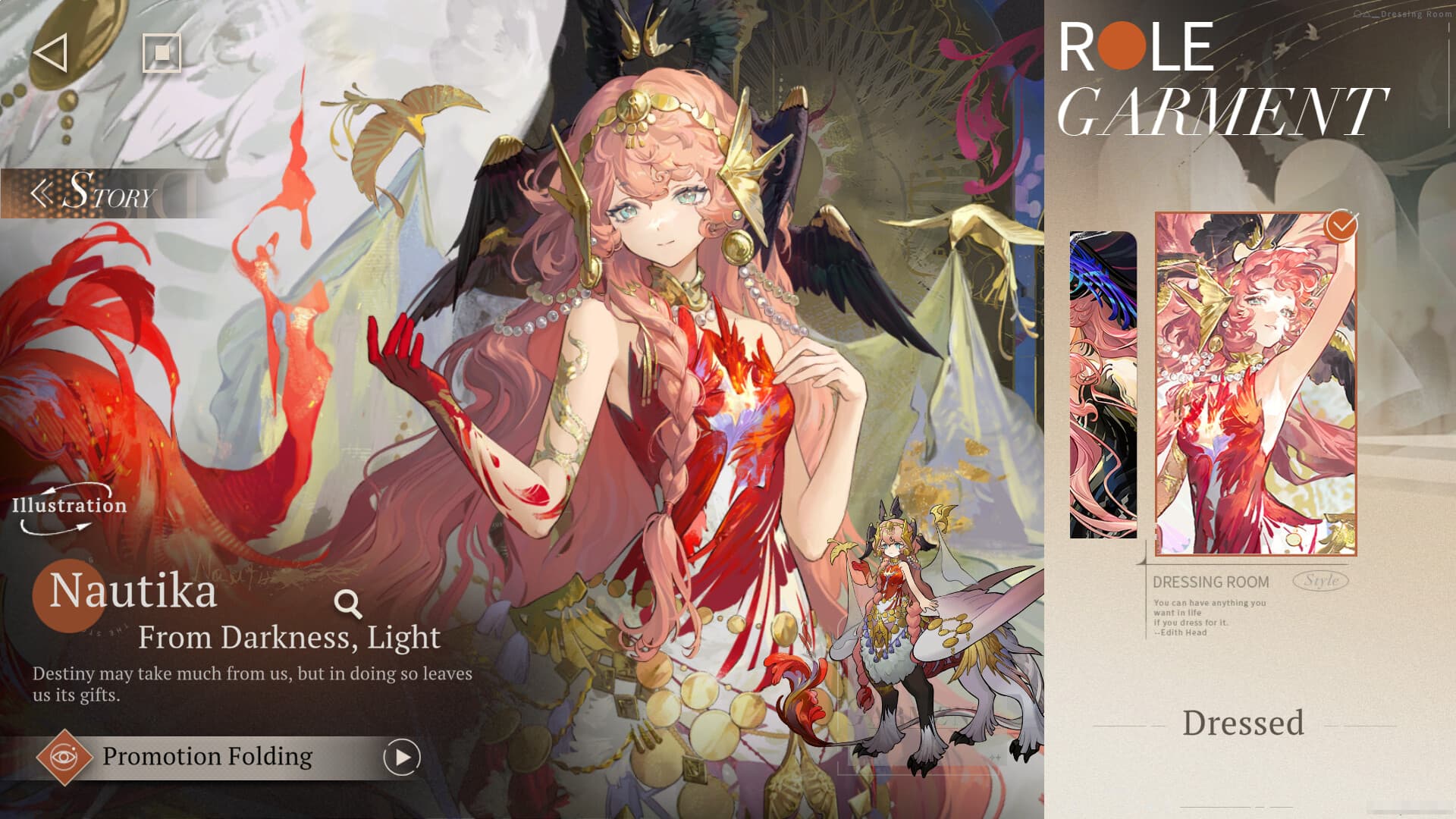
The consensus strongest damage core right now is built around Nautika, whose consistency and ceiling anchor the highest-clearing Reality teams. She wants an enabler that pumps her damage as the fight escalates and a buffer that never lets her turn go to waste.
Meta team: Nautika + Semmelweis + Sentinel + a healer (Vila or Tooth Fairy).
Semmelweis is the classic partner: her buffs scale as HP shifts and she pushes the whole team's output, while Sentinel provides the buffing and control layer that keeps Nautika's rotation clean. Cap it with a strong sustain and you have a lineup that clears the hardest floors of Limbo and Mane's Bulletin without drama.
If you do not own the premium enabler, Nautika still carries a more improvised board: any reliable Reality buffer plus a healer will do, because her personal damage is high enough to cover for a rougher support line.
Spathodea mono-damage burst (Mental)
Spathodea remains a benchmark Mental carry and the poster child for the mono-damage approach: stack the team around a single damage type so every buffer amplifies the same number. She rewards front-loaded burst and a support line that hands her Moxie and damage-taken debuffs to detonate into.
Meta team: Spathodea + Tooth Fairy + a Mental amplifier (Anjo Nala or Kakania) + survival.
Tooth Fairy is the enduring universal buffer that raises the team's damage cap, Anjo Nala or Kakania layers on Mental-flavored amplification and protection, and the survival slot keeps the burst window open. The identity here is focus: everything on the board points at making Spathodea's next big turn as large as possible.
The Extra Actions and Dynamo core
The other pillar of the modern meta is tempo: teams that generate additional turns and Moxie faster than the enemy can respond, sometimes called Extra Actions or Dynamo comps. Carries like Windsong and Lucy thrive here because more turns means more of their high-value incantations.
Meta team: Windsong or Lucy + Flutterpage + a buffer + healer.
Flutterpage is a meta-defining support precisely because she feeds the turn-and-Moxie economy these carries live on. The result is a team that snowballs: each extra action buys tempo, tempo buys more actions, and the fight is decided before the enemy gets a full rotation off. It is the most "engine-like" way to play Reverse: 1999 and a joy once the loop clicks.
The free-to-play team that clears endgame
You do not need a limited six-star to beat the current content. Reverse: 1999 is generous, and its starter and event units stay relevant for a long time. A dependable budget board:
F2P team: Sonetto + a free carry (Windsong is craftable-adjacent through events for many accounts) + a debuffer like Bkornblume or A Knight + Necrologist.
Sonetto is the buffer nearly every new account is handed and she never falls off. A debuffer to soften enemy defenses, a free carry to hold the damage slot, and Necrologist as a low-investment healer will push you through the campaign and into the early endgame floors. For the full list of who is worth building on a budget, our best free characters guide is the shopping list, and the F2P investment priority guide tells you where your Insight materials should actually go first.
Building your own instead of copying
Once you understand the four jobs, you can freelance. Ask three questions of any lineup:
- Does the carry's damage type match the fight's Afflatus weakness, or at least avoid a disadvantage?
- Does someone reliably feed the carry Moxie and a damage buff so their Ultimate lands on schedule?
- Can the team survive one bad enemy turn without folding?
If the answer to all three is yes, the team works, even if it never appears on a tier list. That flexibility is the point. For where each unit currently sits, keep the Reverse: 1999 tier list handy, check the banner schedule before you spend Unilog on a carry, and read the endgame guide when you are ready to push the hardest content these teams are built for.