Team Building in one screen
Winning teams in Reverse: 1999 are not about owning one broken unit. They are about a carry, the enabler that unlocks that carry, and a sustain unit to keep everyone alive, all sharing the right Afflatus and damage type. The single most expensive mistake new players make is pulling a flashy damage dealer and skipping the support that makes it work. Pull the core, not the highlight reel.
Here is the full framework, the best units to build around in Version 3.5, and a few team cores you can copy straight into your roster.
The Role Framework
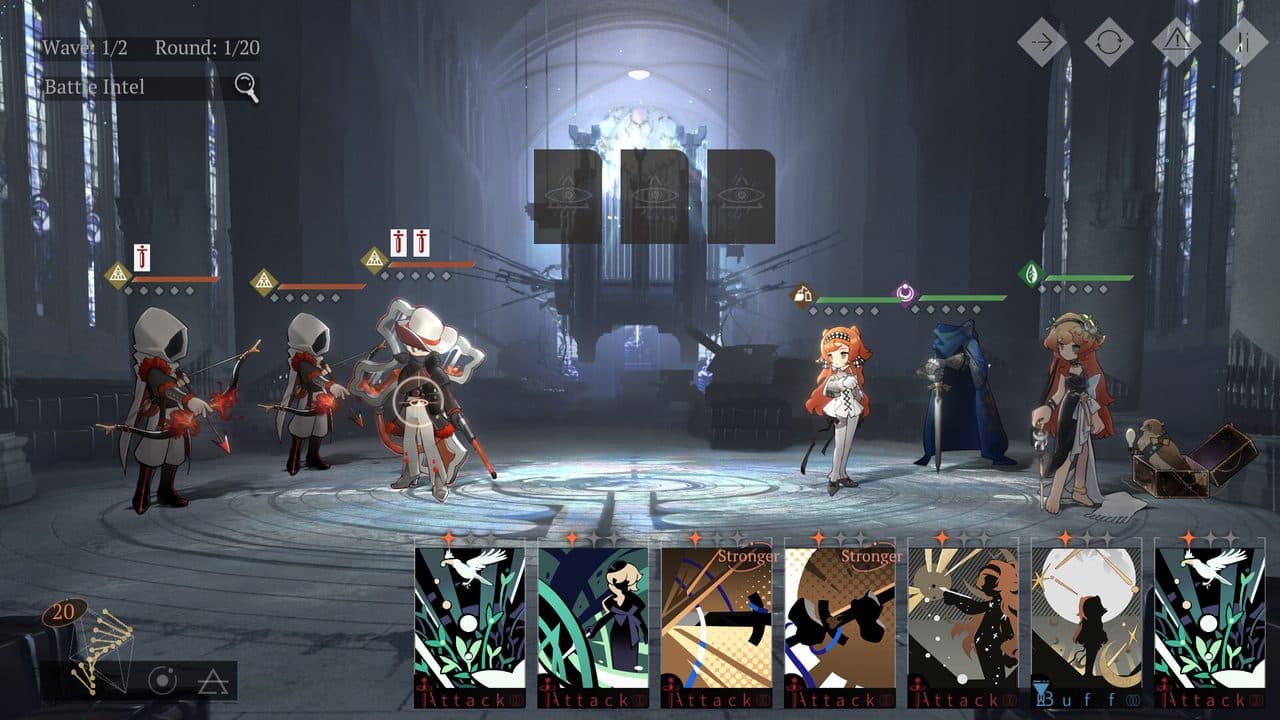
Almost every good Reverse: 1999 team is built from three or four jobs:
- Carry (main DPS): the unit that does the bulk of your damage. You build one at a time.
- Amplifier / sub-DPS: raises your carry's ceiling with buffs, extra turns, or its own damage.
- Sustain: a healer or shielder that keeps the team standing through hard content.
- Flex: a fourth slot for a second amplifier, a debuffer, or a control unit, depending on the fight.
Pour your resources into the carry first. A single well-built damage dealer plus a sustain unit clears the story and most mid-game content. Five half-built characters clear nothing. If you are brand new, start with our Reverse: 1999 beginner guide, then come back here to optimize.
Get the Afflatus Core Right
Before anything else, respect the element wheel. Matching Afflatus advantage is the biggest free damage boost in the game, so you want a small bench that can answer different stages rather than one team you force into everything. Two quick reminders from the full breakdown:
- Beast beats Plant, Plant beats Mineral, Mineral beats Beast.
- Star beats Spirit, Spirit beats Intellect, Intellect beats Star.
The two triangles never cross, so build flexibility into your roster, not just raw power.
Match Damage Types Too
Every Arcanist deals either Mental or Reality damage. Enemies often resist one more than the other, so a team that stacks the right damage type against a boss quietly gains a large edge. When you pair an amplifier with a carry, check that the amplifier actually buffs the carry's damage type. It is an easy detail to miss and a real chunk of lost performance.
Best Carries to Build Around (Version 3.5)
These are the damage dealers worth centering a team on right now:
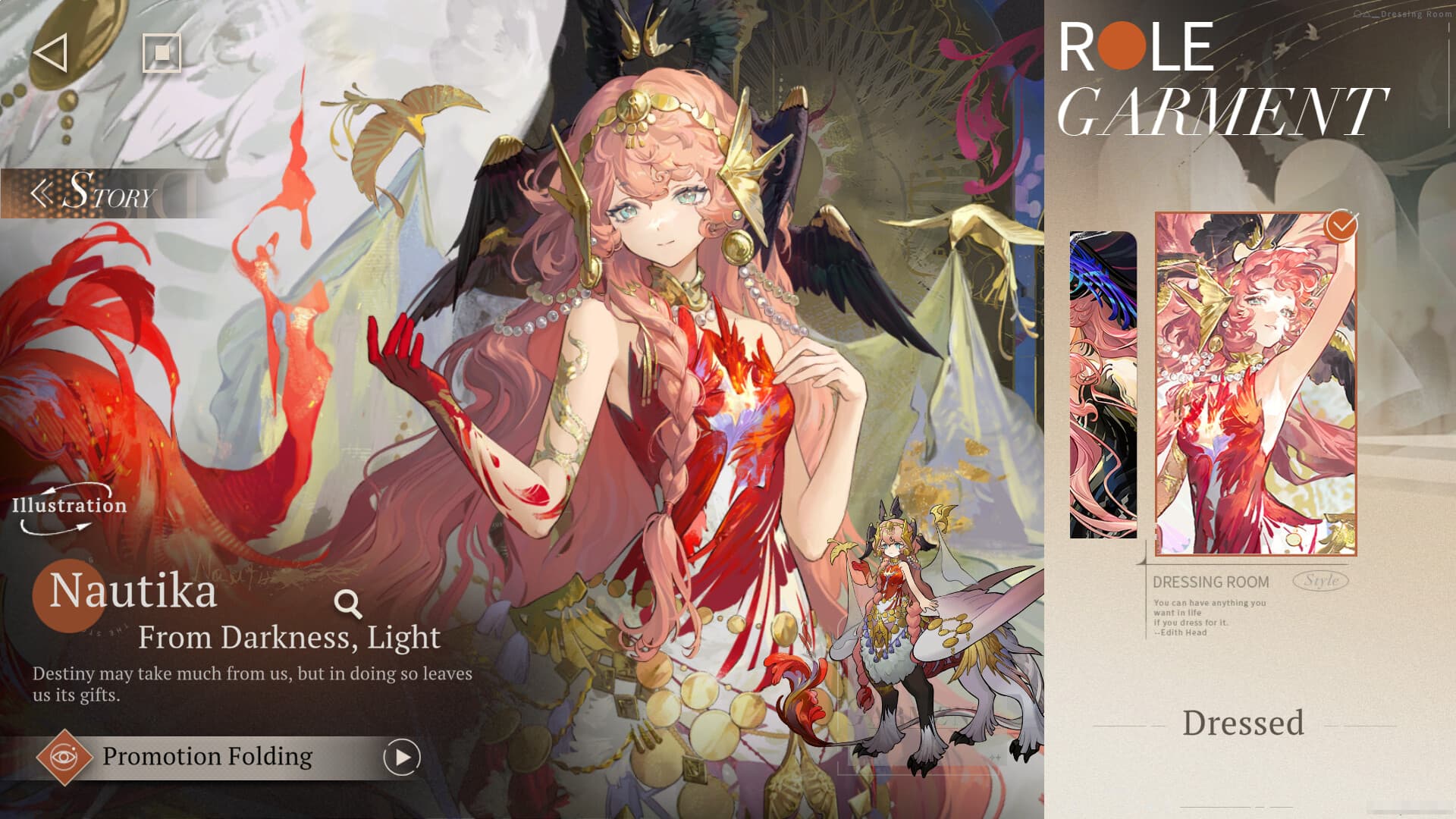
- Nautika is the premier main DPS of the current meta, the engine of the Bloodtithe team, with an ultimate that consumes stacks to unleash relentless follow-up attacks. Reliable across nearly every mode.
- Paper Heron defines the Plant Impromptu archetype with strong scaling and consistency, an excellent long-term carry.
- Brume and Beryl are meta-defining damage threats, but read the next section before you pull either, because they come with strings attached.
Best Supports (The Real MVPs)
Supports win Reverse: 1999, full stop. The standouts:
- Anjo Nala is the benchmark support: she amplifies damage and feeds free ultimates that pair brutally with high-frequency carries. If you pull one support, pull her.
- Flutterpage is one of the most universal and future-proof supports in the game, slotting into almost any team.
- Marsha sits at the top of sustain, rolling shields, buffs, and cleanse into one kit so you rarely need a dedicated healer alongside her.
- Liang Yue and Enigma round out the meta-defining support and control picks.
The Enabler Trap (Read Before You Pull)
This is the lesson that separates a stuck account from a strong one: some carries do almost nothing without a specific partner.
- Brume wants Charon or another Dynamo-style support to come online.
- Igor needs Lopera or Moldir to function as intended.
If you pull the carry and skip the enabler, you have spent your premium currency on a unit that underperforms. Plan the pair, budget the pulls for both, and only then commit.
Three Team Cores to Copy
You can adapt these to your roster and the Afflatus of the stage:
- Bloodtithe burst: Nautika (carry) + Anjo Nala (amplifier and free ults) + Marsha (all-in-one sustain). The cleanest, most beginner-friendly meta core.
- Plant Impromptu: Paper Heron (carry) + Flutterpage (universal buffs) + a sustain unit. Consistent and low-stress to pilot.
- Pairs carry: Brume or Igor with their required enabler (Charon, or Lopera / Moldir) plus a healer. Higher ceiling, but only if you own the partner.
Investment and Pulling Priority
- Build one carry fully before spreading materials. Gear it with the best-fitting Psychube you have, as covered in our beginner guide.
- Sustain units never fall off. A good healer or shielder stays useful forever, so they are safe long-term investments.
- Budget your pity. A 6-star is guaranteed by 70 pulls and the featured Arcanist is guaranteed within two 6-stars. Know exactly where your counter sits before you spend, using our pity system breakdown.
- Grab free currency first. Redeem everything on our Reverse: 1999 codes page before you open a single banner.
A Note on the Meta
The picks above reflect Version 3.5 (June 2026), and the meta shifts as new Arcanists arrive. Treat this as a strong foundation rather than gospel, and check our live Reverse: 1999 tier list for the current rankings before you commit pulls.
Where to Go Next
Browse the full Reverse: 1999 wiki for individual character pages, brush up on the Afflatus system that decides most fights, and if you are still deciding whether to invest, our Reverse: 1999 review lays out exactly who this game is for. Build the core, respect the wheel, and the rest of the game opens up fast.