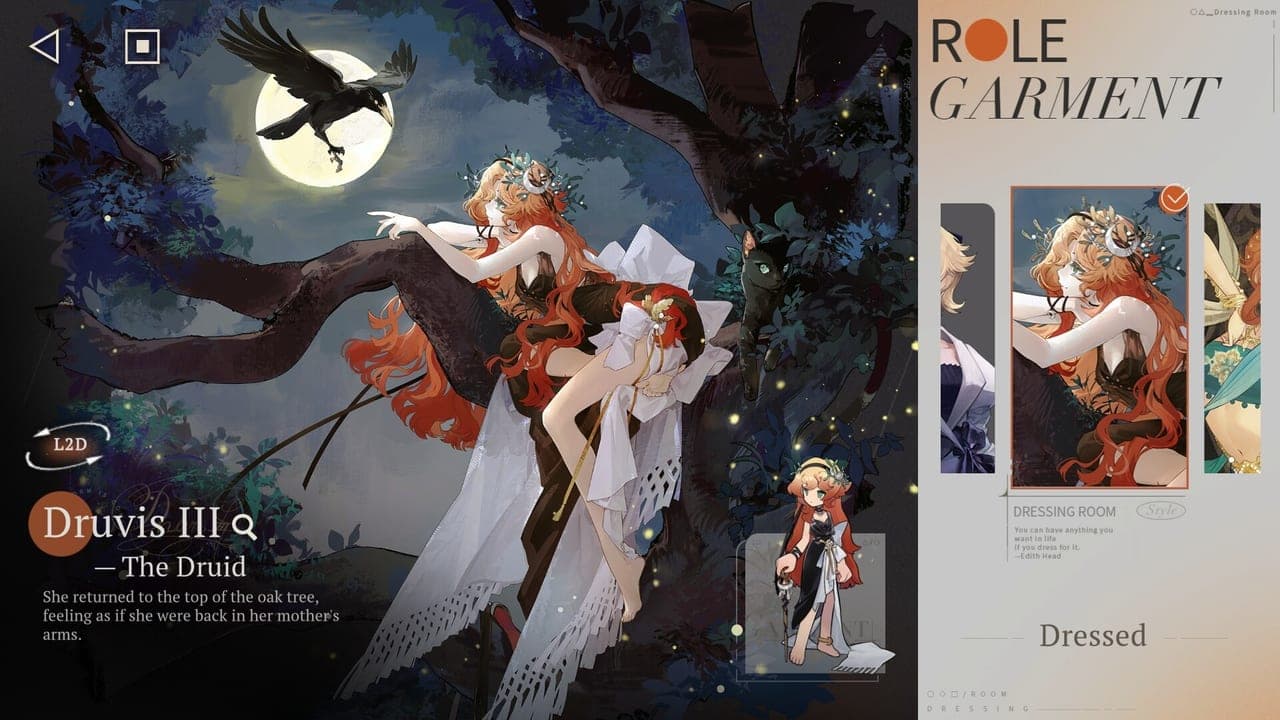
The Reverse: 1999 version, briefly
Reverse: 1999 is one of the most stylish games on mobile, but under the gorgeous 20th-century coat of paint sits a tidy little strategy game. To get going: follow the story for currency, build one team you actually invest in, respect the Afflatus element wheel, gear your carry with a good Psychube, and save your pulls for limited characters you love. Do that and you will clear the vast majority of the game as a free-to-play player.
Here is the friendly, no-jargon version of how it all fits together.
What Kind of Game Is This?
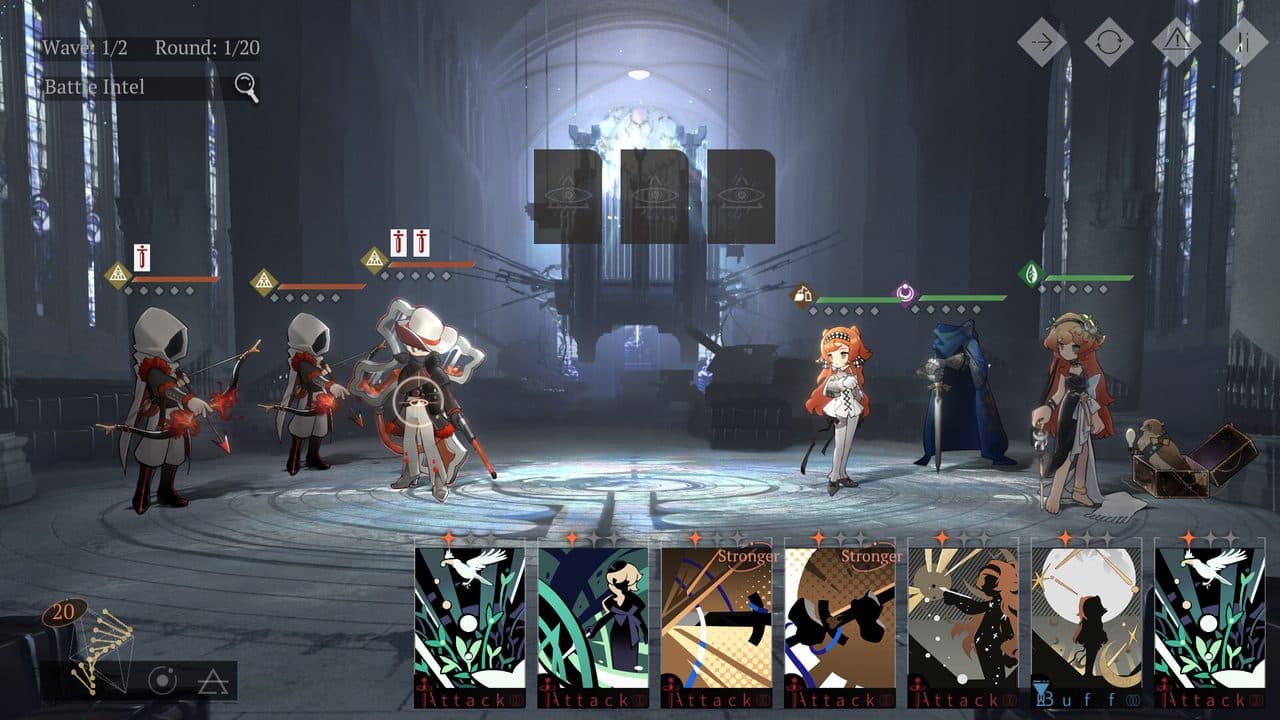
Reverse: 1999 is a turn-based gacha where you collect characters called Arcanists and fight with a card-based combat system. Every turn you draw a hand of Incantation cards, and you can drag two cards of the same kind and rank together to merge them into a stronger version. It is a small, satisfying puzzle every single turn: do you fire off three cheap spells now, or fuse them into one big one for later?
It is slower and more thoughtful than an action gacha. If you like the idea of a beautifully written, voice-acted story wrapped around a chill tactics game, you are in the right place.
Afflatus: Read the Type Chart
The single most important system for a new player is Afflatus, the game's element wheel. There are six types split into two rock-paper-scissors triangles:
- Beast beats Plant, Plant beats Mineral, Mineral beats Beast.
- Star beats Spirit, Spirit beats Intellect, Intellect beats Star.
Attack into a type you are strong against and you hit harder while taking less back. Most early-game walls are not a gear problem, they are an Afflatus problem. Keep a small bench of different types so you can always bring the right answer. The full breakdown lives on our Afflatus system page.
Building Your First Team
You do not need a stacked roster. A clean starter team is three roles:
- A carry to deal the bulk of your damage.
- A buffer or sub-DPS to amplify that carry or chip in.
- A healer or survival unit to keep everyone standing.
Pour your resources into the carry first. A single well-built damage dealer plus a healer will carry you through the story and most of the mid game. Spreading materials across five half-built characters is the classic rookie trap.
Psychubes: Your Equipment
Psychubes are Reverse: 1999's gear. Each one gives stats and a passive effect, and the right Psychube can be a big jump in damage or survivability. Equip your main carry with its best-fitting Psychube first, then work down your team. Do not stress about perfect Psychubes early. A decent one on the right character beats a perfect one on a unit you never field.
Who to Pull
Here is the honest advice: pull for a carry you want to build, then stop and bank the rest.
- Prioritize one strong 6-star damage dealer and learn their team.
- Pick up a reliable healer or sustain unit, because survival units stay useful forever and rarely fall off.
- Only chase the current limited Arcanist if it genuinely upgrades a role you care about.
Before you spend anything, read the pity system: a 6-star is guaranteed by 70 pulls, and the featured character is guaranteed within two 6-stars. Knowing exactly where your pity sits stops you from gambling on impulse. For current meta picks, check a live tier list, since the best units shift as new Arcanists arrive.
Daily Habits That Add Up
- Spend your stamina every day on the materials your carry needs.
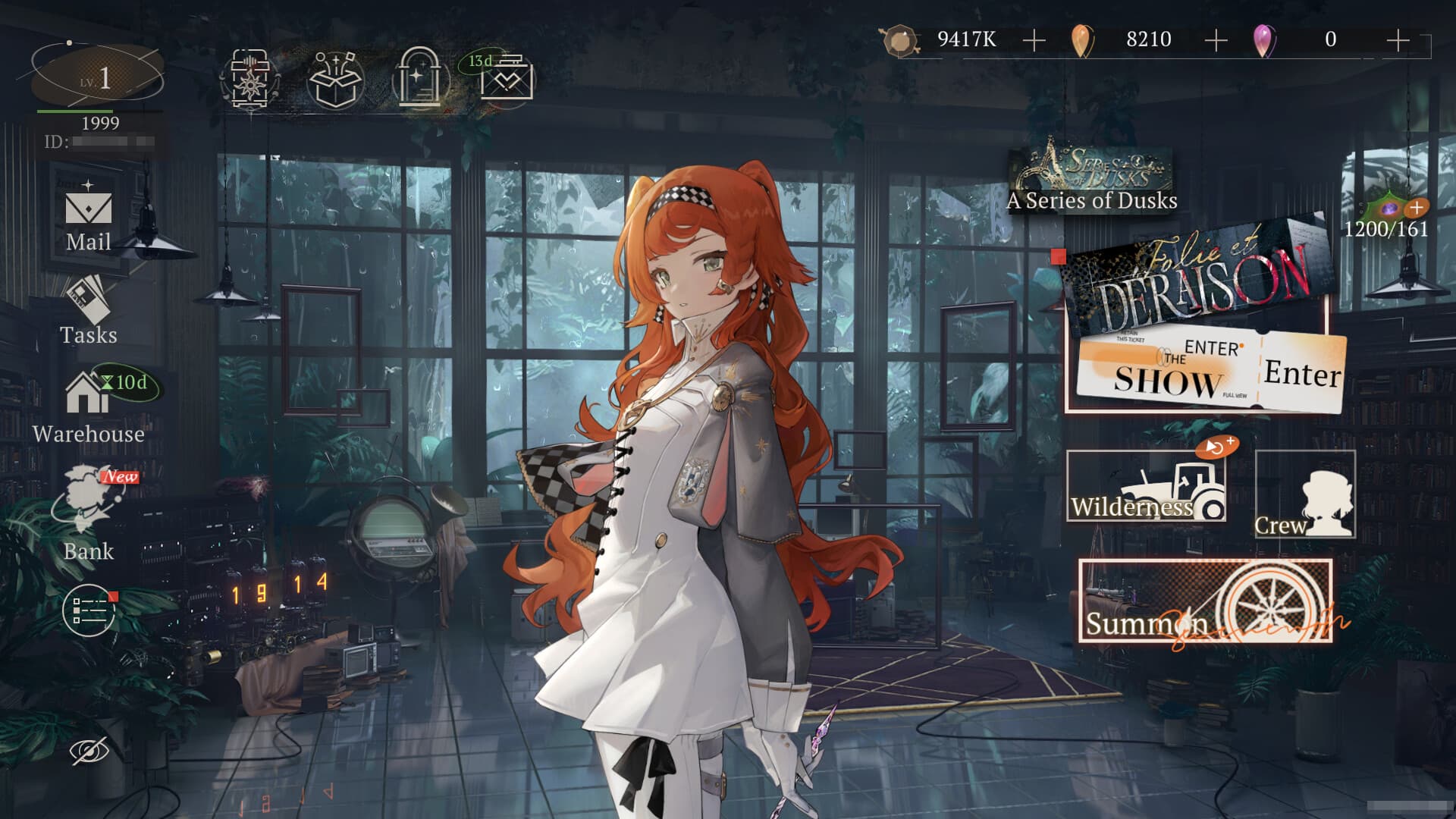
- Do your daily quests and Wilderness (your base), which passively generate resources while you are away.
- Clear story and event content for the biggest currency payouts.
None of this is grindy in a punishing way. Ten quiet minutes a day keeps your account healthy.
Where to Go Next
Once your first team clicks, the rest of Reverse: 1999 opens up fast. Brush up on the Afflatus wheel and the pity system, browse the full Reverse: 1999 wiki, and if you are still deciding whether to commit, our Reverse: 1999 review lays out exactly who this game is for.
Welcome to 1999. Mind the Storm.