Verdict
Reverse: 1999 is the most distinctive game in the entire gacha space, and it is not particularly close. Where most of its rivals chase flashy real-time action, Bluepoch zigged hard: a moody, beautifully written time-travel mystery wrapped around a calm, brainy card game, all dressed in a 20th-century aesthetic so confident it could hang in a gallery. It will not be for everyone. But if you have ever wished a gacha would just slow down and tell you a great story, this is the one you have been waiting for.
If you only read one line: install it for the vibe, stay for the writing, and do not expect it to play like an action game.
The style is the headline
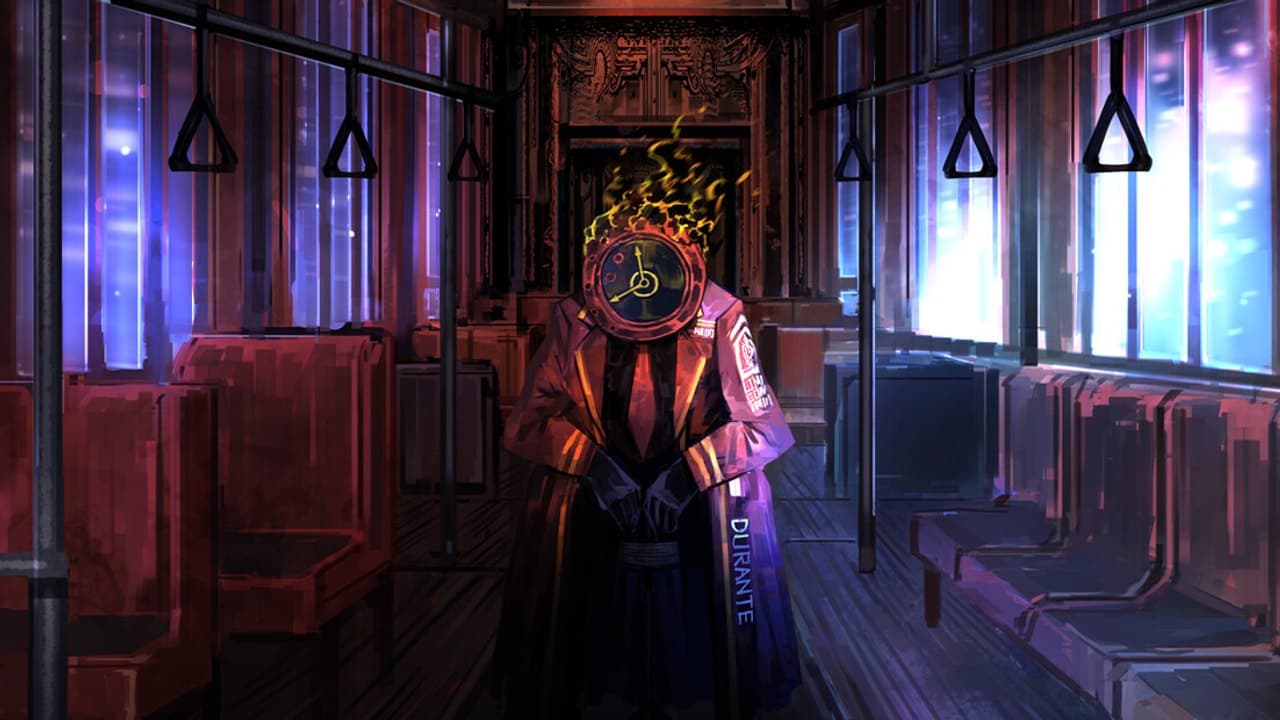
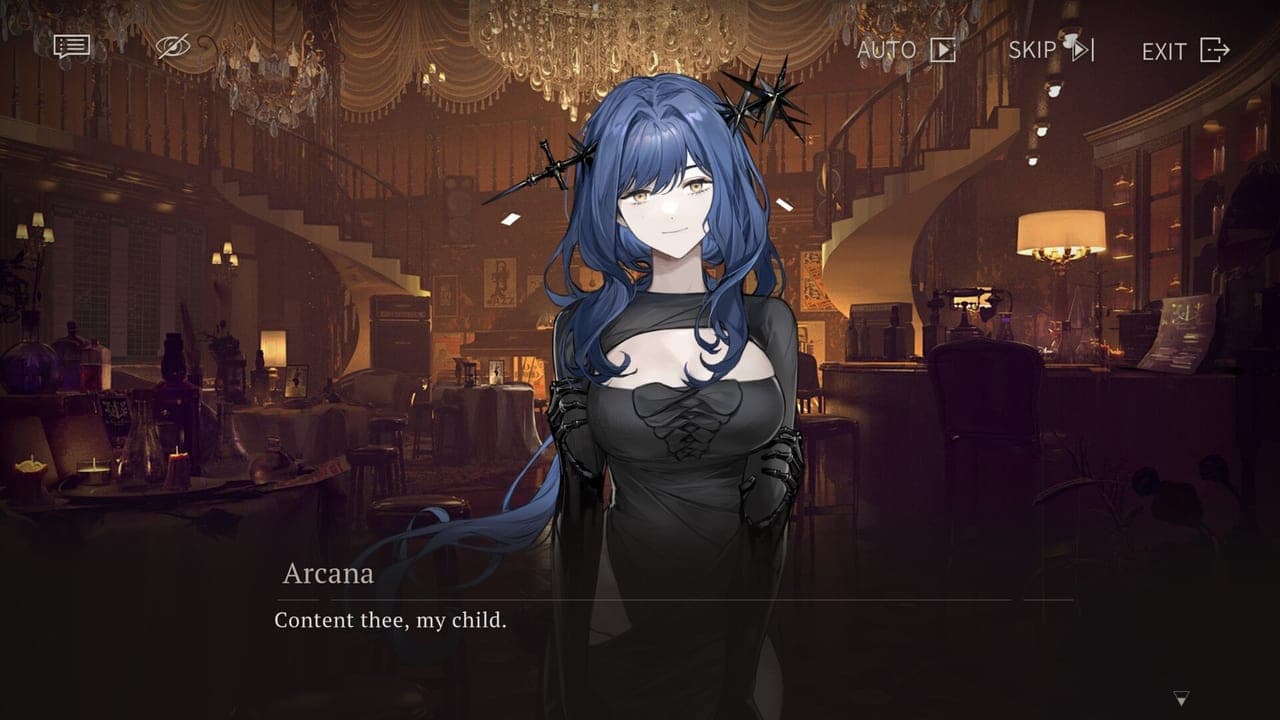
Let me start where the game starts, because the first thing Reverse: 1999 does is show off. The art direction is immaculate. It pulls from the 1920s through the end of the century with a love of period detail you almost never see in this genre: the fashion, the typography, the smoky parlors and rain-slick streets all feel authored rather than generated. Character art is gorgeous and, crucially, characterful. These are people, not pin-ups.
Then the voices start, and you realize the budget went somewhere special. Reverse: 1999 is fully voice acted to a standard most premium games do not reach, complete with real regional accents and multiple languages depending on who is speaking. A character from the English countryside sounds like it. A French Arcanist sounds French. It is a small thing that turns out to be a huge thing, because it makes the world feel genuinely lived-in.
The writing earns the slow pace
A lot of gacha stories are something you skip to get to the gameplay. Here, the story is the gameplay as much as the battles are. The central mystery, a recurring catastrophe called the Storm that erases time, gives the whole thing a wistful, literary tone, and the script has the confidence to be quiet, strange, and sad when it wants to be.
If you are the kind of player who reads every line, you will be richly rewarded. If you are the kind who mashes the skip button, you will get less out of this game than almost any other in the genre, and that is worth being honest about.
Combat: a calm little puzzle
The battles are turn-based and built on Incantation cards. Each turn you get a hand, and you can merge two matching cards into a stronger one, so every round is a tidy decision: spend now, or build toward a bigger play. Layered on top is the Afflatus element wheel, six types in two rock-paper-scissors triangles that reward you for bringing the right answer to each fight.
It is smart and relaxing rather than thrilling. There is real team-building depth here, and harder content genuinely tests your roster and your reads. But the flip side is honest: if you crave the dopamine of dodging and comboing in real time, this combat can feel slow, even passive. It is a game you play with a cup of coffee, not on the edge of your seat.
The gacha and the grind
Good news for your wallet. Reverse: 1999 is reasonably generous, and its pity system is one of the friendliest around: a 6-star is guaranteed by 70 pulls, and on a limited banner the featured character is guaranteed within two 6-stars. A patient free-to-play account can clear the content and build the characters it loves without spending. Our pity guide breaks down exactly how it works.
The honest knock is endgame volume. Between big story updates, the long-tail content can run thin, and the game is paced around the journey more than an evergreen treadmill. If you binge games and then demand infinite things to do, you may hit the edges sooner than you would like.
Who is it for?
Reverse: 1999 is for players who want atmosphere, writing, and style over speed and spectacle. If you love a great story, beautiful art, and a thoughtful tactics game you can play at your own pace, it is close to essential, and it is free, so the cost of trying is just your time. It is on Steam with crossplay too, so you can read on the couch and continue on your phone.
It is a weaker fit if you want fast action, minimal reading, or an endgame you can grind forever.
Final verdict
Reverse: 1999 is a confident, gorgeous, lovingly made game that trusts you to slow down, and rewards you when you do. The leisurely combat and thin endgame keep it from the very top of the scoreboard, but the highs, that art, those voices, that writing, are some of the best the genre has ever produced. An 8.3 that punches well above its peers on personality. New here? Start with our beginner's guide, then dive into the Reverse: 1999 wiki.