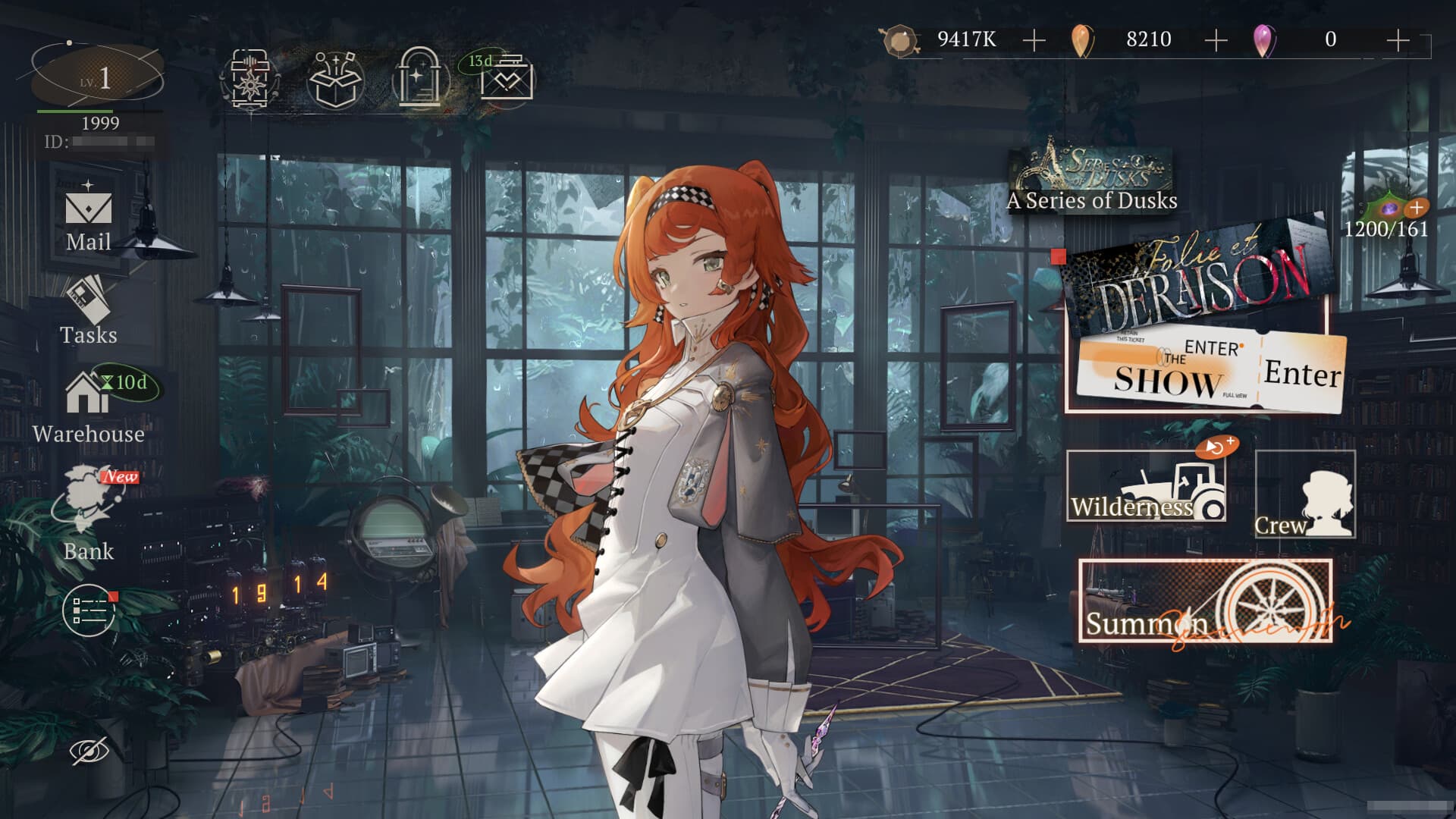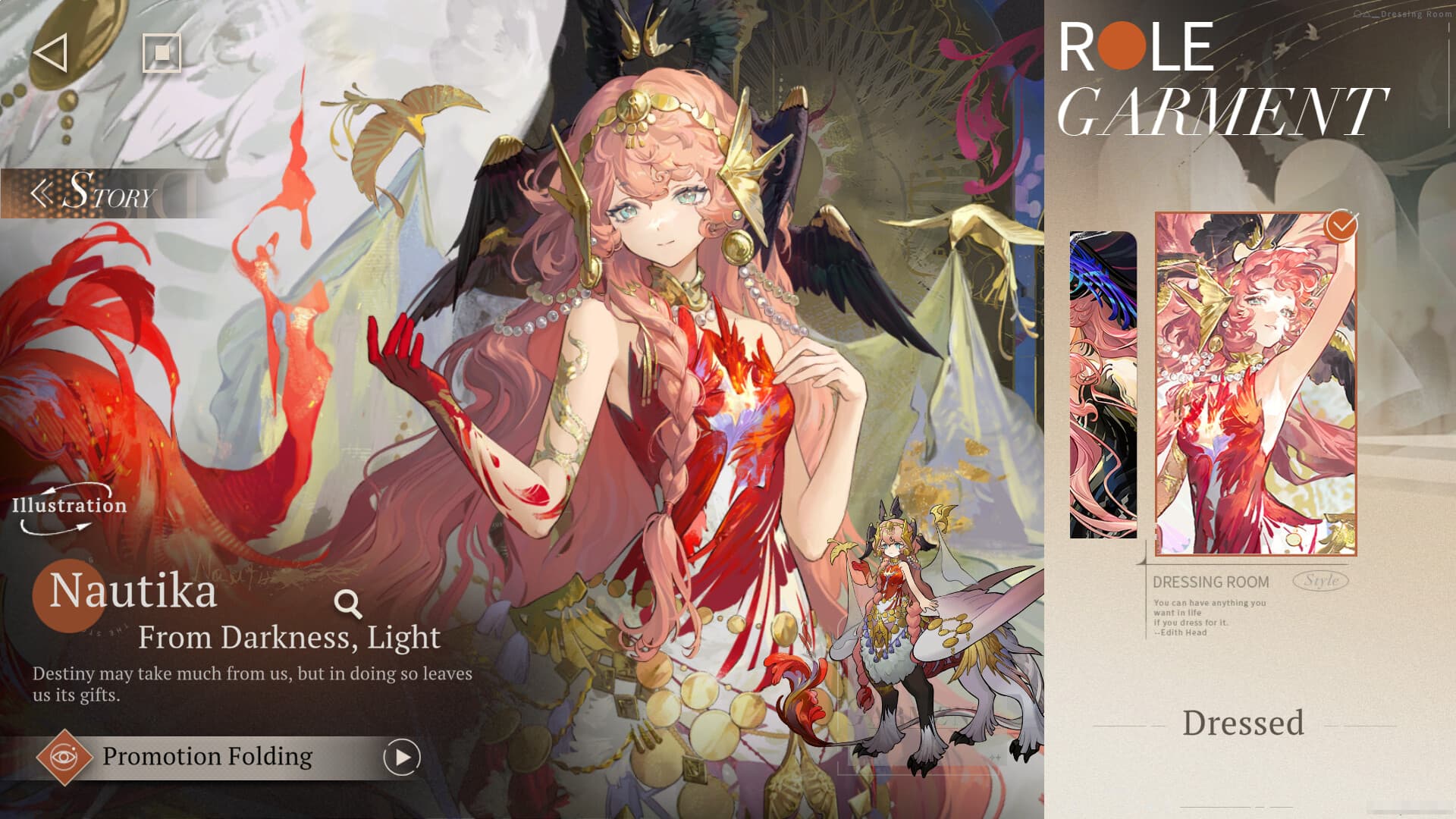

Reverse: 1999 is generous with its story and stingy with its signposting. You roll credits on the current chapter, the arrows stop pointing anywhere, and the game just sets you loose with a stamina bar and a menu of modes it never quite explained. The good news is that the endgame here is calmer and more forgiving than most gacha grinds. There is a short list of things worth doing, and once you know it, you can keep your account healthy in about fifteen focused minutes a day.
Reverse: 1999, in short
After the story, your week revolves around four things:
- Clear Limbo each rotation for the best rewards in the game.
- Spend your Activity on the right farm stages, in the right order.
- Build a second and third team so you are covered across every Afflatus.
- Sweep every limited stage in events and the bulletin for free pulls.
Everything below is detail on those four. If you are still learning the fundamentals, the beginner guide covers the basics this guide assumes.
Limbo: the endgame that matters
Limbo is Reverse: 1999's flagship recurring challenge, and it is where your premium rewards live. It refreshes on a cycle, splits into separate battlefields with their own rotating modifiers and buffs, and rewards you for fielding teams that fit each field's gimmick rather than brute-forcing one comp through both.
A few principles carry every rotation:
- Read the buffs first. Each Limbo field applies conditions that favor certain damage types, Afflatus, or playstyles. Build the team the field is begging for and the clear gets dramatically easier. Ignore the buffs and you are fighting the mode twice.
- You need two functional teams, not one great one. Because the fields run in parallel with different demands, a deep bench matters more than a single stacked squad. This is the whole reason the "build wide" advice below exists.
- Clear for the milestone rewards, not a perfect score. The bulk of Limbo's value is in hitting the clear thresholds, which hand out upgrade materials, currency, and pull income. Chasing the last few points of an optimized score is for leaderboard people, not for keeping your account fed.
Limbo is the one piece of content you should never skip a rotation of. The rewards compound directly into more characters and better gear.
Afflatus and why you build wide
Reverse: 1999 runs on an Afflatus system, a rock-paper-scissors of Beast, Plant, Star, Mineral, Spirit, and Intellect. Strong against the right Afflatus, your hits land harder and your accuracy climbs; caught on the wrong side of it, even a whale team stalls.
That single mechanic is why the endgame rewards breadth. Content like Limbo throws mixed enemy types and modifiers at you, and a roster that can only answer one Afflatus will hit a wall. Your goal after the story is:
- A primary team built around your best carry, fully invested.
- A second team covering a different Afflatus and damage profile.
- A flex bench of leveled supports (healers, buffers, and a survivability piece) you can swap between them.
The team building guide shows how to assemble those cores, and the tier list sorts characters by role so you know who is worth the investment. The classic shape is a carry, a sub-carry or nuke, a buffer, and a healer or survivability unit, adjusted to the Afflatus you need.
Spending Activity without wasting it
Your stamina, Activity, is the real bottleneck once the story is done, and dumping it in the wrong place is the most common way players stall. Spend it in roughly this priority:
| Priority | Spend Activity on | Why |
|---|---|---|
| 1 | Current character material and Insight stages you actually need | Unlocking Insight tiers is the single biggest power spike for a character |
| 2 | Psychube material stages for your carries | A leveled, right-stat Psychube is a large, cheap damage gain |
| 3 | Sharpodonty (gold) and Dust (XP) farms when you are short | You will always eventually need more of both |
| 4 | Event stages with better-than-normal drop rates | Events routinely beat the standard farms; prioritize them while they are live |
The rule: fund the character you are actively building to their next Insight breakpoint first. Insight and the resonance and Psychube upgrades that come with it are where a character's power actually jumps, so half-finishing four characters is worse than fully finishing one. Our Psychube and Resonance guide breaks down where those breakpoints are and which stats to chase.
Turn limited stages into free pulls
Reverse: 1999's economy is one of the kinder ones in the genre, and a lot of that generosity is hidden in limited content. Every version, the game runs event stages and the recurring bulletin of limited missions that pay out Clear Drops, Unilogs, and pull currency for one-time clears. Treat these as mandatory:
- Clear every event stage at least once. The first-clear rewards are where the pulls are, and they expire when the event ends.
- Do the limited bulletin missions as they rotate in. They are low-effort and hand out materials and currency you would otherwise grind for.
- Never sit on expiring currency. If an event shop has character or upgrade materials you need, spend before it closes.
Add the always-live codes on top, and a patient free-to-play player can hit pity on the banners they care about without spending. If you want to see exactly how generous Reverse: 1999 is compared to the rest of the genre, our gacha cost breakdown ranks it against its peers.
A sustainable weekly rhythm
Put together, a healthy Reverse: 1999 week looks like this:
- Daily: clear your Activity on the current priority farm, do dailies, collect idle rewards.
- Each Limbo rotation: read the field buffs, field two fitting teams, clear the reward thresholds.
- Each version: sweep all new event and bulletin stages for pulls, spend expiring shop currency, and plan your next Insight target.
That is the whole endgame. It is deliberately low-pressure, which is a large part of why the game keeps its players. If that pace sounds appealing, the Reverse: 1999 review explains why its calm, atmospheric endgame stands out in a genre built on relentless grinds.