
"Free-to-play" is the most abused phrase in the gacha genre. Technically every one of these games is free to install, and technically you can clear most of their content without paying. The real question, the one that decides whether a game respects your time or milks it, is narrower: how far does the free version actually get you, and how hard does the game push you to stop being free? That is what we ranked here. Not genre, not graphics, but generosity: how much pull currency you earn, how fair the pity system is, and how little you can spend and still keep up.
Here is the ranking at a glance, then the reasoning for each.
| Rank | Game | Why it places here |
|---|---|---|
| 1 | Limbus Company | The most F2P-friendly economy in the genre by a distance |
| 2 | Reverse: 1999 | Generous income, low duplicate pressure, calm pace |
| 3 | Honkai: Star Rail | High pull income, transparent pity, but real power creep |
| 4 | Zenless Zone Zero | Tiny team requirements make every pull go further |
| 5 | Wuthering Waves | Strong pity value and steady free currency |
| 6 | Genshin Impact | Clearable free, but the strictest economy of the bunch |
How we scored generosity
Four things decide whether a gacha is genuinely F2P-friendly, and none of them is the headline pull rate:
- Pull income: how much premium currency you earn per patch from events, dailies, and content, and therefore how many pulls you can bank between banners.
- Pity fairness: whether the pity system guarantees a result at a reasonable count, and whether "guaranteed" actually means the unit you wanted.
- Roster pressure: how many characters, duplicates, and signature items you need to stay competitive. A game that wants one copy of a unit is far kinder than one that wants six.
- Cost to be comfortable: the realistic monthly spend, if any, that takes a game from tight to relaxed. The kindest games make the cheap monthly pass optional, not mandatory.
A game can have a flashy rate and still be stingy if it demands duplicates and doles out currency in thimbles. We weighted the whole picture. For the hard money comparison across the genre, our gacha pay-to-win and cost ranking is the companion piece to this list.
1. Limbus Company
Best for: anyone who wants the closest thing to a fair gacha economy.
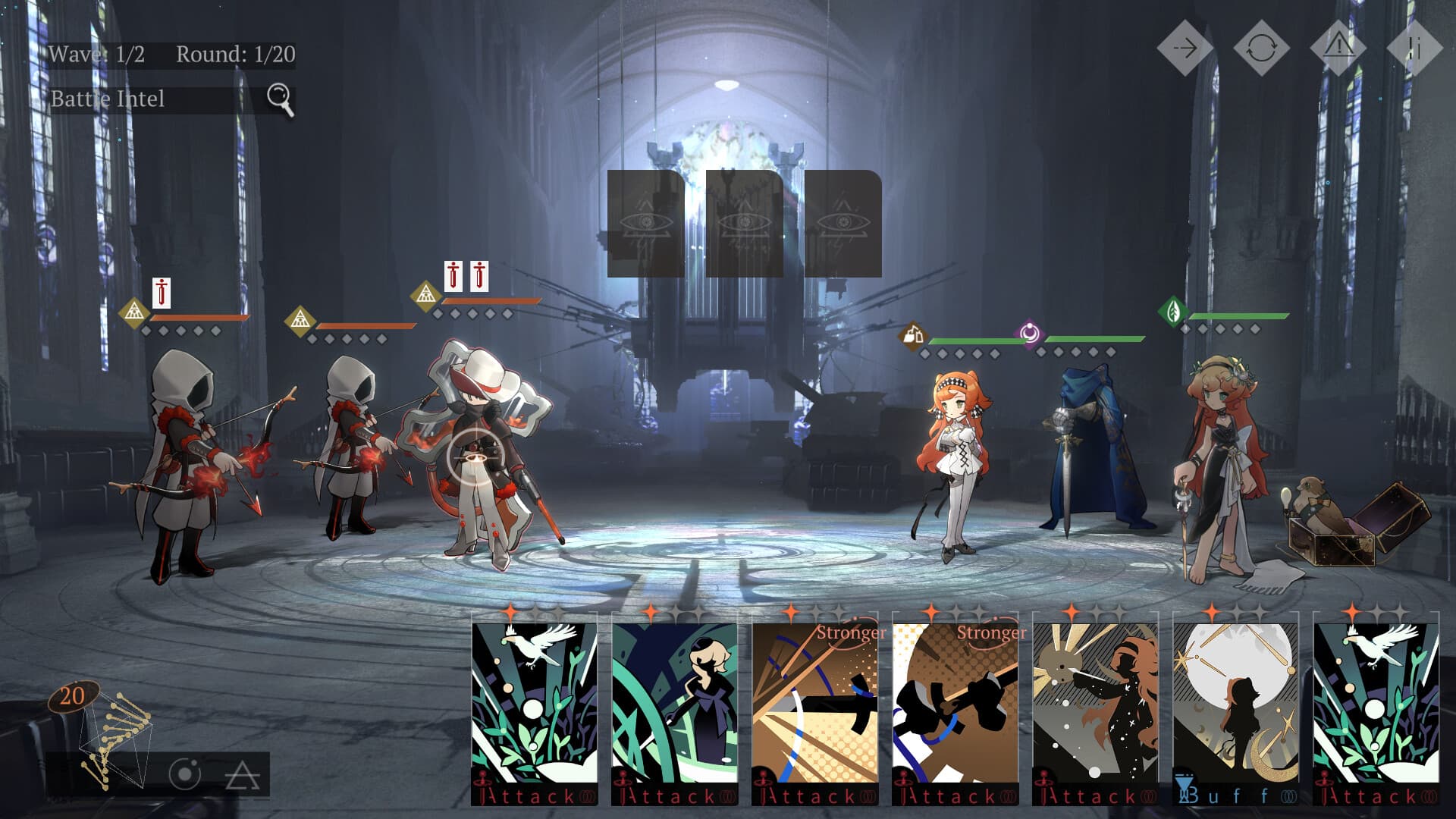
Project Moon's turn-based RPG is not just generous, it is on a different tier from everything below it. Pull income is high, the game showers you with currency, and crucially it is built so that a patient free player can realistically acquire nearly everyone without ever touching their wallet. Duplicate pressure is low, the monthly pass is cheap and optional, and the whole design treats spending as a tip rather than a toll.
The trade-off is presentation: it is a sprite-based, dense, reading-heavy game that asks you to engage with its systems and story rather than dazzle you with 3D banners. If you can get past that, nothing here comes close to its value. It sits near the top of our strategy gacha ranking for the same reasons, and the tier list helps you spend your generous pulls well.
2. Reverse: 1999
Best for: players who want a generous economy without giving up production values.
Bluepoch's game is the most F2P-friendly of the "premium-looking" gacha. The income is steady, events reliably hand out pull currency, and the duplicate pressure is refreshingly light: most characters are perfectly usable at zero dupes, so you are pulling for breadth rather than being bled for copies. The pace is calm, the pity is reachable, and the whole thing is built for players who want to collect without panic.
It is the game we most often recommend to someone burned out on the HoYo grind. Start with the review and the endgame guide, build with the team guide and tier list, and grab free Clear Drops from the codes page.
3. Honkai: Star Rail
Best for: players who want the deepest game and can stomach the power creep.
Star Rail is genuinely generous on paper: high Stellar Jade income, a transparent pity, and enough content each patch to bank real pulls. The reason it does not rank higher is honest to name: power creep. New units and new endgame modes apply steady pressure to keep pulling, and a free player has to be disciplined about which characters they chase or they will fall behind the hardest content. It is very playable free, but it asks more of your restraint than the two above it.
If depth is your priority, the trade is worth it. See the review, fund your account from the codes page, and use the best characters guide and tier list to spend only where it counts. Our Simulated Universe guide covers the weekly loop that keeps your Jade income flowing.
4. Zenless Zone Zero
Best for: free players who hate wide roster requirements.
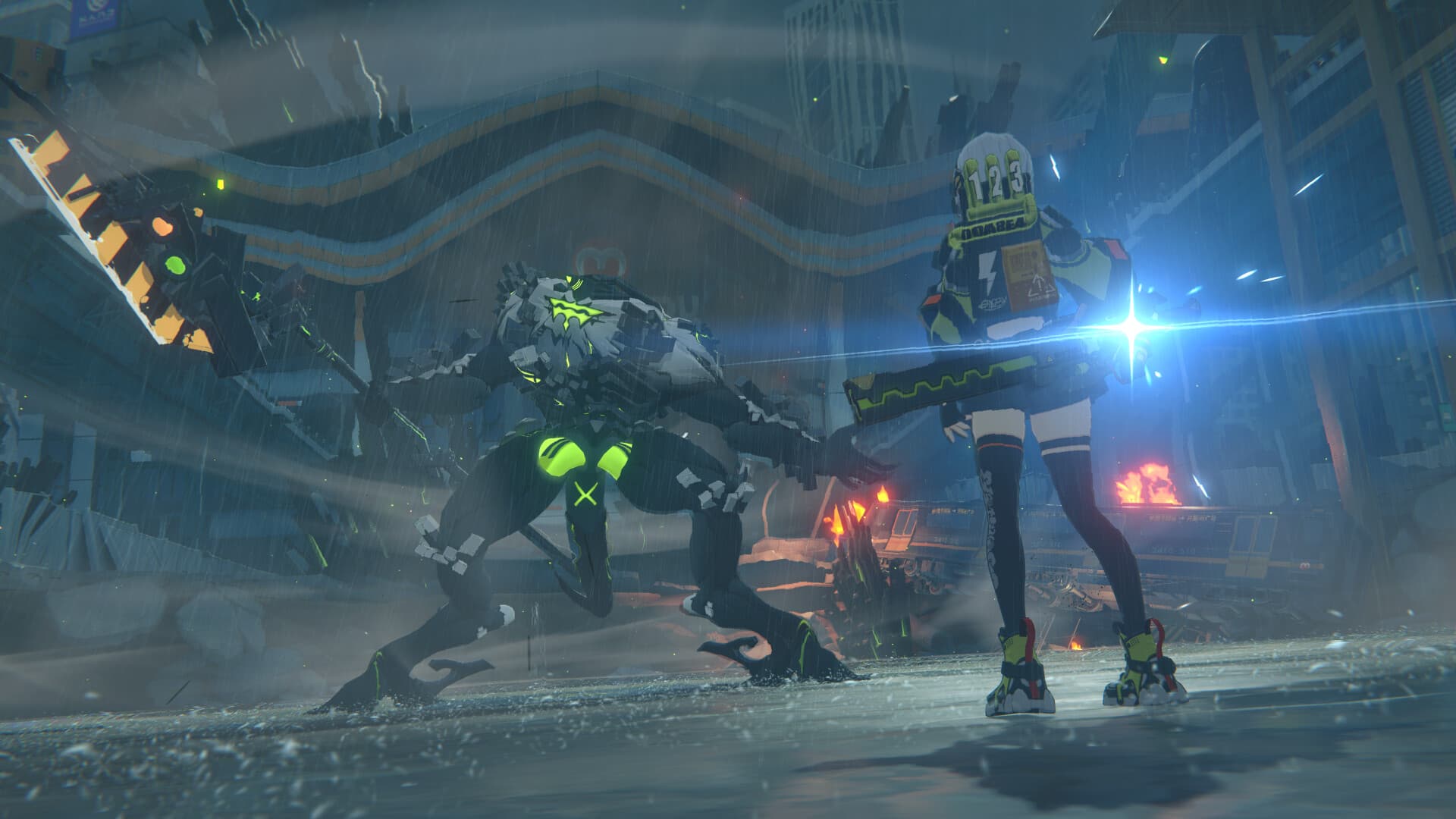
ZZZ earns its spot with a structural kindness the others cannot match: its teams are small and its content does not demand a deep bench. Because you build around a compact core rather than a stable of half-invested units, every pull stretches further and a free player can field a genuinely strong team without chasing a dozen characters. Income is solid and the pity is fair. The result is one of the least demanding gacha to keep competitive in without spending.
It is also just an excellent action game. Read the review, learn the combat loop, and pull smart with the tier list and free Polychrome from the codes page.
5. Wuthering Waves
Best for: action fans who want a fair pity and steady income.
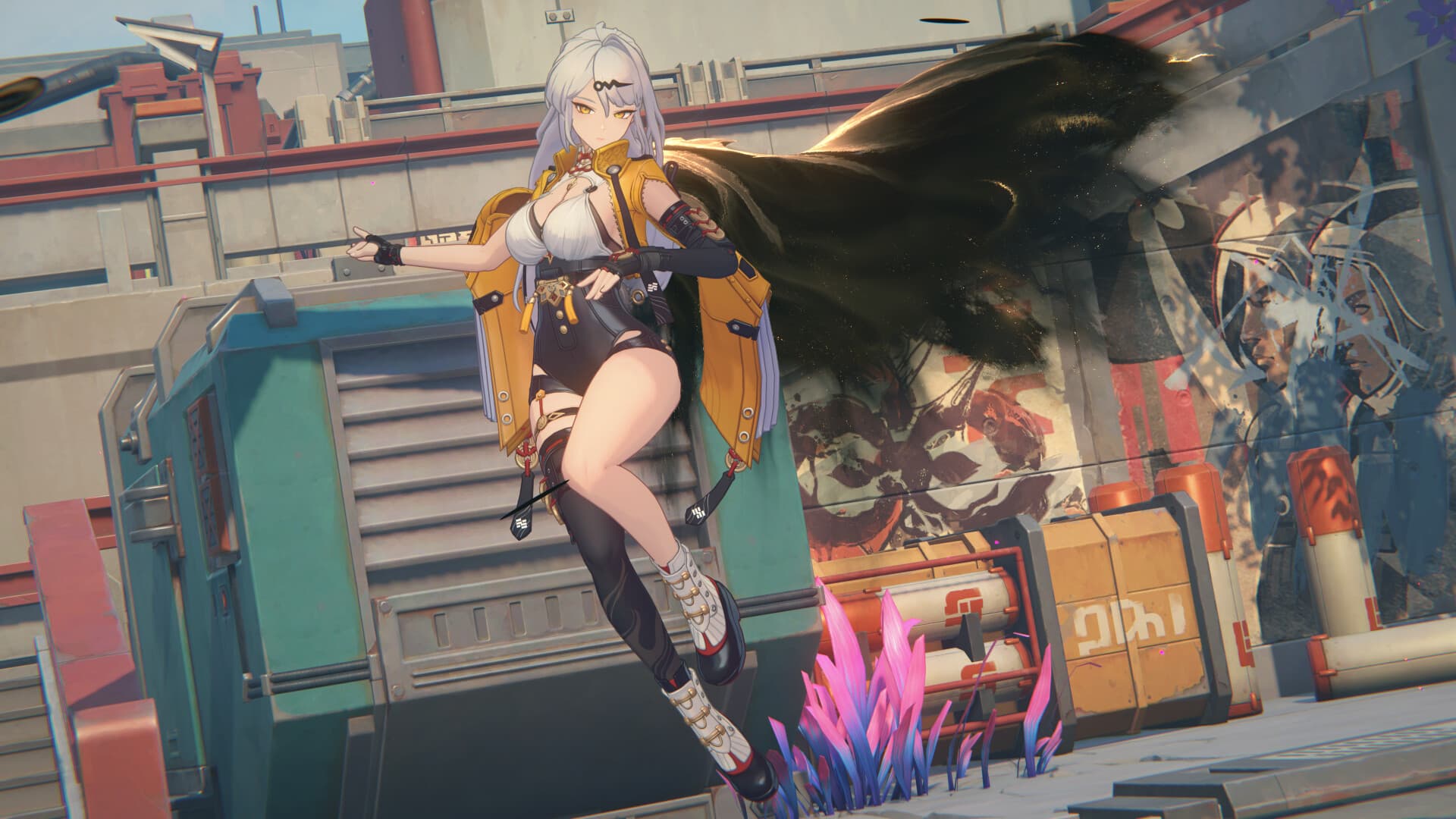
Kuro's action RPG made a real effort on its economy, and it shows. The pity systems are player-friendly, free currency arrives at a healthy clip, and the game leans on skill expression rather than raw investment to clear content, which softens the pressure to whale. It sits a notch below the others mostly because keeping pace with new content still rewards regular pulling, but as F2P experiences go it is a fair deal. The Wuthering Waves review has the full picture.
6. Genshin Impact
Best for: players who want the world and accept the strictest economy.
Genshin is entirely clearable as a free player, and millions do exactly that. But there is no getting around it: it runs the tightest economy of everything on this list. Primogem income is modest for the size of the game, the weapon banner is a trap for free players, and the roster-breadth demands of modes like Imaginarium Theater mean your limited pulls are always stretched thin. You can play it free and love it; you just have to be the most disciplined here. The review makes the case for why the world is worth the restraint.
The bottom line
If your single priority is getting the most game for zero dollars, Limbus Company and Reverse: 1999 are the clear winners, with ZZZ close behind for players who hate deep-bench requirements. The HoYo heavyweights are generous in absolute terms but demand more discipline, and Genshin, for all its scale, remains the one that asks the most of a free wallet.
Whichever you pick, the free-player playbook is the same: cash your codes, clear your events, hit pity only for units you actually need, and let your currency bank between banners. For more ways to sort the genre, browse the full gacha hub, the action gacha ranking, and the strategy gacha ranking.