You have done this. A new character gets announced, the banner is a few days out, and there it is on the events tab: a little node that lets you take the unit for a spin. Fully leveled. Signature weapon equipped. Every talent maxed. You drop into a short combat stage, press the buttons, watch the screen fill with numbers you will not have on your own account for months, and by the time the trial ejects you back to the menu, a decision that was "probably not" ten minutes ago has quietly become "well, maybe."
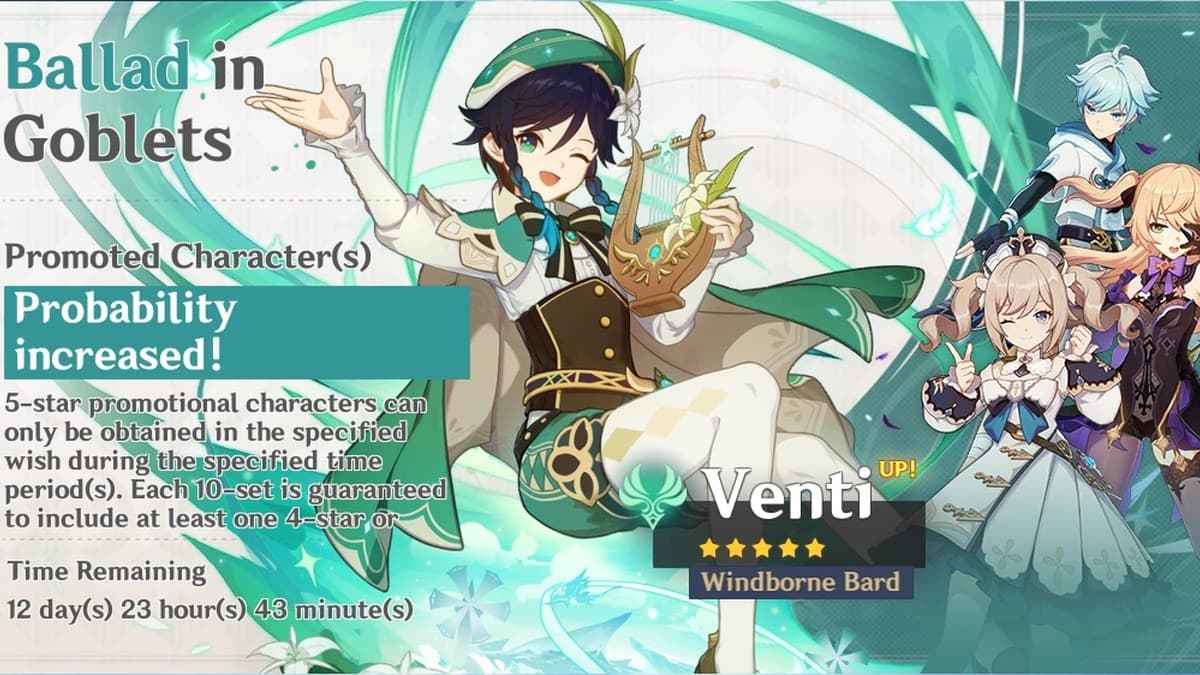
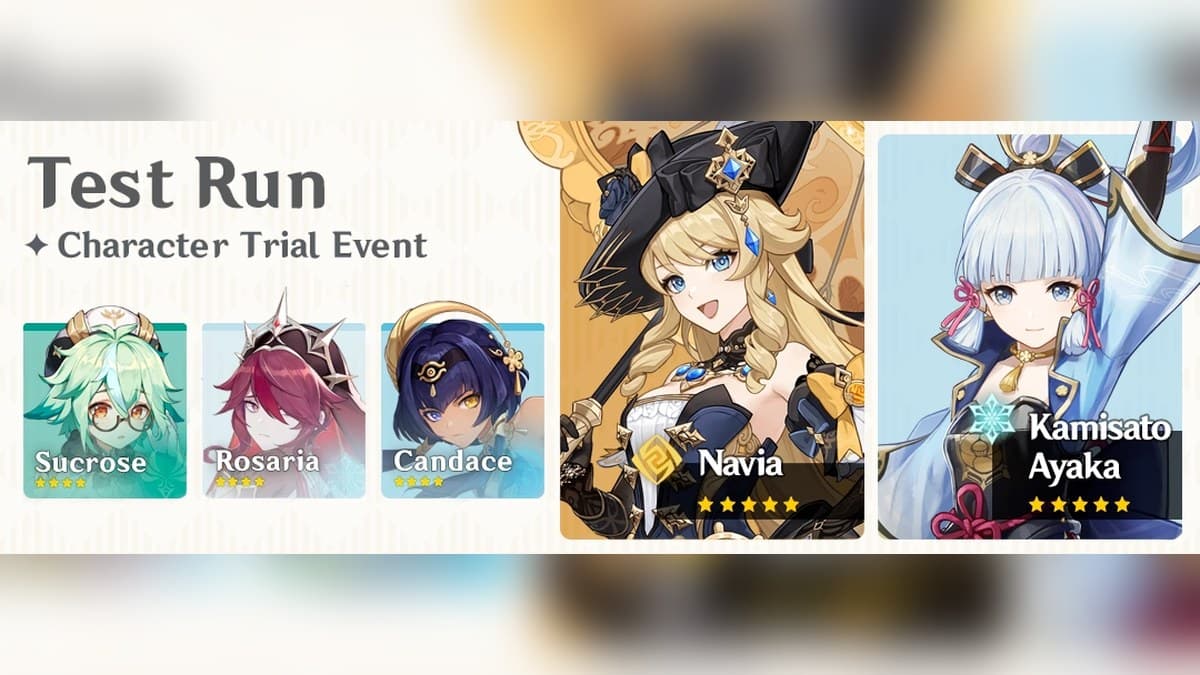
That node has a boring name in each game. Genshin calls it a Test Run. Honkai: Star Rail calls it a Character Trial. Zenless Zone Zero, Wuthering Waves, Reverse: 1999, they all have their own label for the same thing. And every one of them is doing the exact same job: letting you hold the product before you decide whether to spend on the product. It is the free sample at the end of the grocery aisle, and it works for the same reason the free sample works.
Why the sample sells
The grocery-store sample is not charity. It exists because a person who has tasted the thing is dramatically more likely to buy the thing, and the reason is not really flavor. It is two quirks of how we value what we touch.
The first is the endowment effect: the moment something feels like yours, even briefly, losing it registers as a real loss rather than a missed opportunity. A trial character is engineered to trip this. You do not read about the unit's kit on a wiki. You play it, you land its flashy ultimate, you feel the rotation click, and for a few minutes your account has a top-tier five-star in it. When the trial ends and the character vanishes, the game has not shown you something you could have. It has taken away something you briefly had. Those are wildly different feelings, and the second one opens wallets.
The second is that a trial closes the gap the genre normally profits from. Every other pull decision is made blind. You weigh a character you have never controlled against a currency total you spent weeks accumulating, and the uncertainty is the whole tension. The trial deletes the uncertainty on the fun side while leaving it fully intact on the cost side. You now know exactly how good it feels. You still do not know if you will win the fifty-fifty. That asymmetry, certainty about the reward and doubt about the price, is a near-perfect recipe for "just this once."
The catch nobody puts in the tooltip
Here is the part the trial cannot tell you, and it is the single most important thing to hold onto: the trial is a lie of investment. Every trial character is served to you at the ceiling. Max level, best relics or echoes or psychubes, signature weapon, every passive online, often paired with an ideal support or two. You are not test-driving the character. You are test-driving an endgame account's version of the character, on a stage tuned to make it look effortless.
Your version, on pull day, will be level one with a bad weapon and whatever leftover gear you can spare. It will not delete that wave in one button. It will feel, for the first two weeks, distinctly worse than the thing you played in the trial, because the trial was never a preview of your experience. It was a preview of your fantasy. That is not a bug. The distance between the trial and your reality is exactly the distance the game hopes you will spend to close.
This is why "I tried it and it felt amazing" is the worst possible reason to pull, taken alone. Of course it felt amazing. It was built to. Everything feels amazing at C6 with a signature.
What the trial is actually good for
None of this means you should skip the trial or distrust it. Used correctly, it is one of the most honest tools in the genre, because it answers a question a spreadsheet never can: do I enjoy playing this?
Tier lists tell you how strong a unit is. They cannot tell you whether its rotation bores you, whether its playstyle fits your hands, whether you will actually want to bring it into Pure Fiction or the Tower of Adversity forty times over the patch. A character you find tedious is a wasted pull no matter how high it ranks. The trial is the one place you get that answer for free.
So flip the question the trial wants you to ask. It wants you to ask "did that feel good?" The answer is always yes. Ask instead:
- Did the rotation feel good, or did the numbers feel good? Numbers are borrowed from the trial's investment. The rotation is yours to keep. Judge the buttons, not the damage.
- Would I enjoy this at my investment level? Mentally strip the signature weapon and the maxed talents. Is the core loop still fun at a realistic build?
- Does it fill a role I actually have open? The trial makes every unit feel essential. Your roster knows better. If you already have three carries of this element, the trial's shine does not change that.
- Am I excited to build it, or just excited that it was handed to me built? Those are different feelings, and only the first one survives contact with the grind.
If the honest answers still point to yes, that is a genuinely good signal, arguably better than any tier list, because it is about the one thing tier lists cannot measure: whether you will keep playing it. Cross-check the raw power question against a who-to-pull breakdown or the game's current banner verdicts, and now you are making the decision with both halves of the information instead of just the half the trial gave you.
The trial and the calendar
There is a scheduling tell worth naming, too. Trials almost always land in the window between reveal and banner, when your hype is peaking and your saved currency is at its highest. That timing is not an accident either. The game wants the memory of the trial fresh in your mind precisely when the wish button is live. The countermove is simple and slightly annoying: do the trial early, then sit with the decision for a day. Let the borrowed dopamine drain out. If you still want the character after the glow fades, when you are judging the kit and the role instead of the afterimage of a maxed ultimate, that is real desire and not a sugar high. Pull with confidence.
The most honest lie in the genre
The trial character is a small marvel of design because it is completely upfront and completely persuasive at the same time. It hides nothing. It tells you it is showing you the best-case version. And it still works on almost everyone, because knowing you are being sold to has never made a free sample taste worse.
The healthiest way to live with it is to enjoy it for exactly what it is: a genuinely fun few minutes with a toy you might not keep, and a real answer to the only question that matters after the numbers fade. Play the trial. Feel the fantasy. Then set it down, wait a day, and decide with the part of your brain that has to actually build the thing. The sample is free. The character is not, and the gap between those two is the whole game.