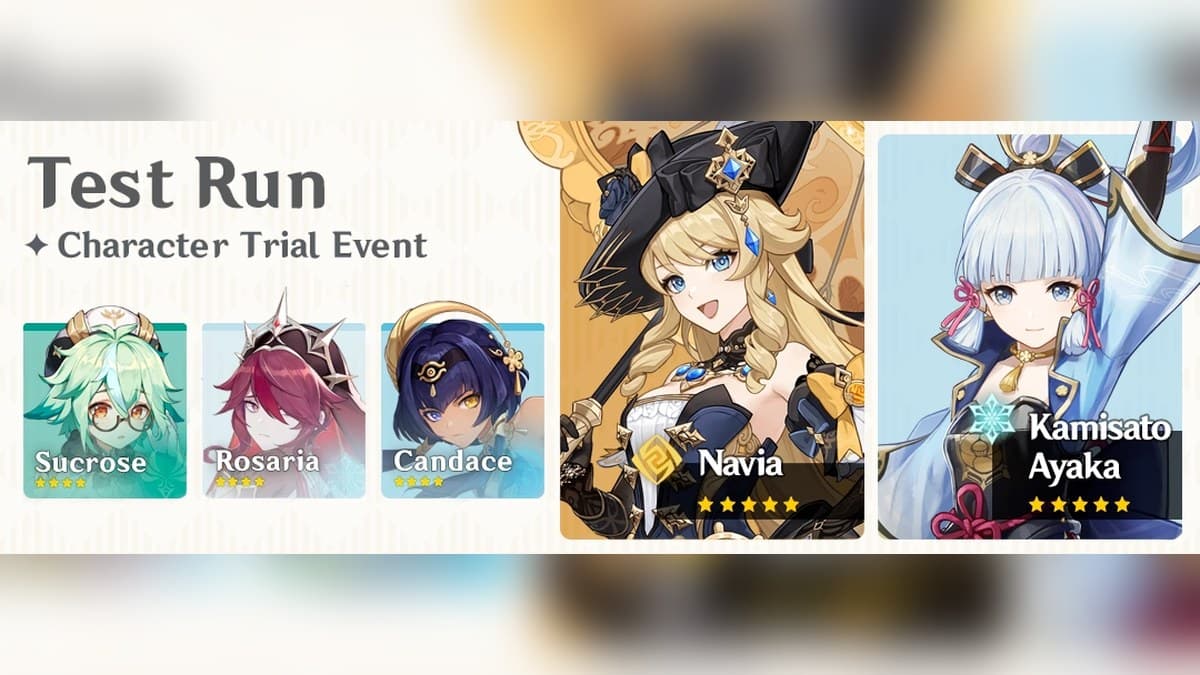
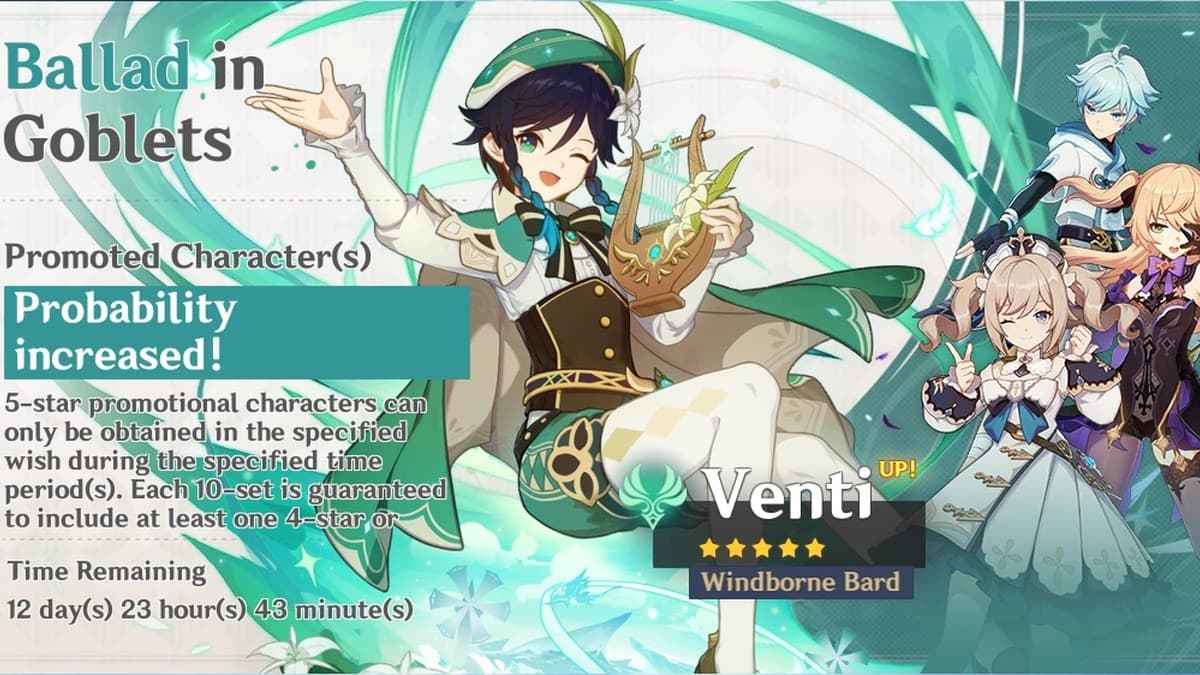
The character you wanted ran a year ago. You were broke that patch, or you were new, or you skipped because a guide told you to and the guide was wrong for you specifically. Whatever happened, they left, and now you are doing the one thing every gacha eventually teaches you to do: you are waiting.
Not passively. The rerun wait is an active state. You have a number in your head, a pull count you are protecting. You skip banners you would otherwise have enjoyed. You read leak threads for a name you have read a hundred times. You know, roughly, that most limited units come back somewhere between nine and eighteen months after their debut, and you have quietly turned that range into a personal calendar the developer never published.
What you are actually waiting for
It helps to be precise about the thing, because the rerun wait is not one feeling. It is three, stacked.
The first is hope, and it is the cleanest of the three. There is a real pleasure in saving toward something specific. A pull economy that felt like a slot machine when you were pulling on impulse becomes a plan the moment you have a target: every daily, every event, every code you redeem is a coin dropped into a jar with a name on it. Plenty of players will tell you the saving is more fun than the pulling, and they are not being ironic.
The second is doubt, and it grows the longer the wait runs. Reruns are not promised. Some units go two years between appearances. A few, for reasons of story or licensing or simple neglect, effectively never come back, and their fans become a small diaspora that shows up in every "when will they rerun" thread to say, gently, still waiting. You do not know, when you start saving, which kind of wait you are in.
The third is opportunity cost, the quiet math running under both. Every banner you skip to protect your reserve is a unit you did not get. Sometimes the thing you skipped for turns out to matter more than the thing you were waiting for. The wait is a bet, and the stake is everything else on offer in the meantime.
Why the games are built this way
Reruns exist because the alternative is worse for everyone. A game that never re-ran its units would punish every new player permanently and turn its own back catalogue into a museum. Bringing characters back keeps the roster alive, lets latecomers build the teams a tier list tells them to want, and gives lapsed players a reason to reinstall. The generous end of the genre leans into this: guaranteed selectors, anniversary giveaways, and standard-banner units you can eventually just pick. Our roundup of the most generous pity systems is really a list of games that respect the wait.
But the wait is also, undeniably, a business model. The gap between debut and rerun is engineered friction. It is long enough to make you save, short enough to keep you from quitting, and vague enough that you can never quite plan around it. That vagueness is the product. If the schedule were published a year out, the saving would lose its edge, and the edge is what keeps you logging in. The pity system tells you exactly how many pulls a unit costs; the calendar that tells you when is the one number the game keeps deliberately fuzzy.
The discipline it teaches
Here is the strange part: the rerun wait makes most people better at these games. Forced saving is still saving. The player protecting a reserve for a returning favorite is the same player who walks into a surprise banner with a full war chest and gets the new unit for free. Restraint compounds. The habits the wait builds, skipping what you do not need, reading the banner schedule instead of the hype, spending on a plan instead of an impulse, are the exact habits that separate a healthy free-to-play account from a stressful one. If you want the mechanical version of this argument, the Primogem and wish economy guide is the spreadsheet behind the feeling.
It also reframes the whole waiting-room experience. The player counting down to the next patch and the player saving for a rerun are doing the same thing from opposite directions: one is waiting for a future they can see, the other for a past they want back. Both are, in the most literal sense, playing the meta-game the developer designed. The account is the real character you are building, and the rerun wait is a level in it.
When the banner finally comes back
There are two endings, and you should be honest with yourself about both before you start.
In the good one, the character returns, your reserve is fat, you pull them with pity to spare, and eighteen months of saving resolves in a single animation. It is one of the purest highs the genre offers, precisely because you earned it slowly. Everything the honeymoon phase promises hits twice as hard when the unit was a year in the making.
In the other one, you have changed. The meta moved, a better unit released while you waited, and the character you saved for arrives to a roster that no longer needs them. You pull anyway, because the wait became its own reason, and that is fine. Attachment was always the point; the meta versus attachment tension is the whole emotional engine of pulling. You did not save for a stat line. You saved for a swan on a stage, a voice you liked, a silhouette that meant something the first time you saw it and could not have.
So if you are in the wait right now, guarding a number, refreshing a datamine for a name you already know: you are not being irrational. You are doing the thing the game is built to make you do, and doing it well. Just keep your eyes open for the version of you that reaches the end. Sometimes the best rerun is the one you decide, calmly, to skip, because the account you built while waiting turned out to want something else. Either way, the jar with the name on it was never really about the character. It was about having something to save for.