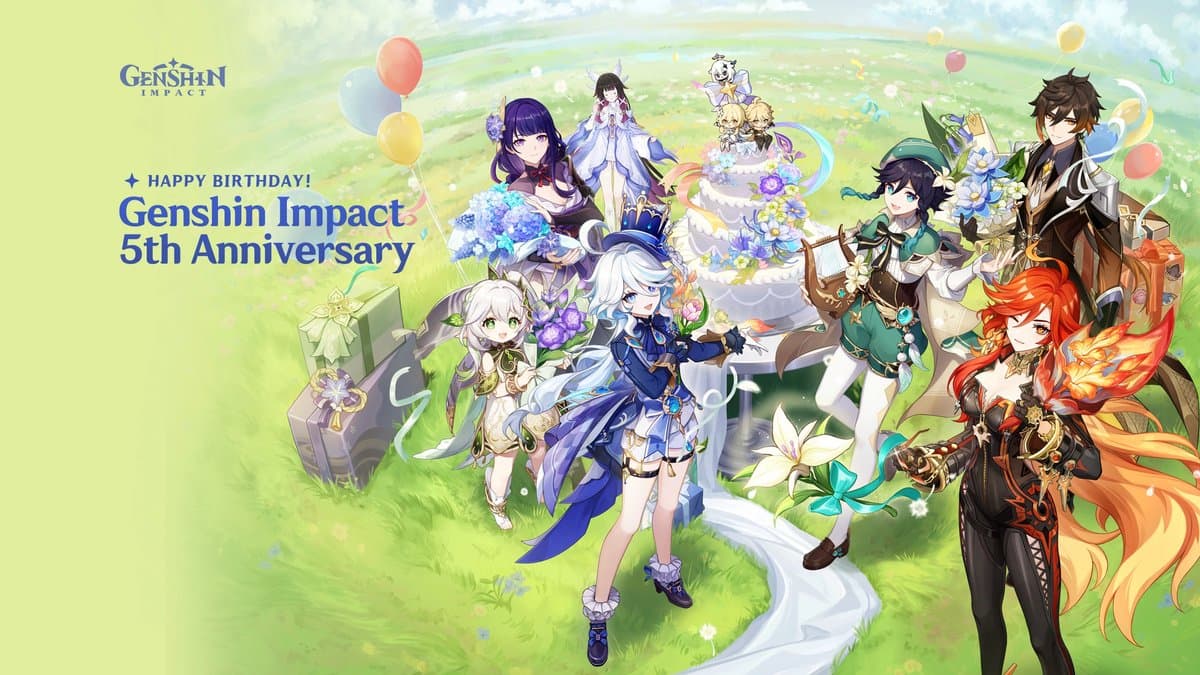
There is a week, once a year, when your gacha game stops acting like it is trying to take your money and starts acting like it is trying to give it away. A free character lands in your inbox. Login rewards balloon. The event hands out currency in fistfuls. The banner headlining the patch is, almost suspiciously often, the strongest or most-wanted unit of the entire cycle. If you have played any live-service gacha for more than a year, you have felt this rhythm: the anniversary patch is the one where the faucet opens.
It looks like a birthday party the studio is throwing for you. It is closer to the most carefully planned sales day on the entire calendar, and understanding what it is actually for changes how you should approach it, both as a player deciding where to spend and as someone deciding whether to come back at all.
Why the generosity is concentrated, not constant
A gacha game does not make its money evenly across the year. It makes it in spikes, and the anniversary is the biggest spike a studio can manufacture on purpose. Three audiences all converge on that one week, and the rewards are tuned to catch each of them.
The first group is the lapsed player. Everyone who quit three months ago still has the app installed and still gets the notification. "Free five-star, log in for the anniversary" is the single most effective re-engagement message a live-service game owns, because it costs the returning player nothing to check and it drops them straight back into a version of the game that looks richer than the one they left. A studio will happily give away a premium unit to a hundred thousand dormant accounts if a meaningful slice of them stick around and eventually spend.
The second group is the fence-sitter, the active player who has been saving and has not pulled in a while. The anniversary hands them a currency windfall precisely when the best banner of the year is live. That is not a coincidence of scheduling. The windfall exists to be spent on the banner sitting right next to it, and pairing "here is a pile of currency" with "here is the unit you have wanted for months" is a far more effective nudge than either half alone. It is the same saved-currency-meets-hype timing that drives every banner decision, just amplified to the loudest point on the calendar.
The third group is the whale and the returning spender, and for them the anniversary is a status event as much as a sale. New cosmetics, the flashiest event story, a headline unit worth showing off: the patch is built to make spending feel celebratory rather than routine.
So the generosity is real, and it is also a tool. The free stuff is the cost of getting all three groups into the game in the same week, where the banner and the shop can do their work.
The anniversary curse nobody at the studio wants
Here is the twist that makes the anniversary genuinely dangerous for a developer, and genuinely interesting to watch as a player: the same event that can save a game can also detonate it.
Because expectations compound. Every anniversary sets the floor for the next one. Give players a free five-star and a huge currency payout in year one, and year two's package is measured against that, not against a normal patch. Players talk to each other across games, too, so the rewards get benchmarked against whatever rival title was most generous that season. A package that would have looked lavish in a vacuum can read as an insult if the community decided, before it even dropped, that it would be bigger.
The genre has a famous scar here. When one of the biggest games in the space handed out an anniversary reward its enormous, high-spending playerbase judged to be stingy, the backlash was severe enough to tank the app-store rating overnight and dominate the discourse for weeks. The lesson every studio absorbed from that: the anniversary is the one patch where under-delivering does not just lose you a sale, it can turn your most engaged players into your loudest critics at the exact moment the most lapsed players are checking back in. It is the highest-leverage patch in both directions.
That tension is why anniversaries have gotten steadily more generous across the whole genre. Studios are not competing to be kind. They are competing to not be the one that triggers the review-bomb, and the safest way to avoid it is to keep raising the floor.
What the anniversary is actually good for, as a player
None of this means the free stuff is a trick you should resent. It is genuinely the best value week of the year. It just rewards a little planning instead of a little impulse.
- This is the week to spend saved currency, not to spend cash. The banner is strong on purpose and the currency payout is large on purpose. If you have been saving through the reruns, the anniversary is usually the intended payoff. The whole system is designed to make this the moment your reserve is fattest and the target is most worth it.
- Grab everything free before you think about anything paid. The login units, the event currency, the free-pull tracks: clear all of it first. A surprising amount of the "generosity" is stuff you only miss by not showing up, and the value there is pure.
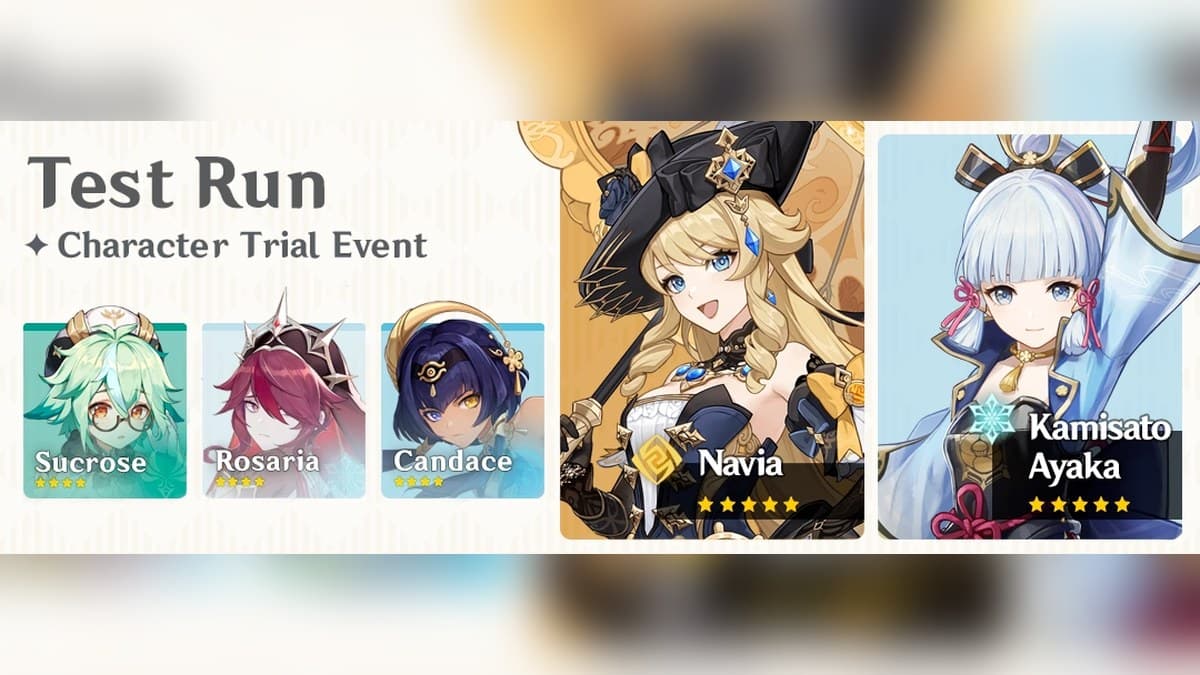
- Do not let the celebration rush your pulls. The anniversary manufactures urgency by stacking hype, currency, and a headline banner in one window. The trial character will be there, the numbers will look incredible, and the countdown will be loud. Run the trial, then still ask the boring questions: does this unit fill a role I have open, and will I enjoy playing it at my investment level? A great banner is only a great pull if it is a great pull for your account.
- Cross-check the headliner before you commit the windfall. The strongest unit of the cycle is not automatically the right unit for you. Read the who-to-pull breakdown and the current banner verdicts before you dump a year of savings, because the anniversary rewards patience but punishes autopilot.
The healthiest way to read the party
The anniversary is one of the few moments where the interests of the player and the studio genuinely line up. The developer wants you back, engaged, and happy, and the price of that is a real pile of free value handed to everyone who shows up. You do not have to pretend it is charity to enjoy it, and you do not have to be cynical about it to spend wisely.
Treat it as what it is: the one week the game is most motivated to give you a good deal. Collect everything free, spend the savings you were always going to spend, ignore the manufactured urgency around the paid extras, and let the studio have its big number. That is a fair trade, and unlike most of what the genre sells, it is a trade where showing up is the entire cost.