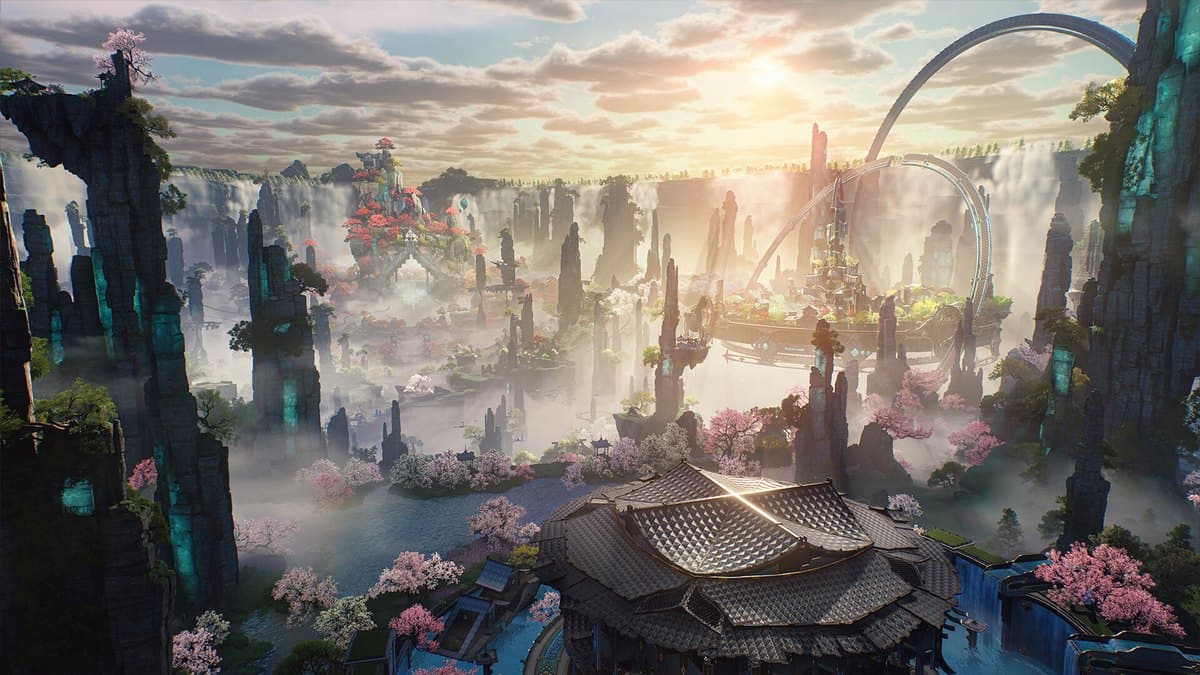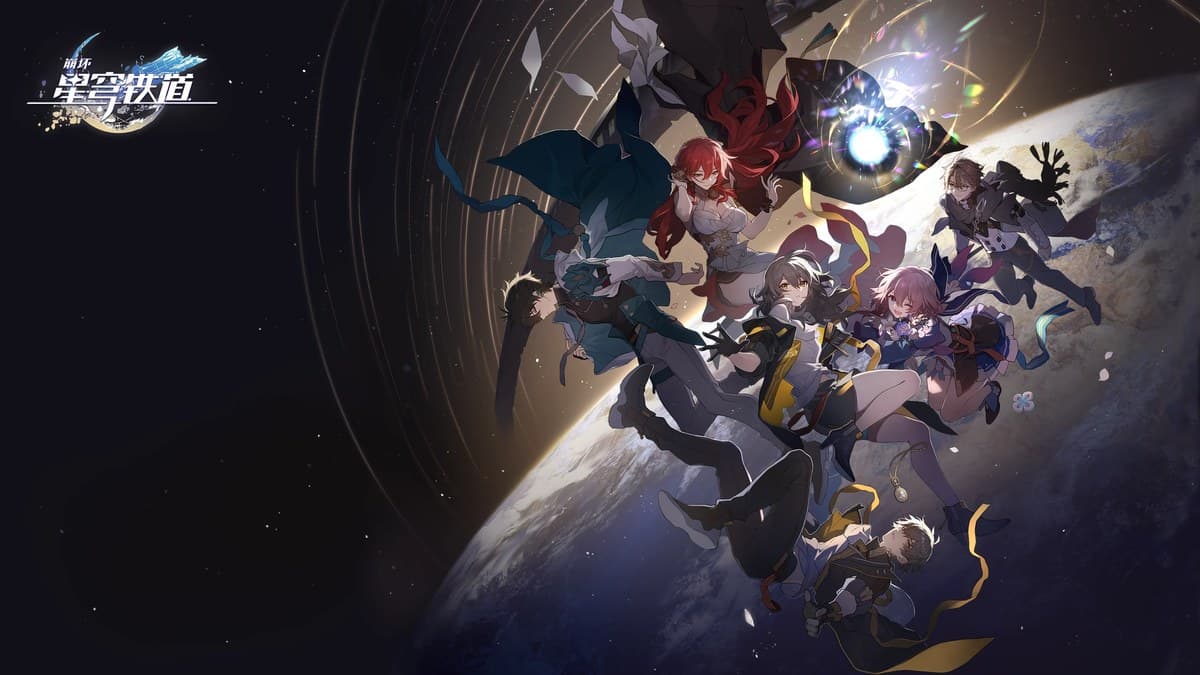
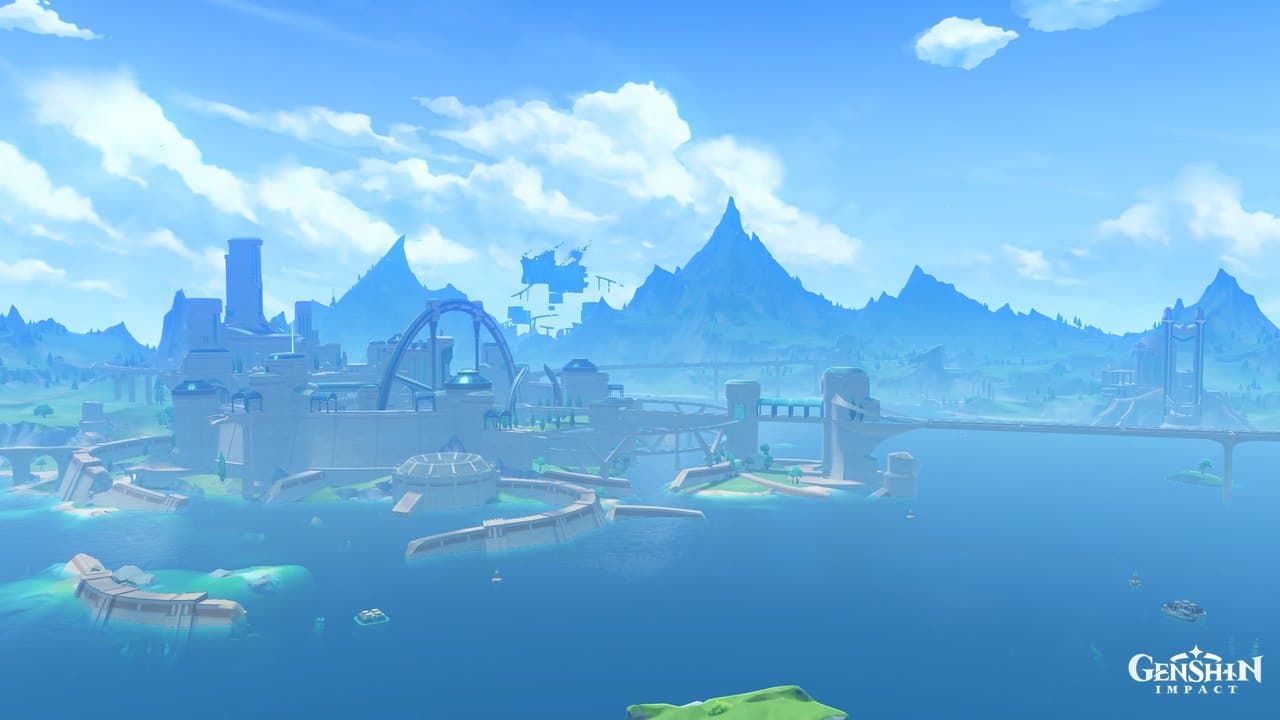
There is a particular kind of player who finishes the new region, banks the pulls, and then spends the next hour not fighting anything. They are crouched behind a waterfall waiting for the in-game clock to hit golden hour, rotating the camera a degree at a time, killing the UI, and trying to get their five-star to stand exactly where the light falls. They are not grinding. They are shooting.
For a growing share of the gacha audience, this is the endgame. Not the abyss, not the leaderboard, not the meta. The pictures.
How a hobby became an endgame
Gacha games solved a problem their own success created. The genre pours enormous money into character art, world design, and lighting, and then most of that beauty scrolls past during a fight nobody is looking at. Photo mode is the release valve. It gives the art a second life the moment combat is over, and it gives the player a reason to keep opening the app on a day with nothing to farm.
That is the quiet genius of it. Every other endgame in the genre eventually runs dry: the content drought between patches is real, and the daily login loop burns people out. Virtual photography does not. There is always another angle, another outfit, another patch of scenery you have not framed yet. It is the one activity in a live-service game that never posts a "come back in 14 days" timer.
The games that lean in
Not every title treats the camera equally, and the ones that invest get rewarded with a permanent stream of free marketing.
- Genshin Impact built the template: a proper camera gadget, poseable characters, an in-world time-of-day system that photographers plan whole sessions around, and regions like Fontaine and Sumeru that are essentially built to be shot.
- Wuthering Waves and the newer open-world entries ship with photo tools as a launch feature now, not an afterthought, because the audience expects it.
- Even tighter, non-open-world games understand the pull. A striking splash screen, a good idle animation, a character birthday illustration: all of it feeds the same instinct to capture and share.
When a publisher adds a new pose set, a fresh filter, or a scenic vantage to a patch, they are not adding an endgame in the traditional sense. They are adding fuel to a fire the community keeps burning on its own.
The community that formed around it
Screenshot culture is not a solo habit. It is a whole social layer.
Every major game has its photography hashtags, its weekly community shots, its accounts that do nothing but post immaculately framed stills. This sits right next to the genre's other unpaid creative economies: the fan artists and the theorycrafters. A great screenshot is a low barrier to entry version of fan art. You do not need to draw, you need patience and an eye, and the game hands you a AAA-quality subject for free.
Publishers noticed. In-game photo contests, official reshares, and event challenges that ask you to submit a shot are now standard. The player gets recognition; the studio gets a feed full of their own game looking gorgeous, credited to real fans instead of a marketing budget. It is the cheapest, most credible advertising in the genre, and the players volunteer for it.
Why it matters more than it looks
It is easy to dismiss photo mode as a toy. It is not. It is a retention feature dressed as a hobby.
Think about what it does to the numbers. A player with nothing left to farm still has a reason to log in. A whale who bought the skin has a reason to show it off, which becomes free promotion for the next person deciding whether the skin is worth it, feeding the cosmetic economy. A lapsed player scrolling their timeline sees one perfect shot of a new region and reinstalls. The screenshot is the funnel.
It also quietly changes what "good" character design means. A unit that photographs well, that has a silhouette and an outfit and animations built to be paused, generates more community content and more visibility than a mechanically strong unit with a forgettable look. In a genre where attention is the product, being photogenic is a stat.
The takeaway
The next time a patch drops and you clear it in an afternoon and wonder what there is left to do, look at what the most engaged players are doing. A lot of them are not chasing a number. They are chasing a shot. Photo mode is the endgame nobody markets as one, the feature that costs the studio almost nothing and keeps players opening the app long after the content well runs dry.
It turns out the most durable thing a gacha game can offer is not a harder boss. It is a better view. If you want to see which games are actually worth photographing, our roundup of the best-looking gacha games in 2026 is a good place to start planning your next session behind the lens.