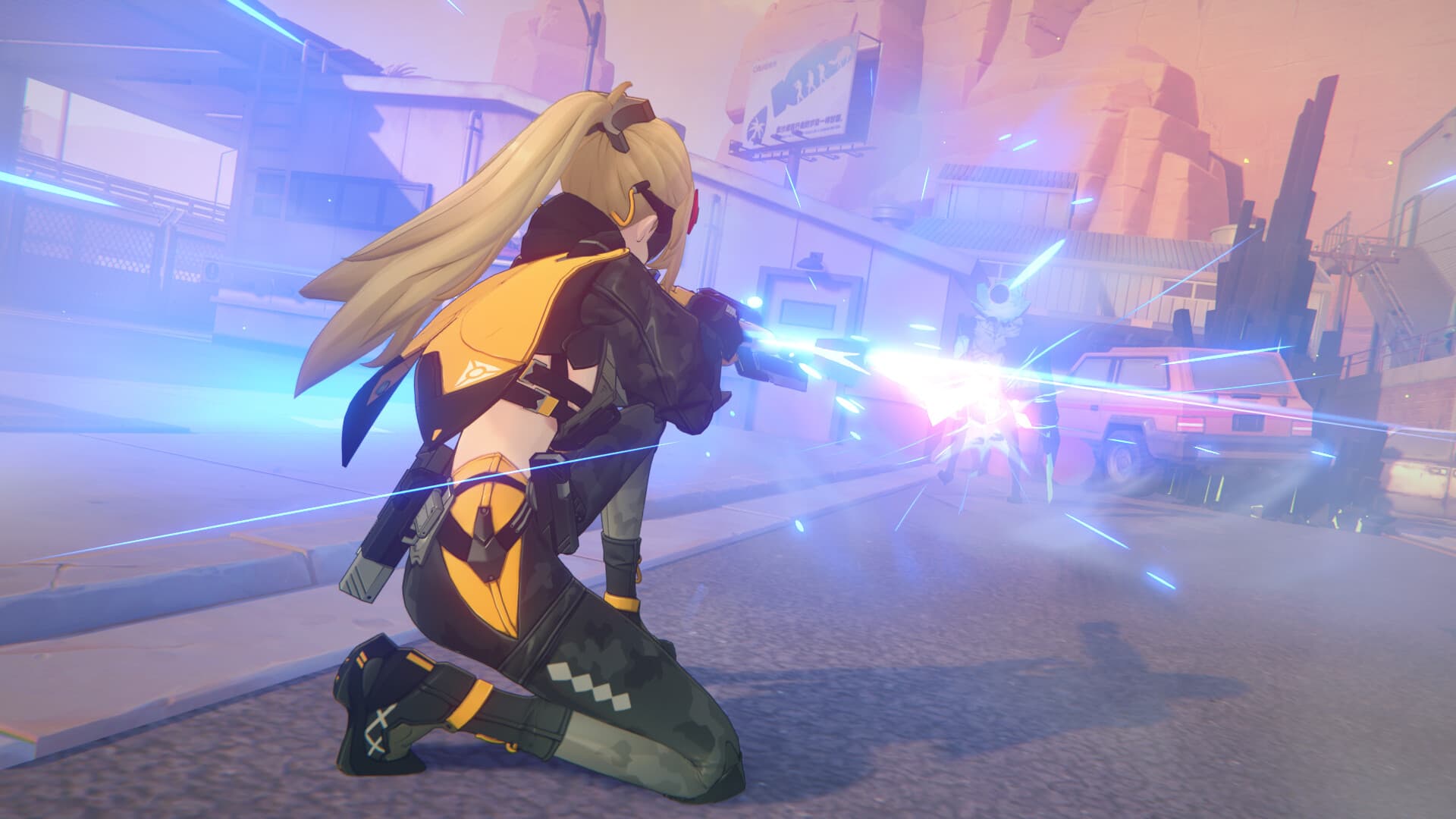
There is a strange truth about gacha spending in 2026: the players most proud of never spending on the banner will, without a flicker of guilt, drop real money on a costume. The gacha is gambling and they know it. The skin is just a nice jacket for a character they already love. And so the money moves, quietly, out a door nobody is guarding.
Cosmetics have become the genre's second wallet. The banner gets the outrage and the pity-count spreadsheets; the skin shop gets the actual, repeatable, low-drama income. Understanding why is worth more than any drop-rate debate.
Why skins slip past the defenses
A banner pull triggers every alarm a cautious player has installed. It is random, it is expensive, and it dangles a chance you will get nothing you wanted. People build rules to survive it: pull only on guarantee, budget in pulls not dollars, walk away at the 50/50.
A skin defeats all of those rules by being everything the banner is not. It is a fixed price for a known thing. You see exactly what you are buying, you pay, you own it, done. No pity, no odds, no loss. For a brain that has spent months learning to distrust randomness, a direct purchase feels not just safe but virtuous, the responsible way to spend on a game you enjoy. The skin shop is where self-control goes to make an exception.
That is the whole trick. The friction that protects players from the banner simply is not present at the cosmetic counter, and revenue flows to wherever the friction is lowest.
The costume as a status object
Skins are not really about the polygons. They are about what wearing one says.
A limited seasonal outfit is a small, visible flex. In games with any social surface, a co-op lobby, a shared hub, a friends list, a paid skin marks you as someone who was here for that event, who cares about that character enough to dress them up. It is a collector's pin worn in public. The rarer and more time-limited the costume, the louder the signal, which is why so many of them are sold once and never re-run.
There is a softer version too, and it is the one that funds the genre. Attachment. A player who has spent a hundred hours with a character stops seeing a unit and starts seeing their unit. A costume is a way to spend on that relationship without gambling on a new one. It is the gacha equivalent of buying a good frame for a photo you already have. The developers know this precisely, which is why the best-selling skins almost always go to the most beloved, most-used characters, not the flashiest new arrivals.
The design tells on itself
Watch how carefully these games separate the two systems and you can see the strategy in the architecture.
- Skins are usually not gacha. Even in a game whose entire economy is randomized, costumes are overwhelmingly sold at a flat price. That is a deliberate choice to keep the "safe" money clean and guilt-free.
- They rarely touch power. A cosmetic that gave stats would drag the skin into the pay-to-win argument and poison the frictionless sale. Keeping skins purely visual is what lets a free-to-play purist buy one and still call themselves free-to-play.
- They lean on time pressure, not chance. The banner uses odds to extract money. The skin shop uses the calendar: available now, gone after the event, maybe back someday. It is the same fear of missing out the banners run on, just wearing a nicer coat.
None of this is hidden. It is simply so well-mannered that most players never think to be annoyed by it, which is the highest compliment a monetization system can earn.
Where it curdles
The model is not automatically benign. It tips into something uglier in a few recognizable ways.
The first is when a "cosmetic" quietly stops being cosmetic. A skin that adds a new animation, a screen-filling ultimate effect, or a subtle quality-of-life tweak starts to blur the wall between vanity and advantage, and the moment power creeps into the outfit shop, the guilt-free purchase is gone. The second is volume. A game that ships a new premium costume every two weeks turns the "occasional treat" into another recurring bill, and the second wallet starts to feel exactly like the first. The third is the re-run question. Selling a skin once and vaulting it forever maximizes urgency, but it also breeds resentment in players who arrived late and can never buy the thing they would have gladly paid for.
The healthiest cosmetic economies resist all three: they keep skins visual, space them out, and bring old ones back around. It is not charity. A player who trusts the skin shop is a player who keeps buying from it for years.
What it says about the genre
The rise of the cosmetic wallet is, in a roundabout way, good news. It is the clearest proof that these games can make money from affection instead of anxiety. A skin sale is a player saying I like this character and I want to spend on that, full stop, no gambling required. Every dollar that moves from the banner to the costume shop is a dollar earned with less coercion.
The catch is that it only stays that way as long as the wall holds. The second wallet is powerful precisely because it feels different from the first. Keep it visual, keep it fair, keep it occasional, and it is arguably the most honest transaction in the whole genre. Let power or greed leak across the wall and it becomes just another banner, this time with no pity counter to protect anyone.
For more on how these games turn attachment and scarcity into spending, see our reads on the C0 versus dupe FOMO problem and the true cost of anniversary season.