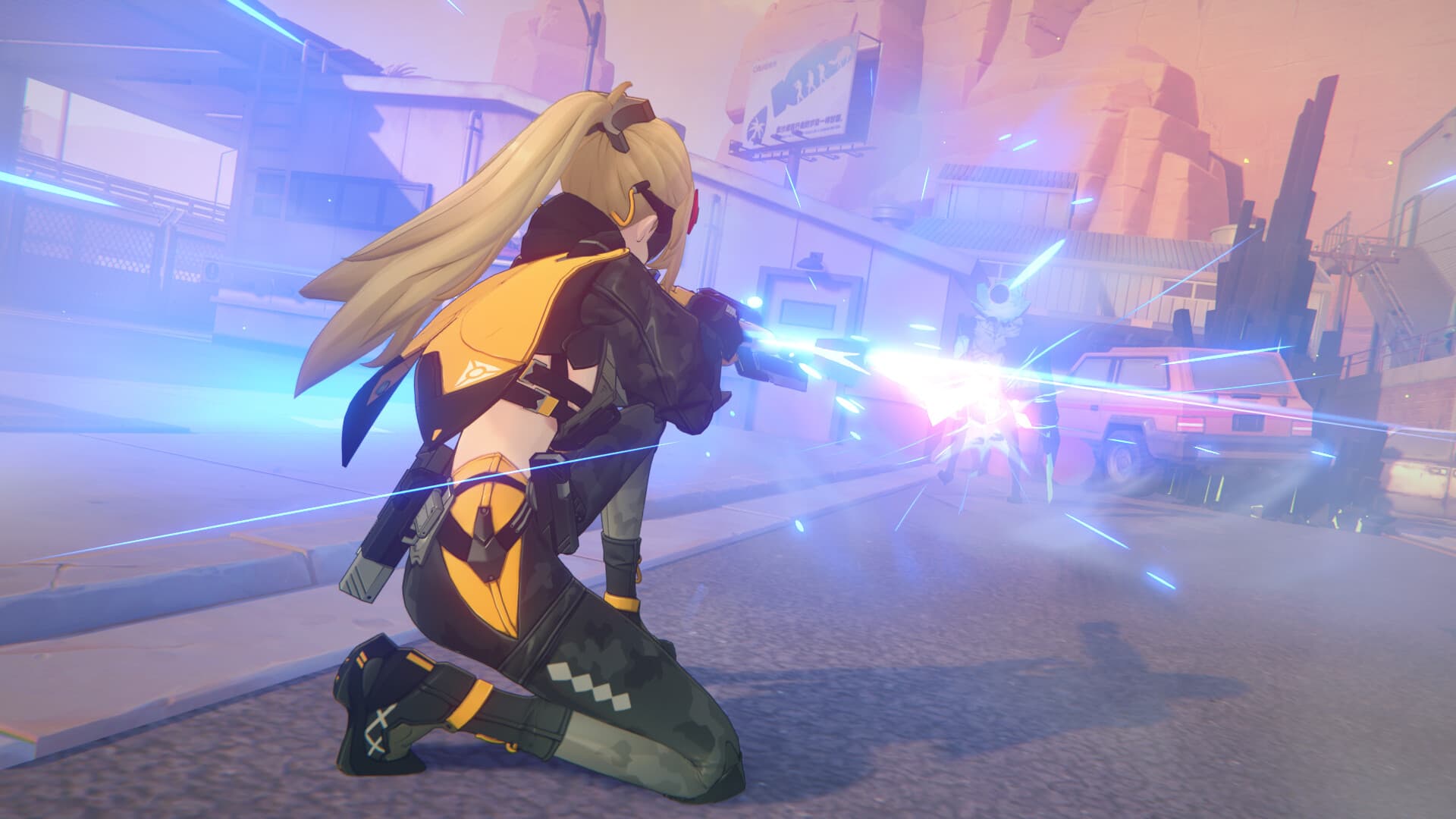
There is a ritual almost every gacha player performs before they truly begin: the reroll. Start an account, skip the story, claim the free pulls, check the result, and if the dice were unkind, wipe it all and start again. Ten minutes a loop, over and over, until the game finally coughs up the character you wanted to begin with. It is the genre's oldest side-quest, and it happens entirely outside the game the developers thought they were selling.
What is interesting is not that players do this. It is what grew up around it.
Why rerolling exists at all
Rerolling is a rational response to a specific design choice. When a game front-loads a pile of free pulls for new accounts but makes those pulls random, it creates an obvious arbitrage: an account is only worth keeping if the free pulls land well, and accounts are free to make. Multiply low six-star odds by unlimited retries and you get a grind with a guaranteed payoff, if you have the patience.
The players are not exploiting a bug. They are following the incentive the game laid down. A generous welcome bonus attached to a random outcome is, functionally, an invitation to reroll, and the community accepted the invitation the way water accepts a downhill slope. Some games lean in, adding fast tutorials and account-wipe buttons that all but admit the reroll is expected. Others resist it with account binding and story you cannot skip, which does not stop rerolling so much as make it more annoying.
The honest read is that rerolling is a symptom. It flourishes exactly where the opening pulls are both valuable and random, and it fades in games generous enough that your starting roster does not really matter. When a game hands new players a selector, or makes every unit viable, the reroll grind quietly dies, because there is nothing left to arbitrage.
From grind to gray market
Here is the turn. Any time a task is tedious, repeatable, and produces something people want, someone will offer to do it for you. Rerolling checks all three boxes, and so a market appeared: pre-rolled starter accounts, sorted by which rare units they contain, sold to players who would rather pay a few dollars than run the loop fifty times themselves.
It is a small, grubby, remarkably efficient economy. Sellers automate the reroll or grind it at scale, then list the good outcomes. Buyers skip straight to a stacked opening. The whole thing runs on the same logic as any other convenience purchase: your time has a price, and ten minutes times fifty attempts is a lot of time.
We are not here to hand you a shopping guide, because the trade sits on genuinely shaky ground. Almost every game's terms of service prohibit selling accounts. Buyers have little recourse when a purchased account is recovered by its original creator, banned in a sweep, or simply reclaimed by the seller who still has the credentials. And the same account markets are a well-known vector for scams and stolen payment data. The gray market is real, it is large, and it is a bad deal dressed as a shortcut. That is the calm, sourced version: it exists, it is against the rules, and it mostly burns the person who thought they were being clever.
What the trade reveals
Strip away the mechanics and the account market is a mirror. It exists because these games have decided, through their design, that a new player's opening luck is worth money, and the market simply put a price tag on what the developers implied. The reroll is the game saying your first pulls matter enormously. The account trade is players taking that claim literally.
The games that have grown past it are quietly the healthier ones. When your starting roster is not a lottery ticket, the entire ecosystem of reroll guides, account listings, and buyer's-remorse threads has nothing to feed on. Generosity is not just good for players; it starves the gray market of its oxygen.
If you are starting a new account
You do not need the market, and you should not use it. The legitimate version of a strong start is boring and free:
- Reroll yourself if you want the head start. It is tedious but it is your account, bound to your login, unbannable, and unscammable. Our Reverse: 1999 reroll guide walks through a clean ten-minute loop that applies, in spirit, to most games in the genre.
- Prefer games and banners with a selector. A guaranteed choice removes the entire reason the reroll grind and its market exist. When a game lets you pick, luck stops being a commodity.
- Do the value math honestly. Before you decide a stacked account is worth paying for, price out what these games actually cost over time using the cost breakdown. A bought head start is a tiny slice of a very long road, and it is the slice most likely to blow up in your face.
- Bind your account the second you commit. Most sob stories about lost accounts start with a login that was never secured.
The reroll will probably always be with us, at least until more studios decide a new player deserves a warm welcome instead of a slot machine. Until then, the smart move is the unglamorous one: do it yourself, or better, play a game generous enough that you never have to. For more of the community's debates around how these games treat their players, that is the whole point of our Culture beat.