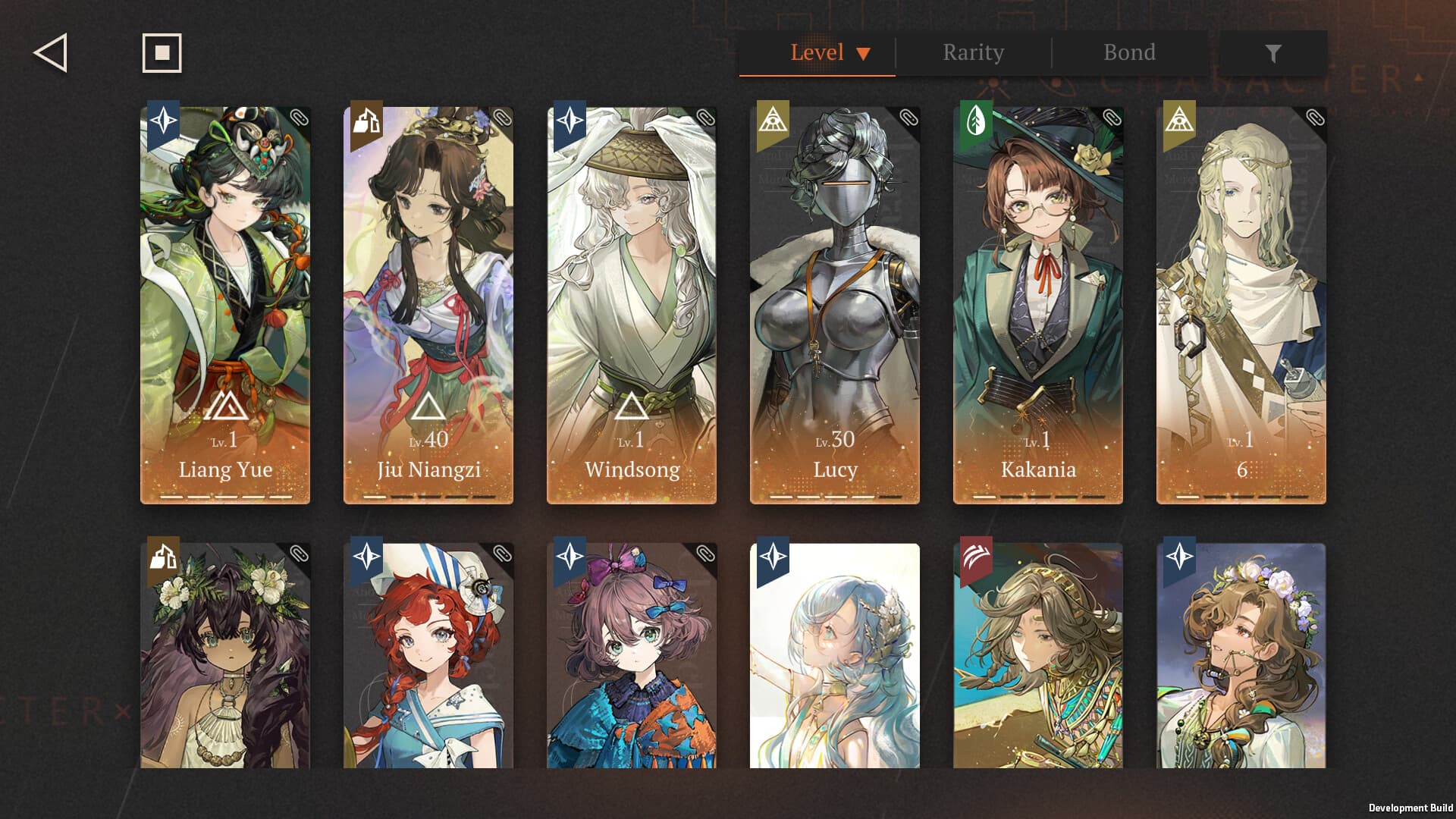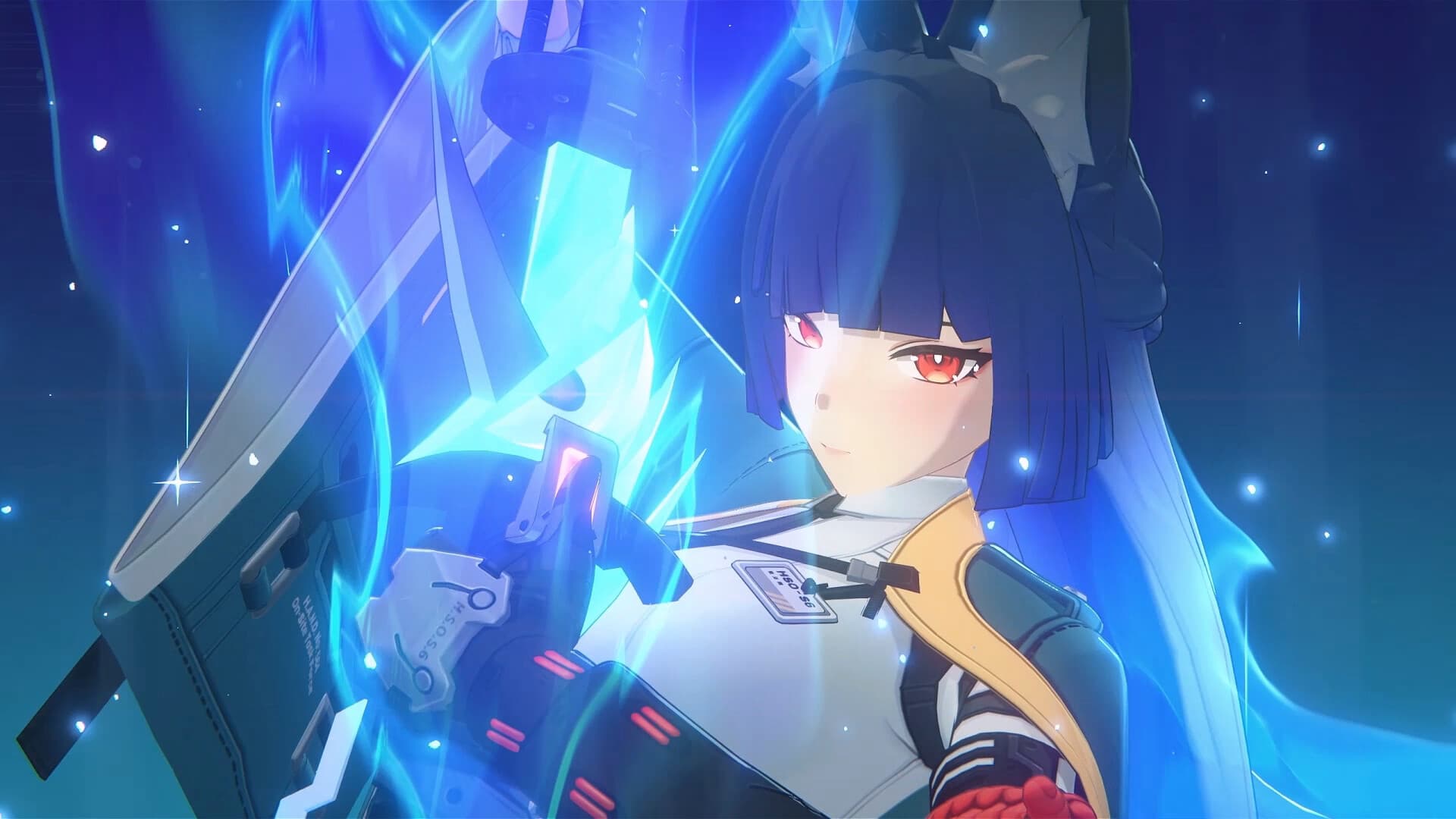
Watch what happens in the hour after a gacha studio reveals a new character. The kit speculation starts, sure. But the thing that really tells you whether a unit will stick is the art. Within hours, sometimes minutes, the fan illustrations begin: quick sketches, polished pieces, redraws, jokes, the character reimagined in a dozen outfits and moods by people who have never touched the game's code and never will. A reveal that produces a wave of that is a hit. A reveal that produces silence is a problem the studio can measure.
Banner sales pay the bills, but fanart is the engine that decides which characters become culture. And the studios know it. Modern gacha design is quietly, deliberately built to be drawn.
Characters are engineered to be drawable
Look closely at why certain designs explode and others fade, and a pattern emerges. The characters that generate the most art tend to share traits that have nothing to do with their damage numbers and everything to do with how easy and fun they are to reproduce.
A strong, readable silhouette. A tight, memorable color identity, often a signature palette an artist can nail from memory. One or two distinctive props or motifs that act as instant shorthand. A clear personality that suggests a hundred situations to draw them in. These are illustration hooks, and the best character designers build them in on purpose. A unit that is a joy to draw becomes a unit that is everywhere, and a unit that is everywhere sells, because you cannot forget to want something your entire feed is showing you.
That is the loop studios are really chasing. The art is free marketing that compounds. Every fan piece is an impression the studio did not pay for, aimed at exactly the audience most likely to pull.
The artists are doing real labor
It is worth being blunt about this: the fanart economy runs on enormous amounts of uncompensated and under-compensated work. Fan artists spend hours on pieces that promote a billion-dollar game for nothing but reach and the love of the character. A popularity ranking that studios watch and respond to is, functionally, a volunteer marketing department.
Some of that work does convert. A visible fandom artist can build a commission business, a following, a print table at a convention, a career pipeline into the industry that produced the character in the first place. The symbiosis is genuine and often warm. But it is asymmetric, and the healthiest corners of these communities know it, which is why "support the artist, credit the artist, do not repost without permission" became a core social rule long before any studio said a word about it.
There is a competitive edge to it, too. The race to post the first good piece of a new character is real, and being early on a unit that blows up can define a smaller artist's month. Reveal day is not just hype for players. For a chunk of the community, it is a starting gun.
The metrics nobody officially publishes
Fanart volume has become an unofficial but closely watched signal of a character's health. You can feel a studio reading it. Units that generate a torrent of art get reruns, alternate versions, skins, and story focus. Units that land with a shrug quietly recede. It rhymes with the alt-version economy, where the characters that get seasonal reworks are almost always the ones the fandom kept drawing.
None of this shows up in a patch note. But the correlation is strong enough that community members treat the size of a character's art tag as a rough proxy for how much the studio will invest in them next. Popularity begets support begets more popularity. The art is both the cause and the scoreboard.
Then AI walked into the room
The comfortable version of this story has been complicated, hard, by generative image tools. Fandom art tags that used to be a clean signal of human enthusiasm are now diluted with machine-generated pieces trained, in many cases, on the very artists those fandoms are built around. For a community whose entire social contract was "credit the human who made this," that is not a small disruption. It is an attack on the foundation.
The response across gacha art communities in 2026 has been protective and increasingly organized. No-AI tags, human-only events, tighter norms about disclosure, and a hard line about scraping. Artists who spent years building the free marketing engine that keeps these games alive are, understandably, not thrilled to see that same body of work fed into a machine that reproduces their style without them. It has made a lot of fandoms think harder than they ever expected to about consent, attribution, and what a "fan community" owes the people who actually draw.
Why it matters for the games
Studios that treat their art communities as partners, with clean fan-content policies, official showcases, and a real stance on protecting human work, are protecting the cheapest and most effective marketing they have. The ones that take the flood of free art for granted are standing on a foundation they did not build and do not fully understand.
Because the truth underneath all of it is simple. A gacha character does not become beloved because a spreadsheet said the kit was strong. It becomes beloved because thousands of people chose, for free, to spend their evenings drawing it. Keep an eye on which new characters set that engine running. It tells you more about the next year of a game than any banner calendar.
More on the people and habits behind these games in our ongoing gacha culture coverage.