The Short Answer
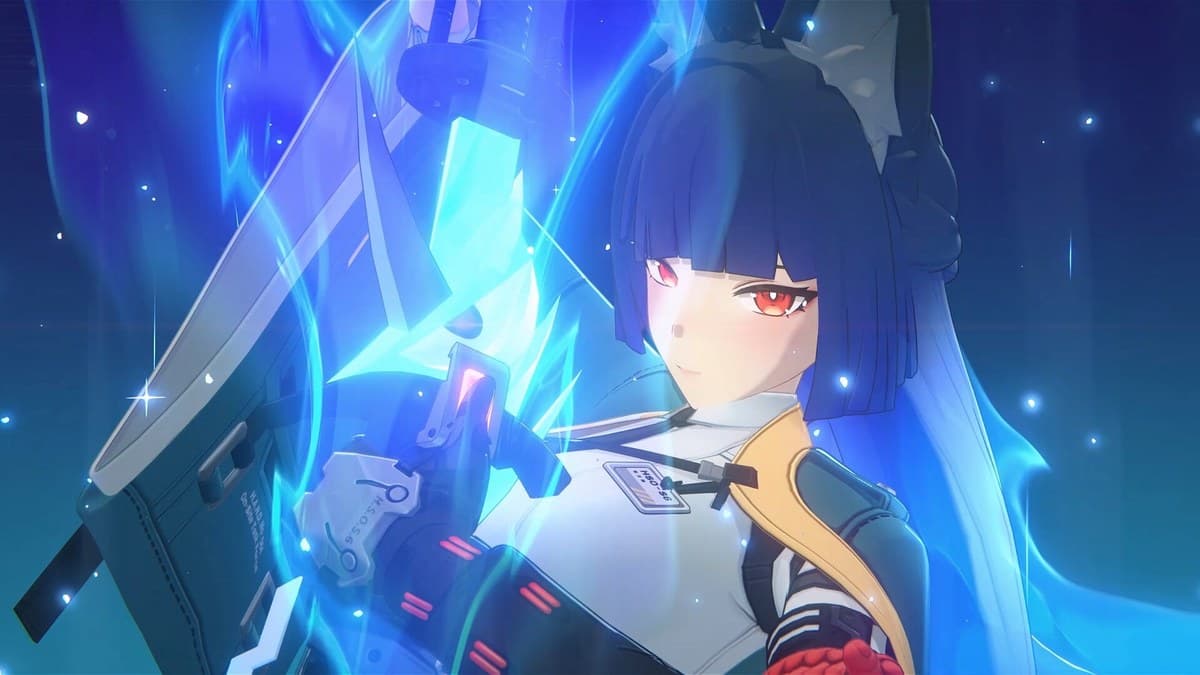
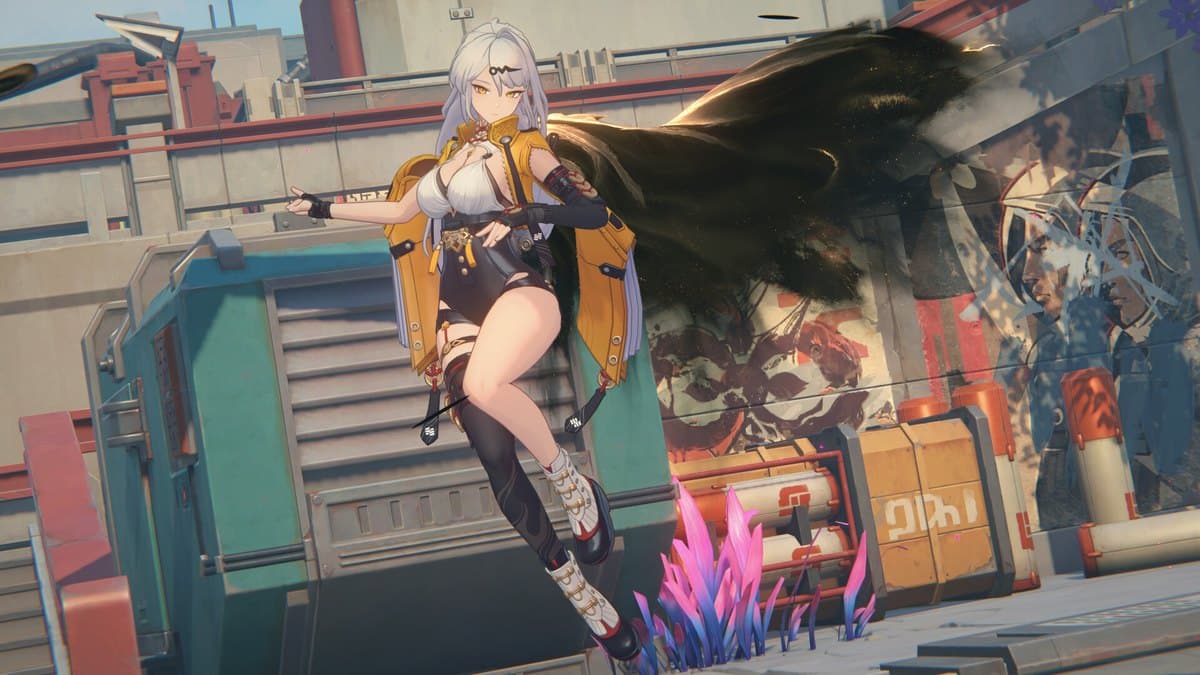
There is a move every big gacha game eventually makes, and 2026 made it impossible to ignore: they stop selling you new characters and start reselling you the ones you already own. Wuthering Waves just launched its first-ever SP (Special) version of a character, an alternate Yangyang who is mechanically a brand-new five-star. Honkai: Star Rail keeps shipping "Nova" and alternate-path versions of heroes already on your roster. Nikke reskins its entire cast into swimsuits every summer and charges gacha rates for the privilege. The alternate-version character has become one of the most dependable revenue tools in the genre, and this piece is about why it works so well, why players keep paying for a character they technically already have, and the ways the model quietly erodes the thing that made these games special.
What an "Alt" Actually Is
An alternate version, an "alt," is a familiar character repackaged as a new pullable unit. It is not a skin. It usually comes with a different element, a different role or combat Path, a new kit, and a new banner you have to roll on to get it. The character you know is the hook. The mechanically distinct unit underneath is the product.
The forms vary by game:
- The mechanical alt. Wuthering Waves' first SP character takes an existing Resonator, Yangyang, and rebuilds her as a new five-star with her own kit. Honkai: Star Rail's "Nova" and remembrance-style variants do the same, taking a known face and giving it a new element or Path so it functions as a completely separate unit.
- The seasonal alt. Nikke's summer variants, like the wave of swimsuit units in its Wave to You update, reskin existing characters into limited seasonal versions with different mechanics, timed to a season and a mood.
- The evolution alt. A newer, stronger take on a character positioned as a glow-up, which conveniently also power-creeps the original you spent resources building.
Whatever the flavor, the trick is the same: sell familiarity as if it were novelty.
Why It Works So Well
Alts are not a lazy shortcut. They are, from a business standpoint, close to a perfect product, and it helps to be honest about why.
- The attachment is already built. A brand-new character has to earn your investment from scratch. An alt of a character you already like inherits years of it. The hardest part of selling a unit, making you care, is done before the banner goes live.
- They are cheaper to make. The character design, voice, and identity already exist. An alt reuses that foundation and mostly needs a new kit and art, which is far less work than an original character from zero.
- They exploit the collector's itch precisely. For the waifu-and-husbando collector, a new version of a beloved character is close to impossible to skip. The game is not selling power. It is selling "more of the character you already love," which is a much harder pull to resist.
- They double as power-creep. An alt is often stronger than the original, which quietly nudges you toward pulling it to stay current, a dynamic we covered in the power-creep panic. You are not just buying nostalgia. You are buying back your own relevance.
The Player's Side of the Bargain
It would be easy to frame this as pure exploitation, but players are not being tricked, and plenty get real value. A good alt can revitalize a favorite character who had fallen out of the meta, hand you a fresh way to play someone you are attached to, and give a beloved design the kit it always deserved. For a lot of people, "my favorite is finally good again" is worth every pull, and there is nothing wrong with spending on a character that genuinely brings you joy.
The alt model also tends to be more honest than the endless treadmill of forgettable new units. At least you are pulling for something you actually care about, rather than a stranger the game is trying to convince you to love in a two-week banner window.
Where It Curdles
The problems are real, though, and they compound.
It devalues your existing investment. When the game sells a stronger version of a character you already leveled, geared, and built, it is quietly telling you that work is now second-tier. The resources you spent do not disappear, but their relevance does.
It crowds out genuine novelty. Every banner slot spent on an alt is a slot not spent on a new character, a new archetype, or a new idea. A roster that leans too hard on reselling itself starts to feel like it is running out of things to say, feeding straight into the endgame and content drought players complain about.
It raises the real cost of keeping up. Alts multiply the number of "must-pull" units without adding new characters, which stretches your resources thinner and pushes the true cost of staying current higher. You are paying more to stand still.
It can feel like a betrayal of the character. There is a particular sting when a character you loved gets an alt that is clearly designed to obsolete the original, rather than to celebrate them. The line between "here is a new way to enjoy your favorite" and "pay again or fall behind" is thin, and not every game stays on the right side of it.
The Honest Read
The alt-version economy is here to stay, because it sits at the exact intersection of what players want and what studios need: players are attached to specific characters, and studios need reliable revenue from content that is cheaper to produce. When it is done with respect, a thoughtful kit, a character who genuinely needed the help, a seasonal variant that is a fun bonus rather than a mandatory upgrade, it is one of the healthier things gacha does, because at least you are spending on something you love.
The thing to watch, as a player, is not whether a game sells alts. They all will. It is whether the alts are gifts or hostages. An alt that makes a favorite fun again is a gift. An alt engineered to make the version you already own irrelevant unless you pay again is a hostage situation dressed up as a celebration. Learn to tell the two apart, and the alt economy becomes a lot easier to enjoy on your own terms. For more on how these systems tug at your wallet, see our breakdown of the 50/50 and gacha copium and the summer anniversary cost that alts so often ride in on.