The Short Answer
Spend five minutes in any gacha community and you will hit a wall of words that make no sense from the outside: copium, hopium, the 50/50, pity, "it's so over," "we're so back." It reads like meme noise. It is not. This is a shared emotional language the genre invented to cope with one specific thing: you are handing over money or months of grinding to a random number generator, and you cannot control the outcome. Every one of these terms is a tool for managing the anxiety, disappointment, and occasional euphoria that a randomness-based game produces on purpose. Learn the vocabulary and you understand the community, because the words are the coping.
This is a HostedGG community explainer. We are not here to mock the language or to romanticize it, just to make it legible and honest about what it is doing.
Why Gacha Needed Its Own Words
Most game communities talk about winning and losing. Gacha communities talk about luck and survival, because the core loop is not a test of skill, it is a negotiation with probability. When you pull on a banner, you are not earning the character, you are rolling for the chance at it. That single design fact creates emotions that ordinary gaming language cannot hold, so players built new words to hold them.
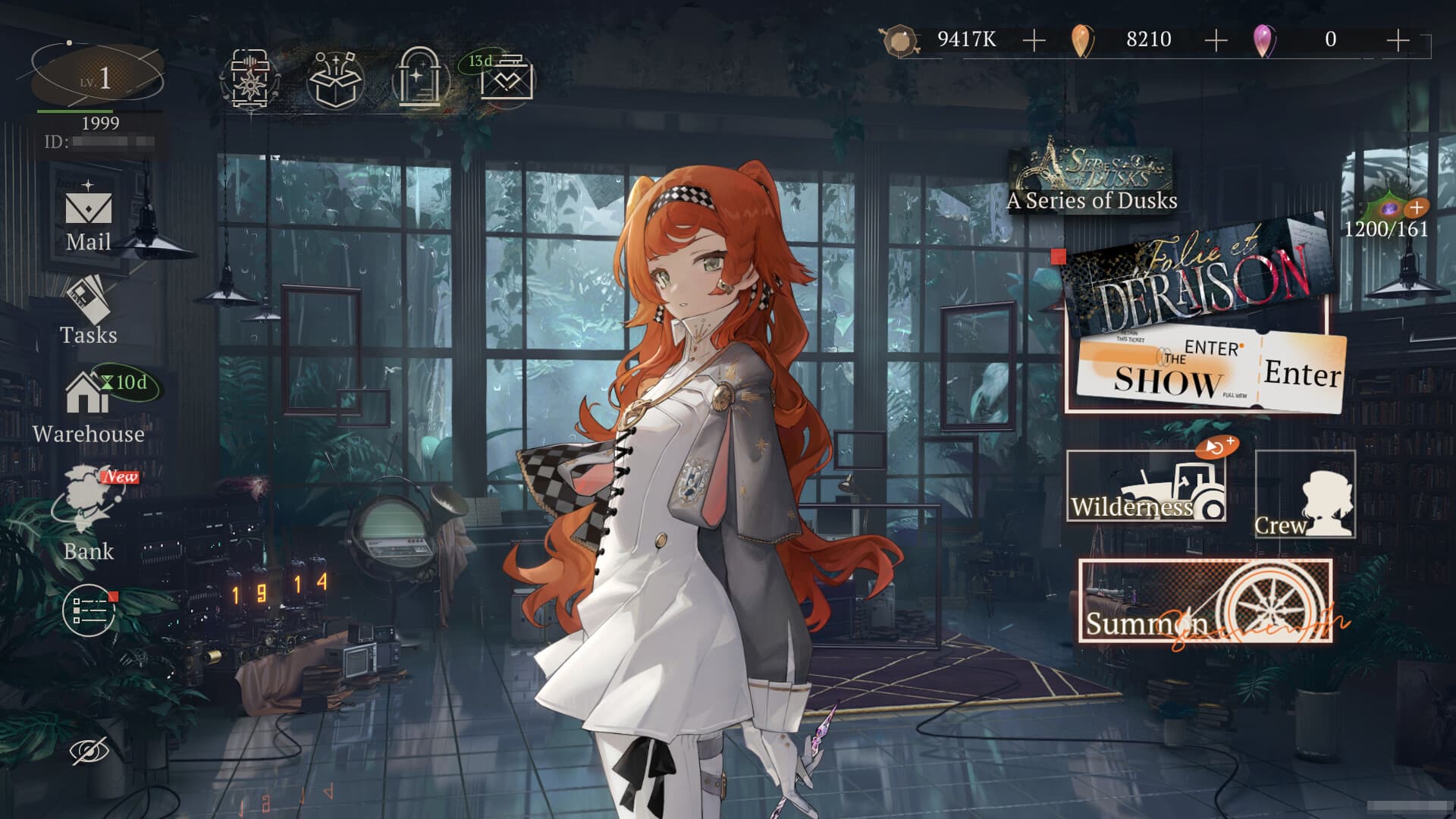
The result is a dialect that is equal parts statistics, gallows humor, and group therapy. It lets a stranger tell you they just spent 300 dollars and got nothing, and lets the rest of the thread respond with something more useful than pity. That is a real social function, and it is why the language spread across nearly every gacha game, from Genshin Impact to Honkai: Star Rail to Zenless Zone Zero to Reverse: 1999, with only minor dialect differences.
The Core Vocabulary
Here is the shared lexicon, and what each term is actually doing beneath the joke.
| Term | What it literally means | What it is really doing |
|---|---|---|
| Copium | "Cope" plus "opium": inhaling comforting delusion | Naming your own denial out loud so it hurts less |
| Hopium | Copium's optimistic cousin: hope you know is irrational | Permission to want something despite the odds |
| The 50/50 | The coin-flip on many banners for whether your guaranteed pull is the featured unit | The single most emotionally loaded moment in the genre |
| Pity | The counter that guarantees a result after enough pulls | The safety net that makes spending feel survivable |
| "It's so over" | Ritual despair after a bad pull or leak | Collective grieving, half-ironic, fully sincere |
| "We're so back" | The euphoric reversal after good news | Collective relief, and a running joke about how fast the mood swings |
| Whale / dolphin / F2P | Big spender / moderate spender / free-to-play | A shared map of how people relate to the paywall |
| Meta slave | Someone who only pulls the strongest units | Half insult, half self-diagnosis |
| Skill issue | "That is a you problem" | Deflecting, or admitting the game is not actually the obstacle |
The 50/50: The Emotional Center of the Genre
If one piece of this language matters most, it is the 50/50. On many gacha banners, hitting pity does not guarantee the character you want. It guarantees a top-rarity unit, and then flips a coin: win the 50/50 and you get the featured character; lose it and you get a random off-banner unit instead, with your next guaranteed pull then locked to the one you wanted.
This is why the community treats the 50/50 as a genuine event with its own folklore. People screenshot the moment. They talk about being "50/50 cursed." They celebrate winning it harder than clearing actual difficult content, because winning the 50/50 is the closest thing gacha has to a jackpot. It is also, quietly, the mechanic that best explains why the discourse swings so violently. The game is engineered around a coin flip that determines whether you feel rewarded or robbed, and the language grew to metabolize that.
If you want the sober, numbers-first version of how pity and the 50/50 work across different games, and what "guaranteed" actually costs, our pay-to-win cost ranking breaks it down game by game.
Copium as Community Care
It would be easy to read all of this as toxic, and some of it is. But most of it is the opposite. When someone posts a screenshot of a devastating pull and the thread floods with "it's so over" and copium jokes, that is not mockery. It is the community absorbing a bad beat so the person does not carry it alone. The humor makes the loss speakable. The shared vocabulary makes it collective instead of private.
There is a healthier and an unhealthier version of this, and the line is worth naming. Copium as a joke about your own denial is fine. Copium as a genuine strategy for justifying spending you cannot afford is not, and no amount of community solidarity changes that. The same language that helps a player laugh off a 10-dollar disappointment can also help a player rationalize a 500-dollar one. That is the tension our gacha controversies explainer keeps returning to, because the emotional culture and the monetization pressure are the same coin.
How the Language Reveals the Business
Here is the part that gets lost in the memes: the vocabulary is a map of exactly where the genre applies pressure. Words cluster around pain points. There is rich, evolved language for the 50/50, for pity, and for spending tiers, because those are the moments the design squeezes hardest. There is almost no special language for, say, the story quality or the combat, because those are not where the anxiety lives.
Read that way, the community's dialect is an honest, bottom-up audit of the business model. The healthiest games are the ones where the copium is mostly a bit, where players joke about bad luck but never feel financially trapped. The least healthy are the ones where the language curdles from humor into justification. If you want to see which games sit where on that spectrum, our action gacha rankings and cost breakdown are built to answer exactly that.
The Takeaway
Copium, hopium, and the 50/50 are not just internet noise. They are the tools a whole genre built to stay sane while negotiating with a random number generator for the characters it loves. The language is funny because it has to be, and it is shared because the alternative is suffering the pull alone. Understand the words, and you understand the community's real relationship with the games: affectionate, clear-eyed, and permanently one coin flip away from "we're so back."
Got a piece of gacha community language, folklore, or a story we should cover? This is the beat. Pitch us a community story. We cover it above the fray, and you can read how we hold ourselves to that in our editorial standards.