The Short Answer
The gacha community's 2026 blowups look chaotic, but they are really the same five tensions flaring up again: power creep, escalating monetization, AI art, regional trust, and reward expectations. Underneath all of them is one thing. Gacha is a trust business: you are paying, or grinding for months, on the promise that the studio will treat you fairly tomorrow. Every controversy on this list is a moment where players felt that promise wobble. Here is what each fight is actually about, without the outrage.
This is a HostedGG community explainer. We are not here to farm the drama, we are here to make it make sense.
1. Power Creep: The Forever Fight
The oldest argument in gacha, and the one that never ends. Power creep is when each new character is stronger than the last, quietly making the unit you invested in months ago feel obsolete. Players feel it as a treadmill: pull, invest, watch it get outclassed, pull again.
Here is the honest nuance most hot takes skip. In a PvE game, power creep mostly does not matter, because your old team still clears the content it always could; the game is just adding new ceilings, not raising the floor. It only becomes a real problem when the developer designs content specifically to obsolete older units, or when it bleeds into competitive modes where you are measured against other players. That is the line to watch. If a game's endgame quietly demands the newest unit to clear, the community is right to be angry. If people are just mad that a shiny new five-star is strong, that is the genre working as intended. Our pay-to-win breakdown sorts the games by exactly this: PvE convenience versus real competitive pressure.
2. The Money Keeps Getting Weirder
Monetization in 2026 got more brazen, and not just in anime gachas. The flashpoint everyone pointed at was a roughly $500 luxury skin bundle in League of Legends, built on the same low-odds, FOMO-driven mechanics as any gacha banner (Esports Insider). When a MOBA is selling fraction-of-a-percent odds for a digital outfit, the "it is just cosmetics" defense stops working.
The deeper argument is whether gacha is gambling, and regulators are starting to answer. A multi-million-dollar loot-box ruling in Brazil put real legal weight behind that question and may force publishers to rethink their models (Esports Insider). Our take: the healthiest games already treat spending as optional convenience, and they will weather regulation fine. The ones built on manufactured urgency are the ones sweating, and they should be.
3. AI Art and the Instant 0/10
Nothing turns a fanbase into a mob faster in 2026 than suspected AI-generated art. The complaints are real and specific: job losses, undisclosed use, and quality that drops below what fans expect from a premium game. The community response has become almost reflexive, where a single credible accusation can trigger a review-bomb storm overnight.
We would offer one piece of nuance without excusing anyone: the reaction is now so fast that unverified accusations can do damage before the facts are in. The fair standard is the same one we hold ourselves to. Disclose, verify, and judge the actual work, not the rumor. Studios that use AI quietly and get caught earn the backlash. Studios accused on a hunch deserve the benefit of a real investigation first.
4. Regional Trust: The Love and Deepspace Flashpoint
The most instructive controversy of the year was less about content and more about who a global game actually answers to. According to reporting, Love and Deepspace developer Papergames pulled and reworked a character, Valko, after pressure from the Chinese playerbase, in a situation where the global community had reportedly asked for a rework or delay rather than a cancellation (HappyGamer).
The lesson is bigger than one game. Global gacha titles serve multiple regions with different tastes and different spending power, and when a studio is seen bowing to one side, it damages trust with everyone, because every player now wonders whether their investment is safe from the next regional reversal. It is the clearest 2026 example of the trust-business problem: the anger was never really about a single character, it was about predictability.
5. Anniversary and Reward Expectations
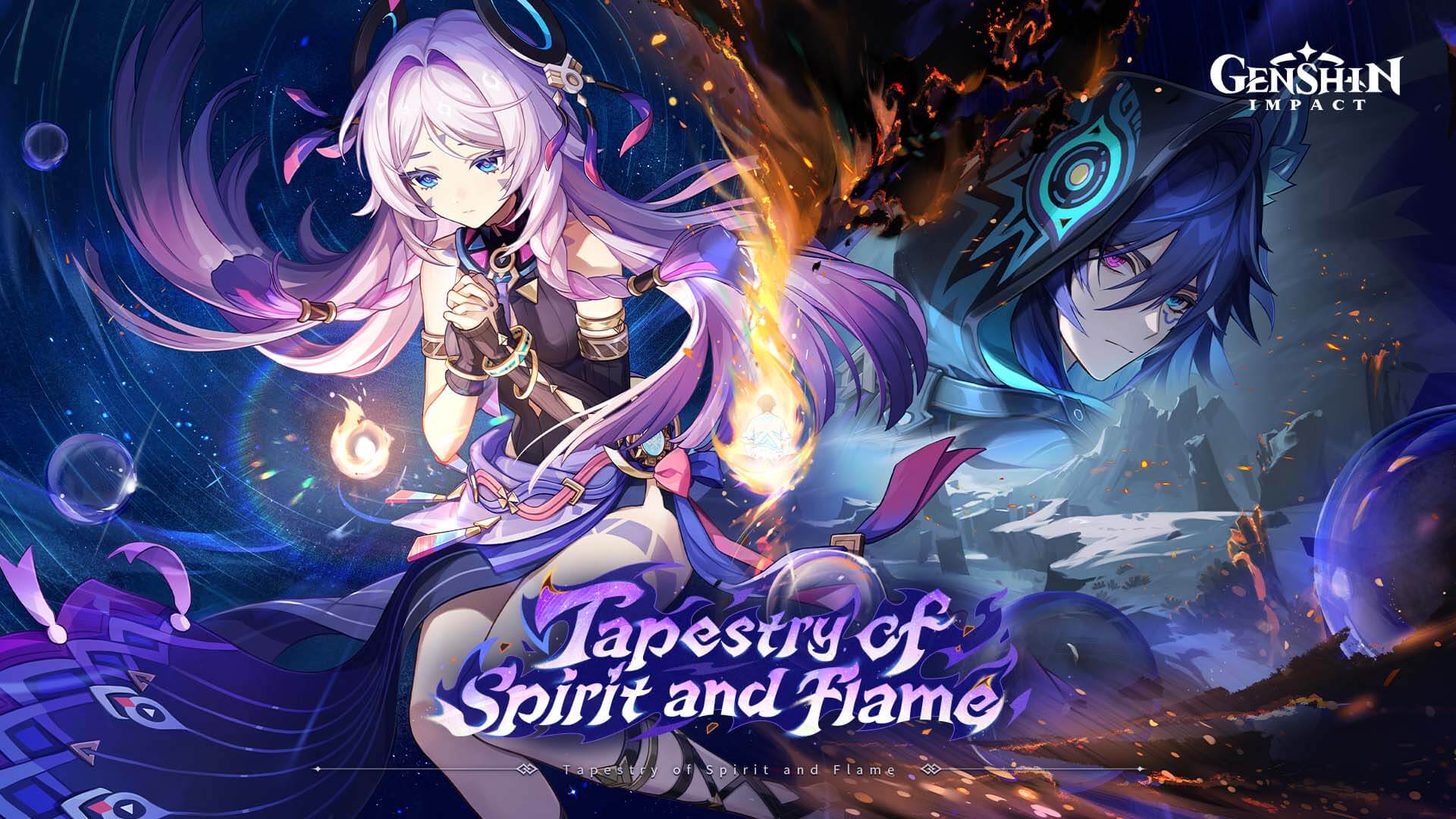
The evergreen seasonal fight. Every big anniversary, a slice of the community decides the free rewards were insulting, and another slice says the entitlement is out of control. Both have a point, and the argument is really a negotiation. Genshin Impact made this a genre-wide ritual years ago, and the interesting development is that the pressure worked: the broad 2026 trend has been toward more generous rewards, kinder pity, and better free income across the space, as studios learned that goodwill is cheaper than a review-bomb. Player anger, aimed well, is why the average gacha is more free-to-play friendly today than it was three years ago.
What It All Reveals
Strip away the thumbnails and the pile-ons and the pattern is clear: the gacha community polices fairness and predictability, and it does it loudly because players are genuinely invested, with time and money, in worlds they cannot fully control. The controversies that stick are the ones where a studio broke a reasonable expectation. The ones that fizzle are the ones that were just noise. Learning to tell those apart is most of what it means to follow this hobby with your head on straight.
Frequently Asked Questions
Why is the gacha community always angry about something? Because players invest real time and money on trust. Most controversies are the community reacting when a studio does something that feels unfair or unpredictable, from power creep to sudden reversals. The loud reaction is a feature of an invested fanbase, not proof a game is bad.
Is gacha the same as gambling? Legally it is an increasingly live question. A 2026 loot-box ruling in Brazil and scrutiny of luxury gacha systems suggest regulators are treating some of it as close enough. Mechanically, the FOMO-and-odds design borrows heavily from gambling, which is why the healthiest games make spending optional.
Does power creep ruin gacha games? Usually not in PvE, where your old teams still clear the content they always could. It becomes a real problem when developers design content to obsolete older units, or in competitive modes where you are measured against other spenders.
Keep Exploring
More from our coverage of the scene: the gacha content creators worth following, the honest cost and pay-to-win ranking of every major game, and the best action and best strategy gacha guides. Browse the whole culture beat or every game we cover in the gacha hub.
Think we missed a controversy, or got one wrong? Pitch us the story. We cover this beat above the fray, and we want your tips.
Sources: HappyGamer, Esports Insider.