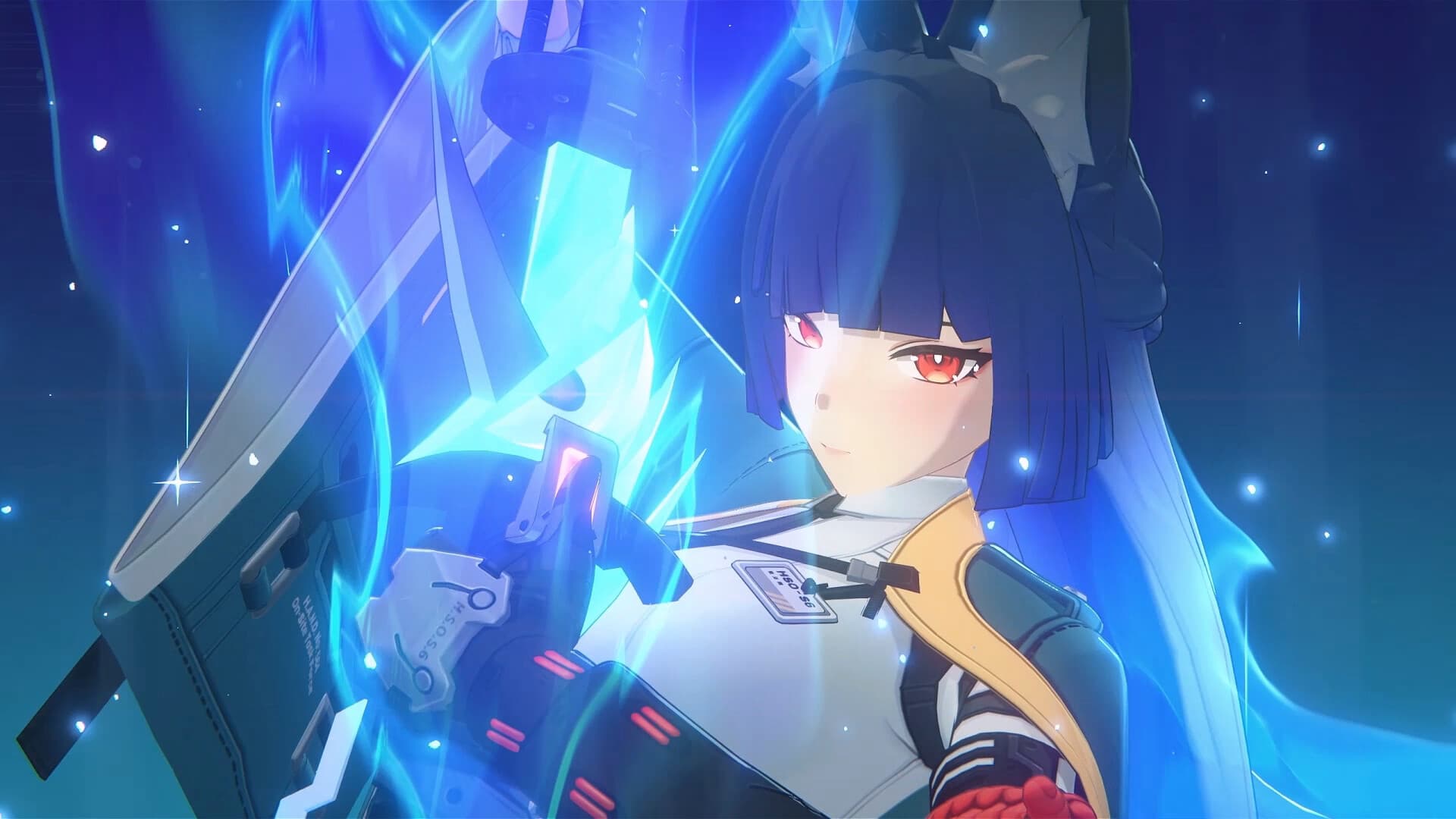

Close your eyes during a gacha character reveal trailer and you can usually still tell who just walked on screen. Not from the silhouette, not from the color palette. From the voice. A specific timbre, a way of landing a laugh line, a catchphrase delivered exactly the way ten thousand clips trained you to expect. The art sells the character on a splash screen. The voice is what makes people say that one is mine.
We spend a lot of words on kits, banners, and tier placement. We spend almost none on the fact that a huge part of what players are actually attached to is a performance, delivered by a person most of them could name on sight. Gacha did not invent voice acting fandom. But it built the biggest, most commercially direct engine for it the medium has ever had, and it is worth looking at how.
When the credits became a headline
For a long time, voice acting sat in the credits, appreciated by a devoted niche and invisible to everyone else. Gacha flipped the order of operations. These games release characters one at a time, on a schedule, each with a full promotional push, and a marquee voice credit is now part of that push. A reveal does not just show you the art and the kit. It tells you who is playing them.
That single change did something quietly radical: it moved the performer from the back of the credits to the front of the marketing. When a beloved actor is announced for a new unit, the announcement itself becomes an event. Clips of their past roles get recirculated. Players who have followed that voice across a dozen shows arrive at the banner already sold, not on the character's stats but on the person delivering the lines. The kit is a spreadsheet. The casting is a reunion.
It rhymes with the way these games turn everything adjacent into a spectacle. We have written about how a reveal broadcast becomes appointment viewing and how a character's debut honeymoon burns bright for two weeks. A casting reveal is the same energy aimed at a real human being who exists outside the game entirely.
The voice is load-bearing
Here is the part that is easy to underrate: in a genre built on parasocial attachment, the voice is doing a staggering amount of the emotional work.
A character in a gacha game is a fixed image, a handful of animations, and a pile of lines. The lines are where personality actually lives, and the performance is what turns text into a person you feel something about. The writing gives a character words; the actor gives them a self. Timing, warmth, the small cracks in a serious voice, the way a cocky character's bravado wobbles for one syllable, that is not on the page. That is a performer making a choice.
This is why players form such specific loyalties. It is not only "I like this character." It is "I like how this actor plays this character," which is a subtly different and much stickier bond. It is also why a voice can carry a mediocre unit further than its numbers deserve, and why fans will defend a low-tier favorite past all reason. You are not defending a stat block. You are defending a performance you love.
When the person behind the voice steps forward
The most interesting turn is what happens when the actor becomes a public figure in the fandom's eyes. They stream. They post. They show up at conventions and read fan-favorite lines live to a room that loses its mind. They react, on camera, to their own character's big story moment or shocking banner. The wall between the performer and the performed quietly comes down, and for many players the actor becomes as beloved as the role.
That closeness is mostly wonderful and occasionally fraught. It is wonderful when it gives credit where the credit sheet used to hide it, when a talented performer finally gets recognized as a draw in their own right, when a fandom celebrates the human who gave their favorite character a soul. It gets fraught in the same places all fandom does: expectations pointed at a real person, the pressure of being permanently identified with one role, the strange intensity of a crowd that feels ownership over a character you merely voiced. The parasocial pull that makes a casting reveal exciting is the same force that can curdle if a community forgets there is a private person on the other end of it.
The multilingual complication
There is a wrinkle worth naming, because gacha is a global business. Most of these games ship in several languages, which means most characters have several voices, and players do not always agree on which is definitive. The dub you fell in love with is, to someone across the world, the "wrong" one, and a beloved line reading in one language can land completely differently in another. Casting a new dub is its own event with its own fandom, and the discourse around it can get as heated as any localization argument over a single translated line.
It is a good problem to have. It means the same character supports multiple genuine performances, each with its own devotees, each making the role a little more alive. It also means "the voice you pulled for" is not one universal truth. It is yours, tied to the specific performer who reached you, and that particularity is a big part of why it matters so much.
Why it is bigger than any one banner
Step back and the pattern is clear. Gacha took an art form that used to live in the credits and made it a front-page draw. It gave working performers a level of recognition, and sometimes stardom, that the wider animation industry rarely handed out. It made "who is voicing this" a question that can move a banner as surely as "what does the kit do." And it did all of that through the same machine that fuels the anime adaptations and the birthday celebrations: a genre that turns every corner of a character into something to look forward to.
The next time a reveal trailer plays and you feel that small jolt of recognition before you have even read the name, notice what triggered it. Odds are it was not the art or the numbers. It was a person you have never met, doing the specific, human, unrepeatable thing that made a drawing feel like someone worth pulling for.