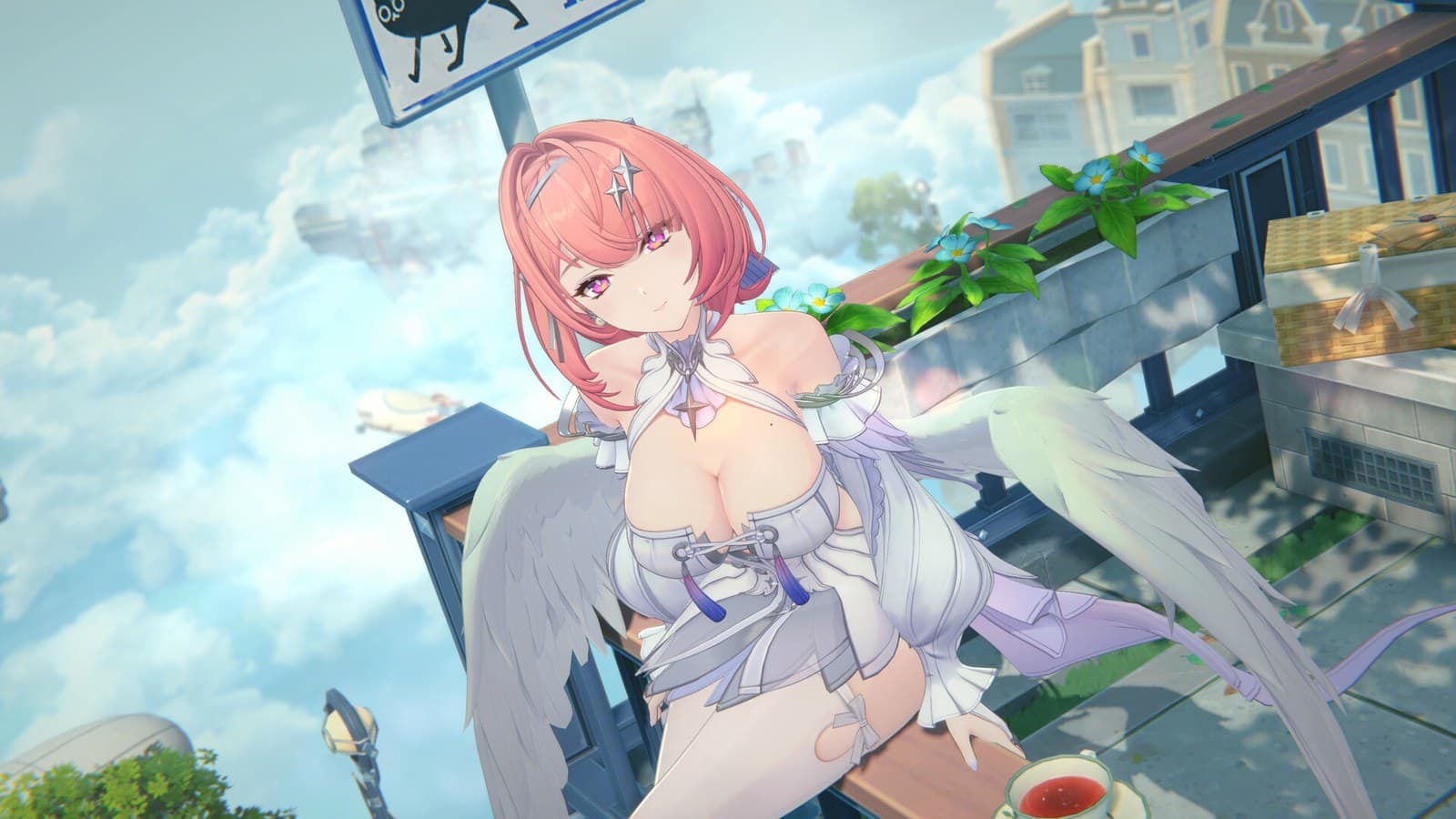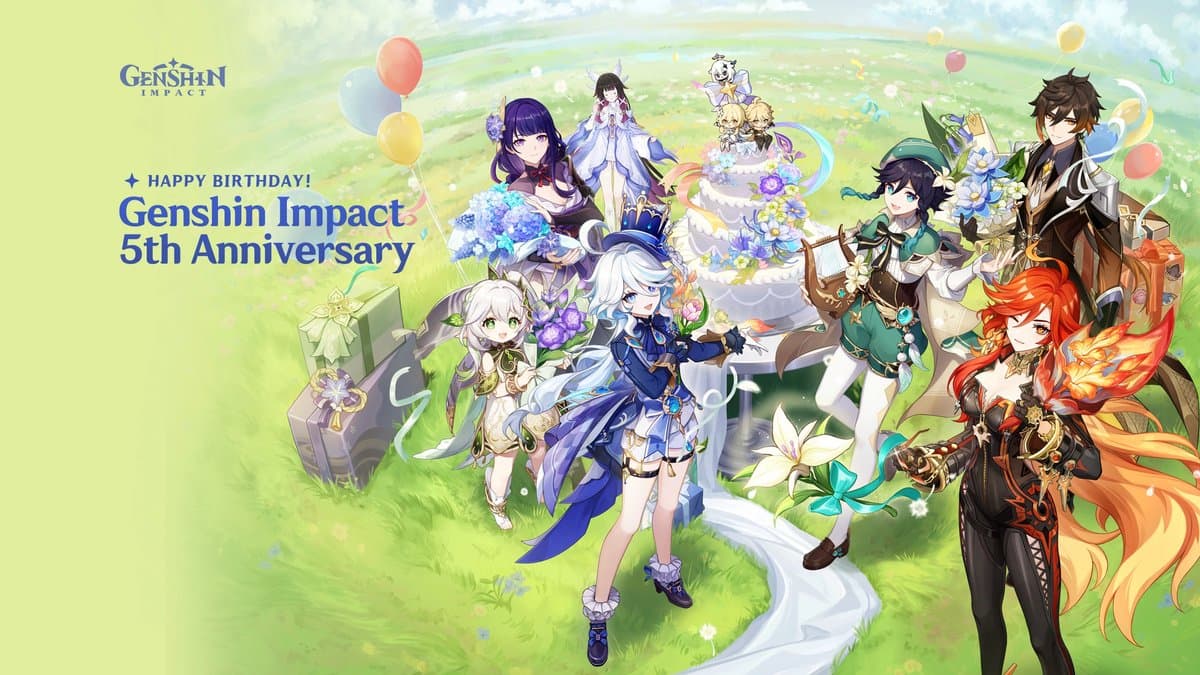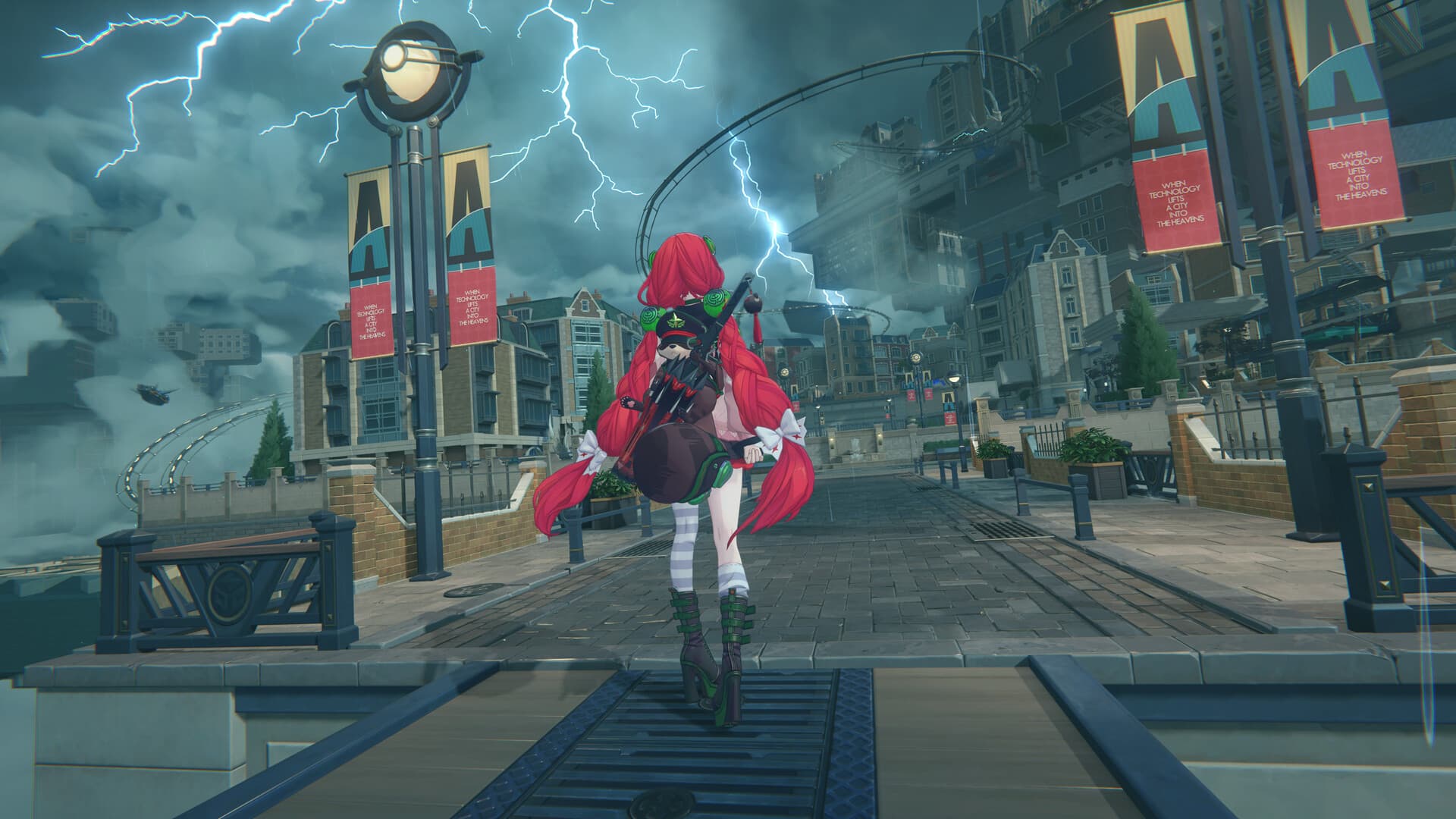
Scroll a seasonal anime chart now and you will keep hitting the same footnote: based on the mobile game. A tactical roguelike about a dystopian pandemic gets a moody, well-animated series. A cheerful school-life shooter becomes a full cours of slice-of-life with fireworks. The genre's biggest open-world juggernaut has a feature-grade adaptation in production at a marquee studio. The gacha-to-anime pipeline has quietly become one of the most reliable pipelines in anime, and it is worth asking why studios keep building it, because the reason is not the obvious one.
It is not (mainly) about selling the anime
The instinct is to assume the anime exists to make money as an anime. Usually it does not need to. For a successful gacha game, the show is a marketing and retention instrument first, and its own commercial success is a bonus. That reframes everything about how these adaptations get made and what they are for.
Three jobs the anime does that the game struggles to do alone:
- Lore delivery. Gacha stories are enormous, slow, and gated behind gameplay, events, and years of updates. Most players never read the whole thing. An anime compresses the world's premise and its best arc into something a newcomer can absorb in an afternoon, and a lapsed player can catch up on during a commute.
- A trust signal. A studio funding a real animation production is spending real money on the world for its own sake. Like a live orchestra performing the soundtrack, it tells the audience the fiction is treated as art, not just a wrapper around a pull screen.
- A discovery funnel. The anime reaches people who will never install a gacha game but will watch a good series, then leaves the game one search away. That is the cheapest new-player acquisition a live-service title can run.
Why gacha adapts so well
Not every game makes a good anime. Gacha, structurally, tends to. The genre is already built on the raw material an adaptation needs: a large, distinct cast with strong silhouettes and clear personalities, an established art direction, a world with rules, and years of accumulated story to mine. The character designs are made to be memorable at a glance, which is exactly what an anime wants. And the fanbase arrives pre-attached to the cast, so the show starts with an audience that already cares who lives and who loses.
There is a catch built into that same strength. A gacha roster is often too large, with characters whose depth lives in profile text rather than plot. The best adaptations solve this by narrowing hard: pick one arc, a handful of characters, and tell that story well, rather than trying to cram the whole roster into a season. The ones that fail are usually the ones that treat the anime as a checklist of fan-favorite units to feature instead of a story to tell.
When the show outshines the game
The strangest outcome, and an increasingly common one, is the adaptation that is better received than the game it advertises. It happens when the source has a genuinely strong story trapped inside a grindy or dated gameplay loop. Free of daily quests, stamina systems, and menus, the fiction gets to just be fiction, animated by people who know what they are doing. Suddenly the thing longtime players always insisted was great, the writing, the world, the characters, is legible to everyone.
For the studio, that is a double-edged win. It proves the world has real value, and it can bring lapsed and brand-new players to the game. But it also sets a bar the game's own storytelling has to live up to afterward, and it quietly reveals how much of the appeal was the fiction rather than the systems. The healthiest response has been studios investing more in in-game story presentation to close that gap, which is good for players either way.
The risk nobody advertises
There is a downside worth naming. When the anime becomes the primary way people experience a world, the game risks becoming the merchandise stand attached to the show. That is fine commercially and hollow creatively, and the communities notice when a beloved world starts feeling like an IP to be exploited across formats rather than a game to be played. The adaptations that land keep the game and the show reinforcing each other: the anime deepens the world, and the world stays worth returning to.
What it signals about the genre
Step back and the pipeline is a sign of gacha growing up in public. A genre that started as slot machines with anime art now commands the budgets, the writers, and the studio partnerships to put its worlds on the same shelf as any other anime IP. The adaptations are the clearest evidence that the fiction was load-bearing all along, that people were not only pulling for stats but for characters and stories they wanted more of.
The banner sells you the character. The broadcast, at its best, makes you understand why you cared. For a genre built on attention and attachment, that is not a side project. It is the point, aimed at a screen the game could never reach on its own. To see the worlds behind the shows, the gacha section covers the games, their casts, and where each story is worth your time.