There is a specific kind of loyalty a gacha player feels toward a character they never had to gamble for. It is not the relief of winning a coin flip or the pride of a whale showcase. It is closer to how you feel about a hand-me-down tool that has outlasted three expensive replacements. The game gave it to you, for free, as a reward for showing up, and years later it is still in your lineup while the five-stars you agonized over sit on the bench.
That character has a name in the community: a welfare unit. And the culture around it is one of the healthier corners of a genre that mostly runs on manufactured want.
What a welfare character is (and is not)
A welfare character is a permanent, fully-yours unit handed out through an event rather than pulled from a banner. You log in during the anniversary, or grind an event shop, or finish a story chapter, and the character lands in your roster with no gacha attached. You keep it. You can build it. It is not a rental.
That last part is what separates it from two things it gets confused with:
- It is not a trial character, the free demo a game lets you test-drive on a banner before it vanishes. A welfare unit is yours to keep.
- It is not a standard-banner five-star, the forgotten roster you slowly accumulate from the permanent pool. A welfare unit is deliberately designed and gifted, usually with its own event and story beat.
The distinction matters because the design intent is different. A standard five-star is a consolation. A welfare unit is a gift with a purpose, and understanding that purpose explains the whole culture around it.
Why a studio gives away a good character
It looks like leaving money on the table. It is the opposite.
A welfare unit is an on-ramp. New and returning players are the hardest cohort to keep, because the wall between "I just started" and "I can clear endgame" is where accounts die. A strong free character shrinks that wall. It gives a fresh account a functional piece of a team without asking for a pull, which buys the player enough time to get invested before the spending conversation ever starts. A good welfare healer or a free sub-DPS is often the difference between a player who quits in week two and one who is still logging in at the next anniversary.
It softens the resentment. Every gacha lives with the low-grade anger of players who lost a 50/50 or missed a rerun. A generous welfare unit is a pressure valve. It says, in the only language that fully lands, we know you did not win this month, here is something real anyway. Games that skip this feel stingy in a way that shows up in their reviews.
It seeds the meta cheaply. Studios use welfare units to hand everyone a piece of a new archetype so the paid character that anchors it has a team to slot into. Give the whole playerbase a free enabler and suddenly the limited carry that pairs with it is worth pulling to far more people. The free unit is not competing with the paid one, it is selling it.
None of that works if the welfare unit is trash, which is why the best studios treat these characters as seriously as their banners.
The tiers of welfare, from throwaway to legendary
Not all free units are equal, and the community has an unspoken ranking for them.
- The filler. A four-star with a forgettable kit that exists to pad an event shop. You claim it, you shelf it, you forget its name. Every game has these.
- The workhorse. A genuinely usable unit that earns a permanent seat, especially on newer accounts. The free healer that carries you for a year. The off-field applicator that quietly makes three teams work. These are the backbone of f2p team building.
- The legend. The rare welfare unit so good it embarrasses the paid roster, the free character that shows up in endgame clears next to limited five-stars and holds its own. These become community folklore. Players who were not there to claim one talk about it the way people talk about a concert they missed.
The legends are the ones that build trust. When a studio hands out a welfare unit that is actually strong, it tells the audience the developer is not afraid to give real value away, and that trust is worth more than the pulls the character theoretically cost them.
The loyalty is real, and a little irrational
Ask a long-time player about their favorite welfare unit and watch the tone change. There is affection there that a min-max spreadsheet cannot explain.
Part of it is the no-gamble bond. A character you pulled carries the faint bruise of what it cost, the pity, the lost 50/50, the savings you burned. A welfare unit carries none of that. It is pure, uncomplicated ownership, and the relationship is cleaner for it.
Part of it is the underdog effect. Rooting for the free character to out-damage the expensive one is a small, satisfying act of rebellion against a system built to make you spend. Every clear you post with a welfare carry is a tiny middle finger to the banner. Communities adore this. Whole guides get written around "how far can the free unit take you," and they rank among the most-shared content a game inspires, because they are the support units the meta undervalues made into a badge of honor.
And part of it is simply that it was there. The welfare unit was in your team during the story beat you remember, the first Abyss you cleared, the patch you almost quit and did not. It earned its seat the honest way, over time, and you do not bench something that has been with you that long just because a shinier number came along.
When welfare goes wrong
The culture has a shadow side, and it is worth naming.
The ugliest version is the paywalled welfare unit, the "free" character gated behind a battle pass or a spending threshold dressed up as a gift. Players see through it instantly, and it does more reputational damage than not offering the character at all, because it poisons the one gesture that was supposed to be trust-building.
The subtler failure is the welfare unit that gets power-crept into uselessness a patch after release, so the "gift" has a shelf life measured in weeks. When a game does this repeatedly, players stop treating welfare units as keepsakes and start treating them as disposable, and the whole warm relationship curdles into another chore.
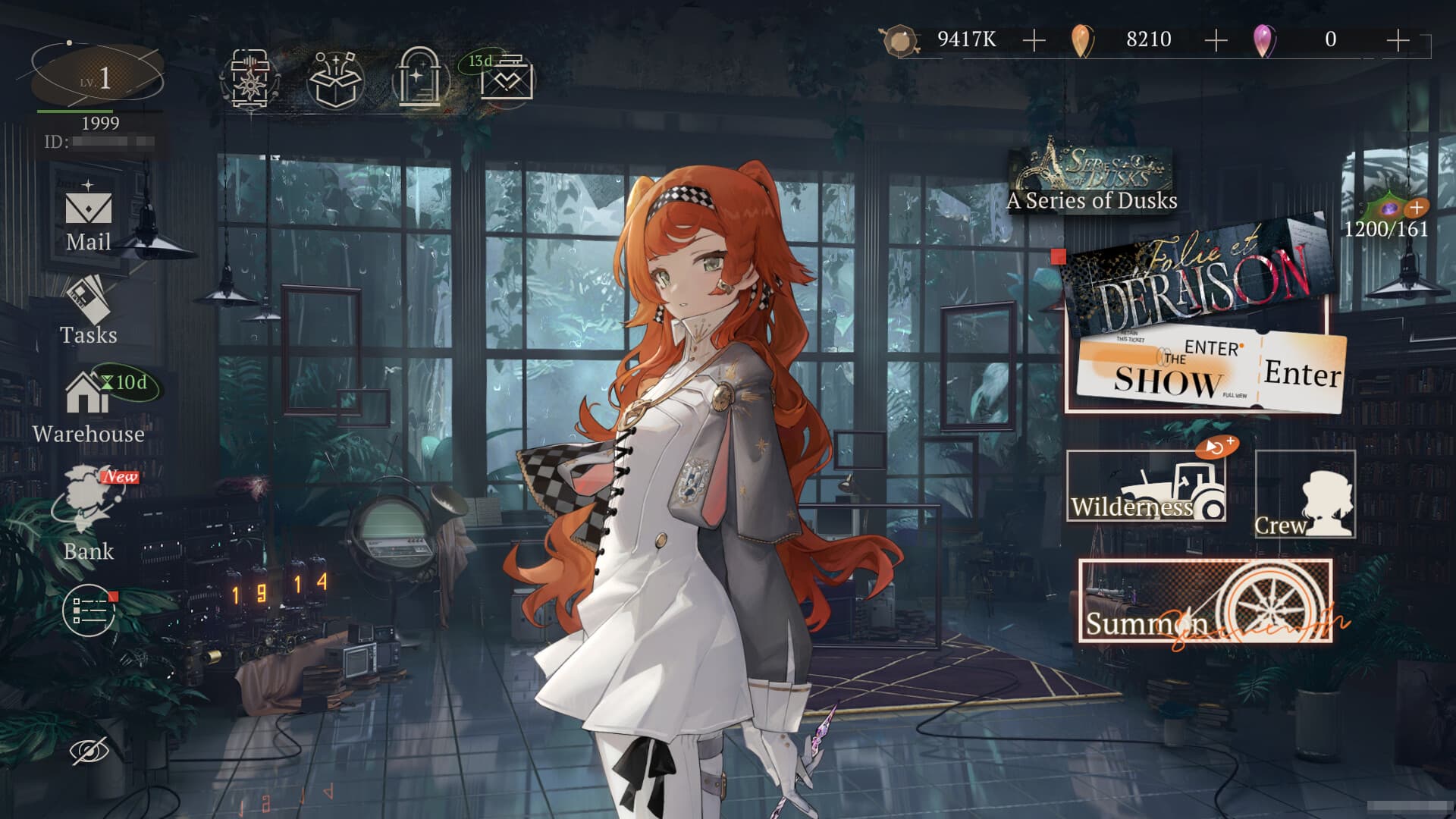
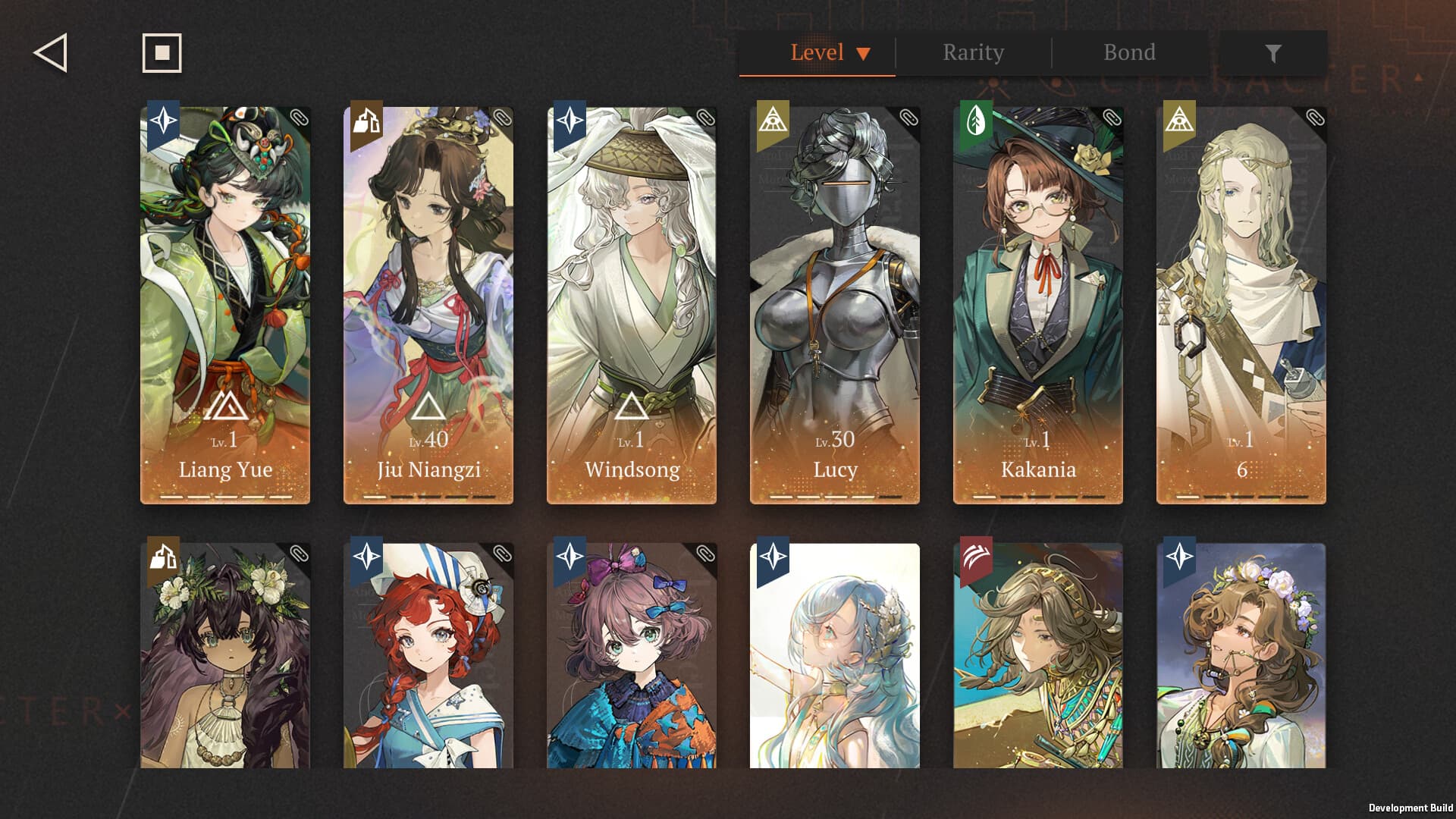
The healthiest games avoid both traps: they give the character away cleanly, make it good, and let it stay good long enough to matter. Reverse: 1999 built a real chunk of its goodwill on exactly this, which is why its best free characters get their own guide, and why a returning player's first move is often to check what welfare units they can still claim.
What it says about a game
Here is the quiet tell. If you want to know how a gacha game actually feels about the people who play it without spending, do not read the marketing. Look at the welfare units.
A game that hands out strong, permanent, lovingly-designed free characters is telling you it plays a long game, that it would rather keep you around for three years than squeeze you for three months. A game whose welfare units are all forgettable filler is telling you something too. The free character is the part of a gacha the studio does not have to get right, which is exactly why getting it right says so much. For the games that treat it as a genuine gift rather than an afterthought, the goodwill it buys is the kind no banner can.
The five-stars are how these games make money. The welfare units are how the good ones make players stay. If you are shopping for a game to sink years into, that difference is worth more than any tier list, and it is baked right into the most generous free-to-play options worth starting today.