The counter hits ninety. The screen goes gold. For half a second you feel the good kind of sick, the jackpot flutter, and then the model resolves and it is Qiqi. Or Welt. Or whichever launch-day 5-star has spent two years being the punchline of your account. You did not pull for her. You will never pull for her. And the game just handed her to you as the price of missing the character you actually wanted.
That flinch is the subject here. Not the character, the flinch. The fact that an entire genre has trained millions of players to react to a legendary drop with disappointment, because the game reached into a pool of permanent 5-stars nobody talks about anymore and gave you one as a consolation prize.
Here is my take, up front: the standard banner is not a scam and it is not a gift. It is a safety net that the developers let quietly rot into a museum, and most of the pain around it comes from players expecting a museum to keep up with the meta. Once you see the standard pool for what it actually is, the sting mostly goes away. The units get a lot more interesting, too.
What the base roster is for
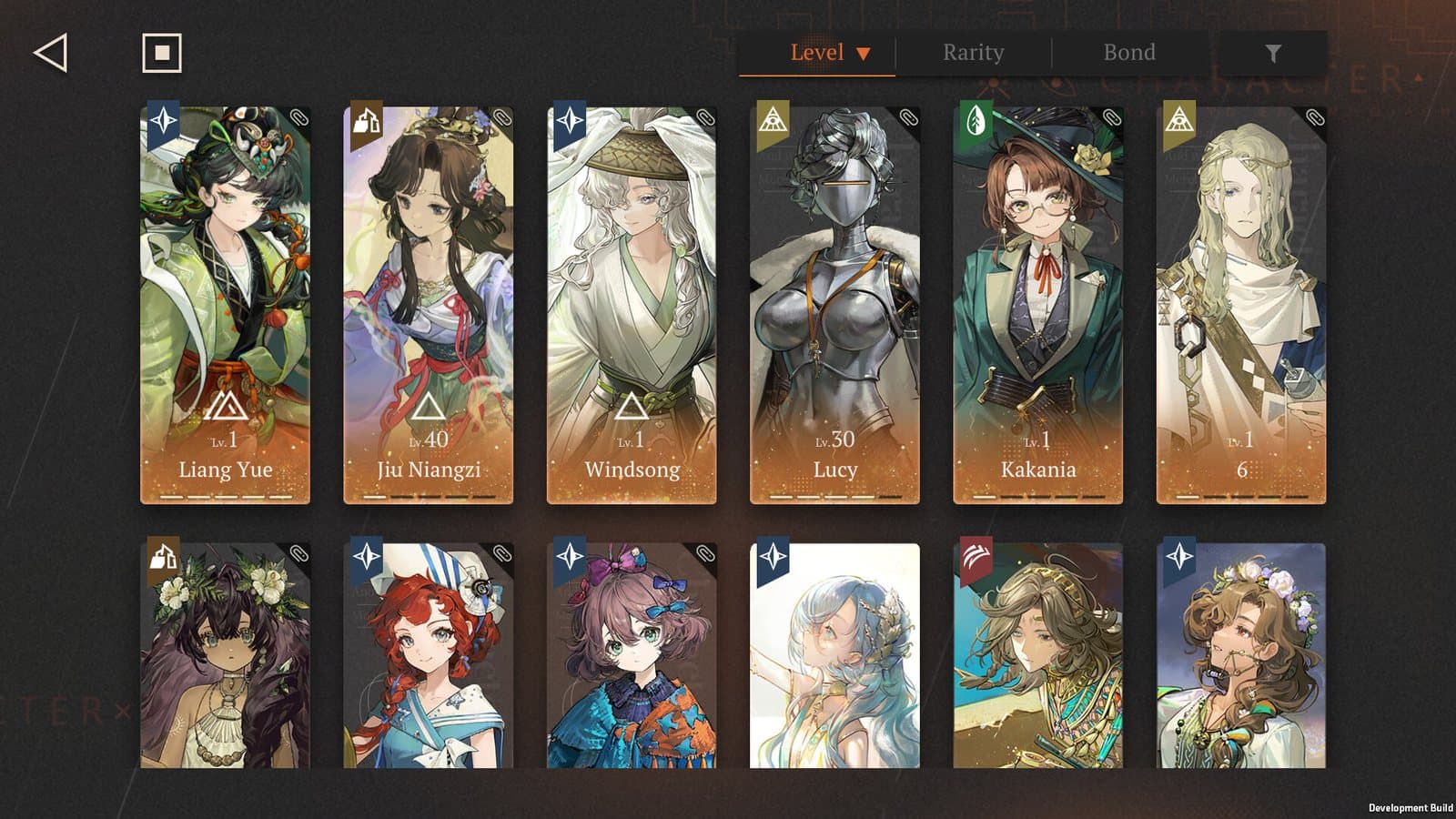
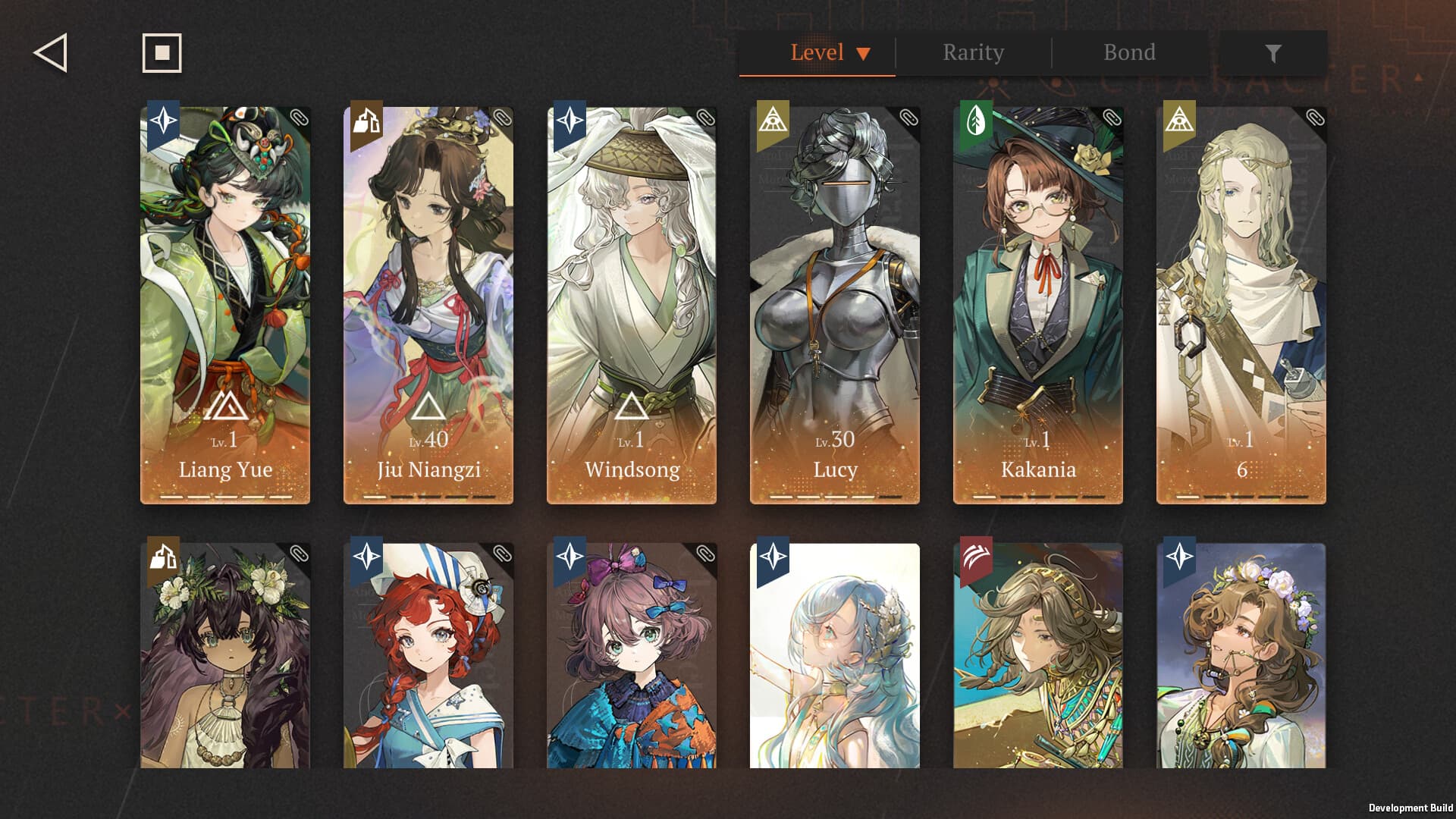
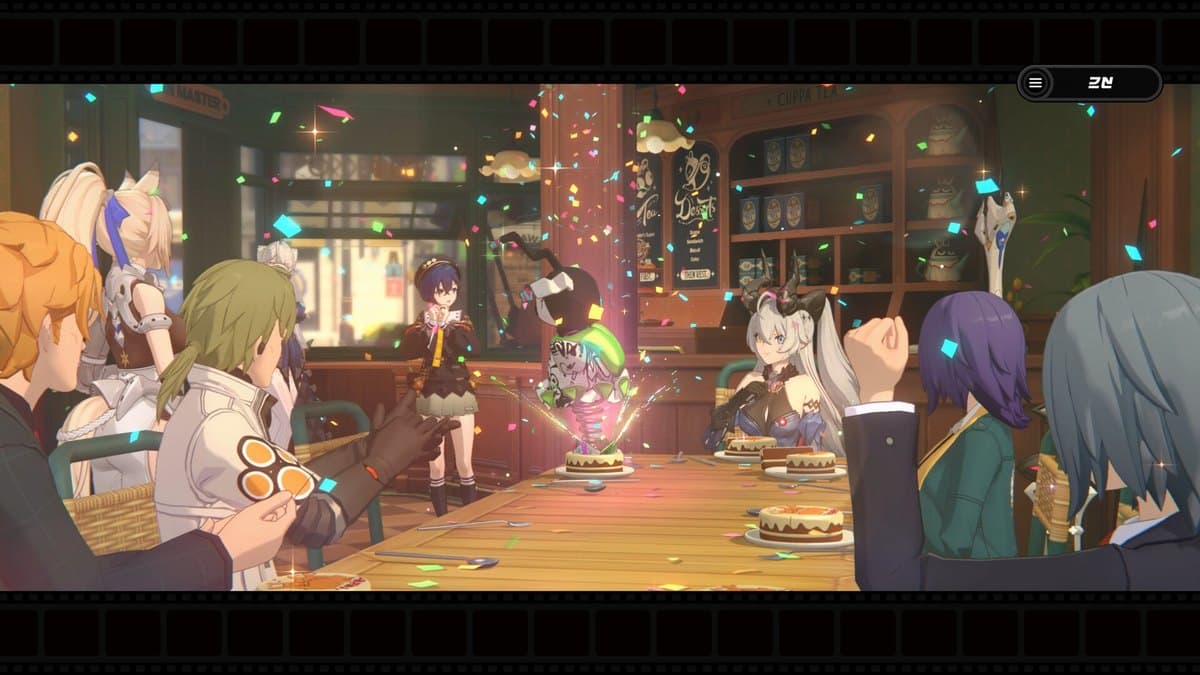
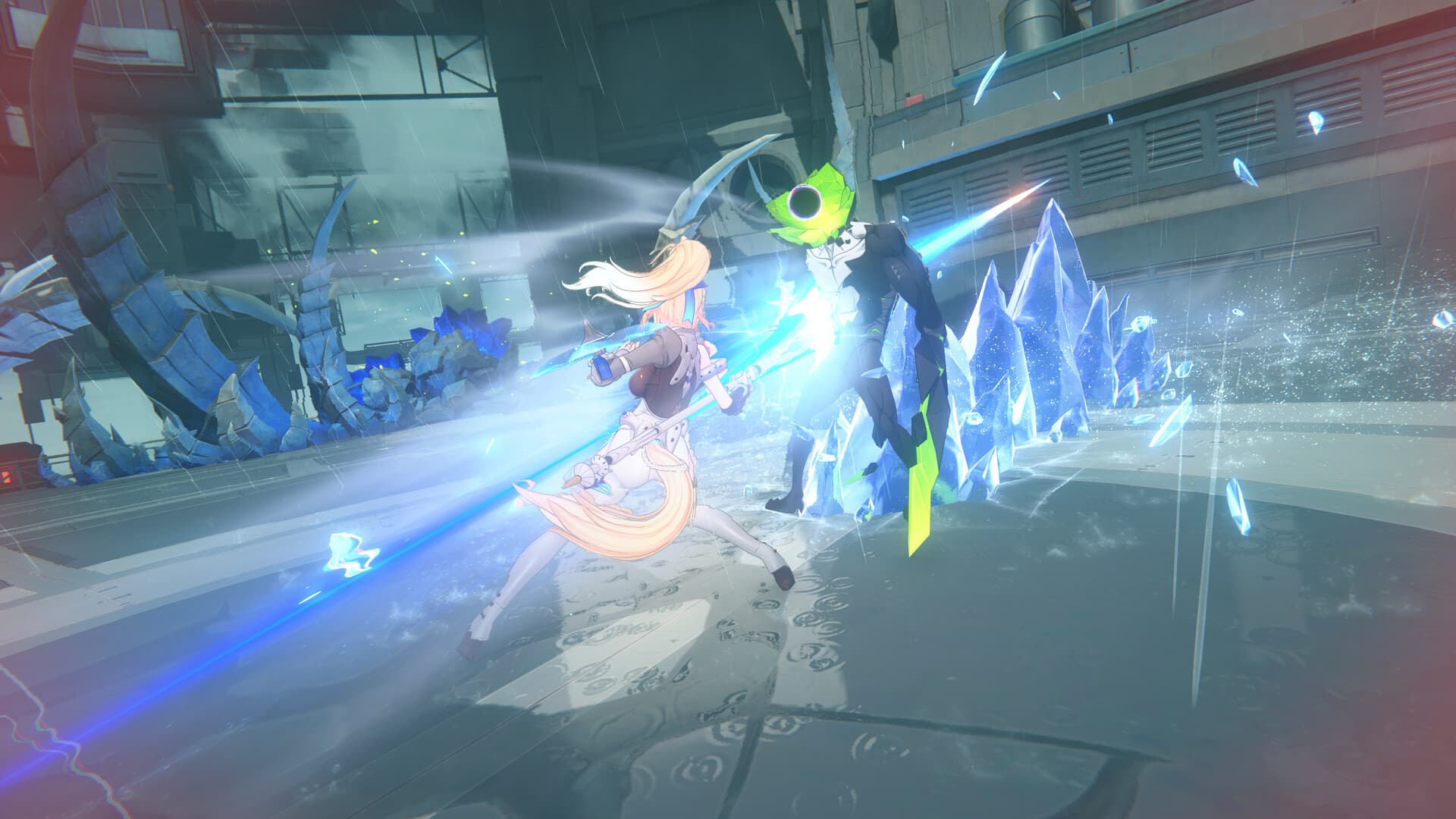
Every big gacha ships with a set of permanent, always-available 5-stars. Genshin has the Wanderlust Invocation cast. Honkai: Star Rail has the Stellar Warp roster. Zenless Zone Zero has its Star-Studded lineup, Wuthering Waves its permanent resonators. These are the launch characters, the ones designed before the game knew what it would become.
They exist for a real reason, and it is not charity. A brand-new player needs something to chase that will not vanish in three weeks. Limited banners come and go on a schedule that punishes anyone who logs in on the wrong Tuesday. The standard pool is the part of the game that is always open, the shelf that never gets cleared. On day one, that shelf holds the best characters in the game, because on day one it holds the only characters in the game.
The problem is what happens on day four hundred.
Why the museum stops updating
New characters almost never get added to the standard pool. The genre figured out early that the permanent roster is a liability to its own revenue. Every unit sitting in the always-available shelf is a unit players do not need to gamble for. So the shelf gets frozen at launch, and the game spends the next several years selling limited units that are built, patch by patch, to be more exciting than anything on it.
This is power creep doing its most predictable work. The launch cast was balanced against a game that no longer exists. New endgame modes are tuned around kits invented long after those characters shipped. The standard 5-star is not usually bad, and I want to be careful here, because "standard equals trash" is the lazy version of this. She is stranded. Frozen in the design language of version 1.0 while the game speaks version 4.7. The museum did not get worse. The world around it moved, and nobody was ever going to renovate the exhibits.
So the base roster ages out of relevance not because the units decay, but because the pool is deliberately never refreshed. It is the one part of a live-service game that is allowed to stand still. That standstill is the entire source of the ache.
The math that turns a 5-star into a penalty
Now the cruel part, the part that makes a legendary feel like a fine.
On most limited banners, hitting pity does not hand you the featured character. It flips a coin first. Win the coin and you get who you wanted. Lose it and the game pulls from the standard pool instead, which means the frozen museum is precisely where your "losses" come from. If you have never sat with why that coin flip carries so much weight, our 50/50 explainer is the honest version, and the Star Rail warp and pity guide walks the exact counters game by game.
Read those numbers and the emotional trap becomes obvious. The standard 5-star is not competing for your affection on equal footing. It is defined, structurally, as the thing that happens when you fail. The game could have made a losing 50/50 give you nothing but currency. Instead it gives you a permanent legendary character, and then attaches that character to the worst feeling in the genre. No wonder players groan. The design welded a jackpot to a punishment and told us to sort out our own feelings about it.
It gets worse the longer you play. Early on, every standard 5-star is a genuine prize because you own almost nothing. Two years in, you have most of the pool, so losing the 50/50 does not even give you a new character. It gives you a constellation or dupe for someone you were already ignoring, converted into a trickle of pull currency. The safety net stops catching anything you wanted to keep.
The selector as a quiet apology
The developers know all of this. You can read their guilt in the mechanics they have added over the years.
Genshin lets you slowly bank the currency from dupes and eventually pick a standard 5-star from a rotating shop, turning bad luck into a very slow choice. Star Rail lets long-haul warpers select a standard unit outright after enough pulls. Wuthering Waves went furthest and just let you choose which standard 5-star your pity is guaranteeing, which is the whole reason our standard selector guide exists as a real strategic decision instead of a shrug. Zenless followed the same instinct with a selectable standard S-rank.
Every one of these is the same gesture. It is the genre admitting that a random handout from a frozen pool feels bad, and offering agency as the bandage. You cannot pick who wins your 50/50, but here, at least pick who the safety net owes you. That is not nothing. It is a meaningful softening, and the games that offer a real selector are being more honest with their players than the ones that still make you eat a random dupe. But notice what the apology concedes: it only makes sense as an apology if everyone already agrees the standard pool is a place you do not want to end up.
The units that are secretly still great
Here is the turn, because the museum framing is only half true.
A frozen pool ages badly on average, but averages hide the exceptions, and the exceptions are where standard characters become the best value in the game. Some launch 5-stars were built around a role so fundamental that no amount of power creep retires them. A healer whose entire job is "keep the team alive" does not go obsolete when the job itself never changes. A support built around a universal buff can quietly slot into meta teams years later, because the game kept designing damage dealers who want exactly what she provides. The standard pool occasionally holds a unit who was so structurally sound that the creep treadmill just runs underneath her without touching her feet.
And they are the cheapest characters in the entire game to own, because you back into them for free every time you lose a coin flip. A standard support you accumulate copies of by accident can end up more built, and more useful, than a limited carry you agonized over. The players who understand this stop groaning at the museum and start shopping in it.
How to actually hold the standard pool
So where does that leave the base roster, honestly?
Treat the standard banner as infrastructure, not aspiration. It is the floor of your account, the part that is always there, the guaranteed return on every 50/50 you lose. Do not pull for it, the value is terrible on purpose. But do not resent it either, because resenting it is just resenting the safety net for not also being the jackpot. Those were never the same thing.
If your game offers a standard selector, use it deliberately. Pick the role your account is missing, not the flashiest name, and read the pity social contract first, because a selector is the one moment the standard pool actually respects your judgment. Everywhere else it is weather, and you take what falls.
The launch cast is a museum. That is fine. Museums are not failures, they are places that hold the version of the game that existed before it knew better. A few of the exhibits are still quietly excellent. The rest are history you own for free. Stop waiting for the standard banner to be a prize, and it stops being a punishment. It goes back to being what it always was: the part of the game that never leaves, standing patiently behind every coin flip you are about to lose.