Ask a gacha player how many games they play and they will name two or three. Ask how many accounts they have and watch the number climb, sheepishly, into double digits. Somewhere on their phone or bound to an email they barely check is a whole cemetery of former main characters: the game they poured a year into, the one they spent a paycheck on during a bad month, the one whose story made them cry on a train. All still there. None of them opened since spring.
This is the gacha graveyard, and almost everyone who has played the genre for more than a couple of years is quietly keeping one. It is worth looking at, because the reluctance to delete says something the games themselves would never admit out loud: what you actually built in there was not a save file.
A five-star is not a video game item
Pull the thread on why deletion feels bad and you get to the strange nature of what a gacha account holds. In most games, a save file is progress: a percentage, a checkpoint, hours logged. You delete it without much feeling because it represents effort, and effort is replaceable. You could do it again.
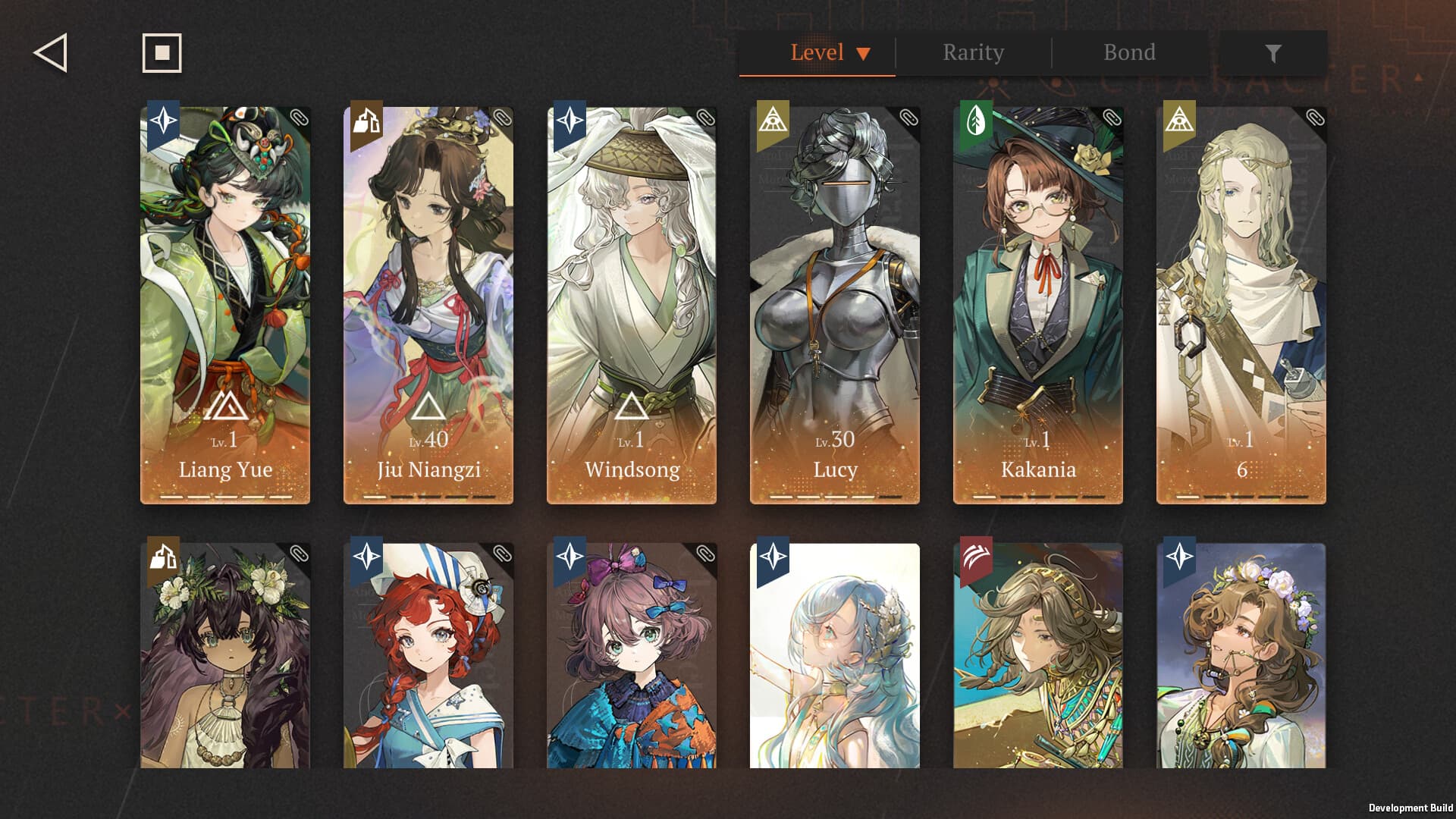
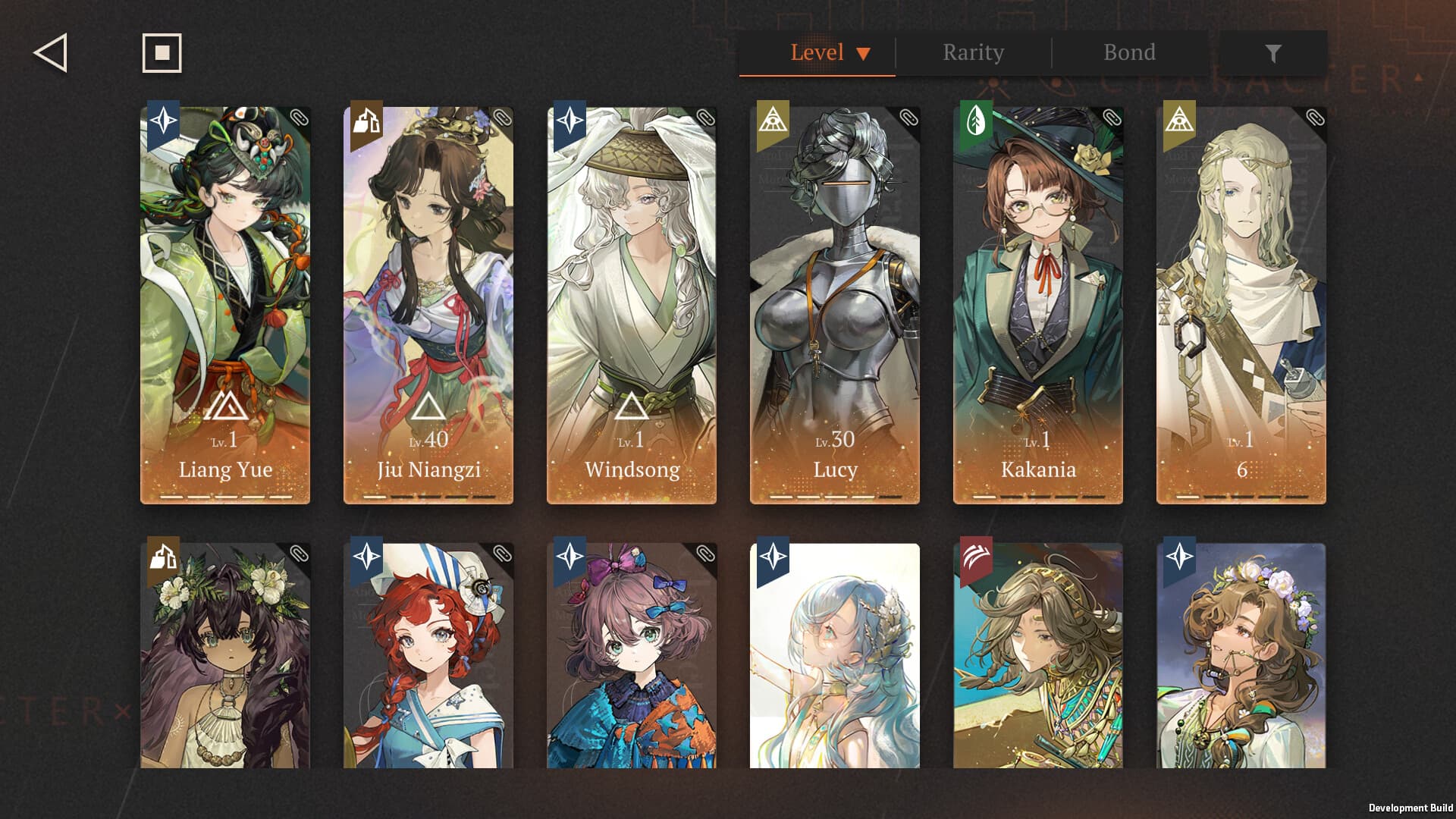
A gacha roster is not that. It is a record of decisions. Every five-star in there is a moment you can date: the banner you caved on, the one you skipped and regretted, the free unit from an anniversary you happened to be around for. You did not grind those characters into existence. You chose them, usually against some odds, sometimes with money, always with the small private drama of a pull. Deleting the account does not erase progress. It erases the receipts for a year of small choices, and some part of the brain files that under "throwing away photographs" rather than "clearing storage."
That is the whole knot. The account is a scrapbook wearing a game's clothing.
The sunk cost is real, but it is not the whole story
The obvious explanation is sunk cost, and it is not wrong. If you spent money, deletion feels like admitting the money is gone, and keeping the account preserves the comfortable fiction that you could always go back and get your value out. We have written before about the disciplined saving culture these games breed; the flip side of tracking every pull so carefully is that walking away from the results feels like tearing up a ledger you balanced for months.
But pure sunk cost would apply to any expensive hobby, and people sell their old guitars. Something else is holding the gacha account in place. Part of it is that these games are built to make quitting quiet and invisible. There is no ending. Nobody says goodbye. You do not beat a gacha and roll credits; you simply open it a little less, then a little less, until one day the icon is just a color on a screen you swipe past. Because there was never a finish line, there is never a clean moment to say "done." The account does not get closed. It gets orphaned.
Logging in hurts more than deleting
Here is the part that surprises people who have not lived it: going back is often harder than leaving. Every returning player knows the specific dread of opening a game after six months away. The login rewards have piled into a wall of popups. There is a new currency you do not recognize, a new mode, three new characters who are apparently the meta now, an event ending in four hours you have no context for. Your once-godlike team is suddenly mid. The place kept moving without you, and it moved fast, and stepping back in makes the passage of time embarrassingly concrete.
Deleting requires none of that. Deleting is a menu and a confirmation. So the account survives precisely because engaging with it, in either direction, costs more than ignoring it. It sits in a perfect stasis: too full of memory to trash, too far behind to resume. The graveyard is not neglect. It is the only comfortable option left.
What the graveyard is actually for
Spend enough time around veterans and you notice the dormant accounts are not entirely dead. People visit them. Not to play, exactly, but to look. To scroll the roster and remember a summer. To show a friend "this was my account back when." A quit gacha becomes something closer to an old group chat you do not post in but cannot bring yourself to leave, because leaving would make it official that the thing is over.
And occasionally, rarely, the graveyard resurrects. An anniversary lands, a favorite character gets a rerun, a friend comes back and drags you with them, and suddenly the orphaned account is a returning player's miracle: a fully-built roster waiting under a year of dust. Every studio knows this, which is why returning-player bonuses are so generous. They are not just courting new blood. They are betting on the graveyard, on the fact that you never deleted, and that a good enough reason will get you to log back in and face the wall of popups after all. If that is you this patch, our returning-player gacha guide is built for exactly that walk back in.
So keep the accounts. There is no real cost to it, and the impulse behind it is not weakness or hoarding. It is the same impulse that keeps ticket stubs in a drawer. You are not saving a game. You are saving the version of yourself that played it, and that is worth a few megabytes and an unused login.