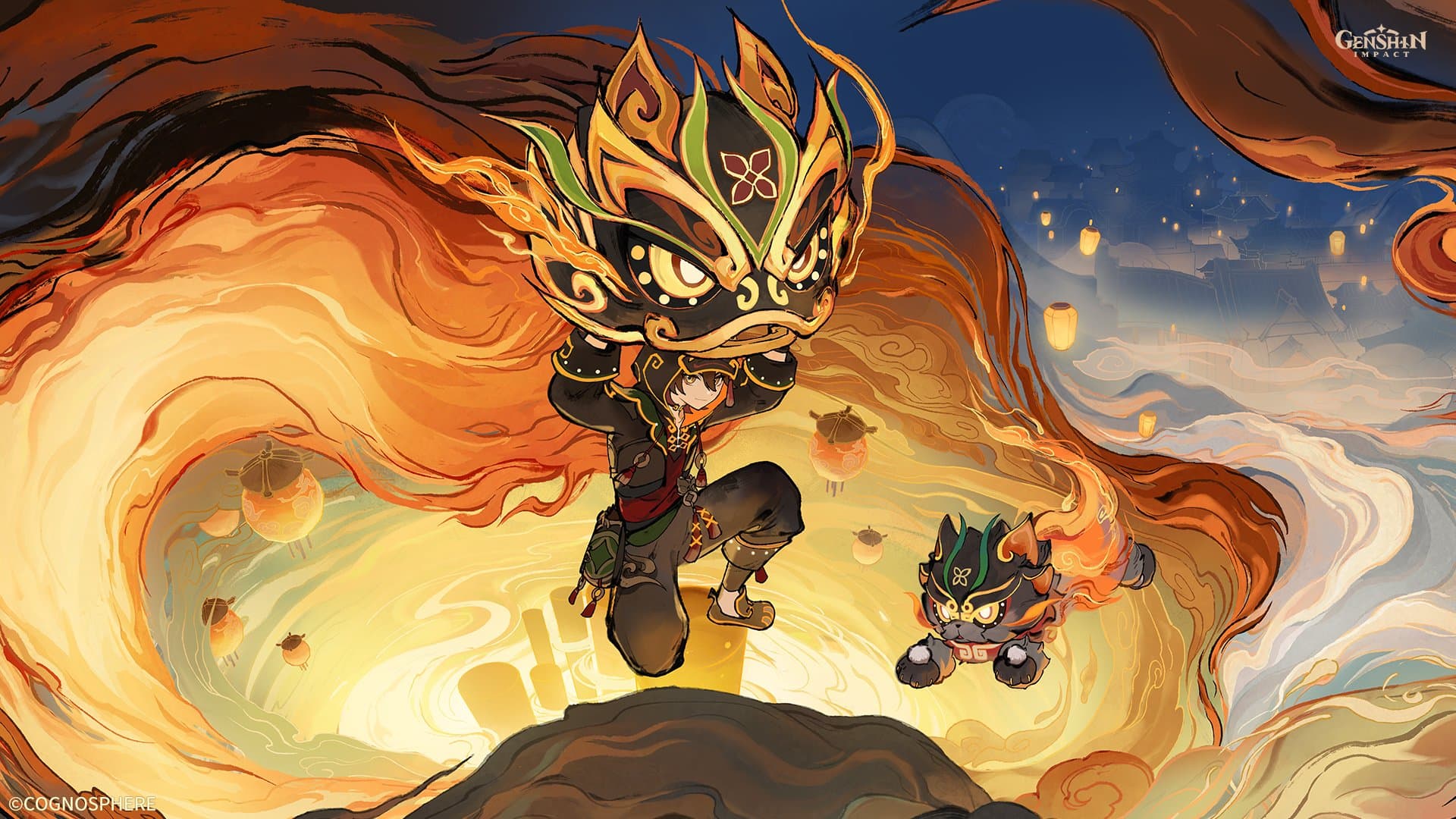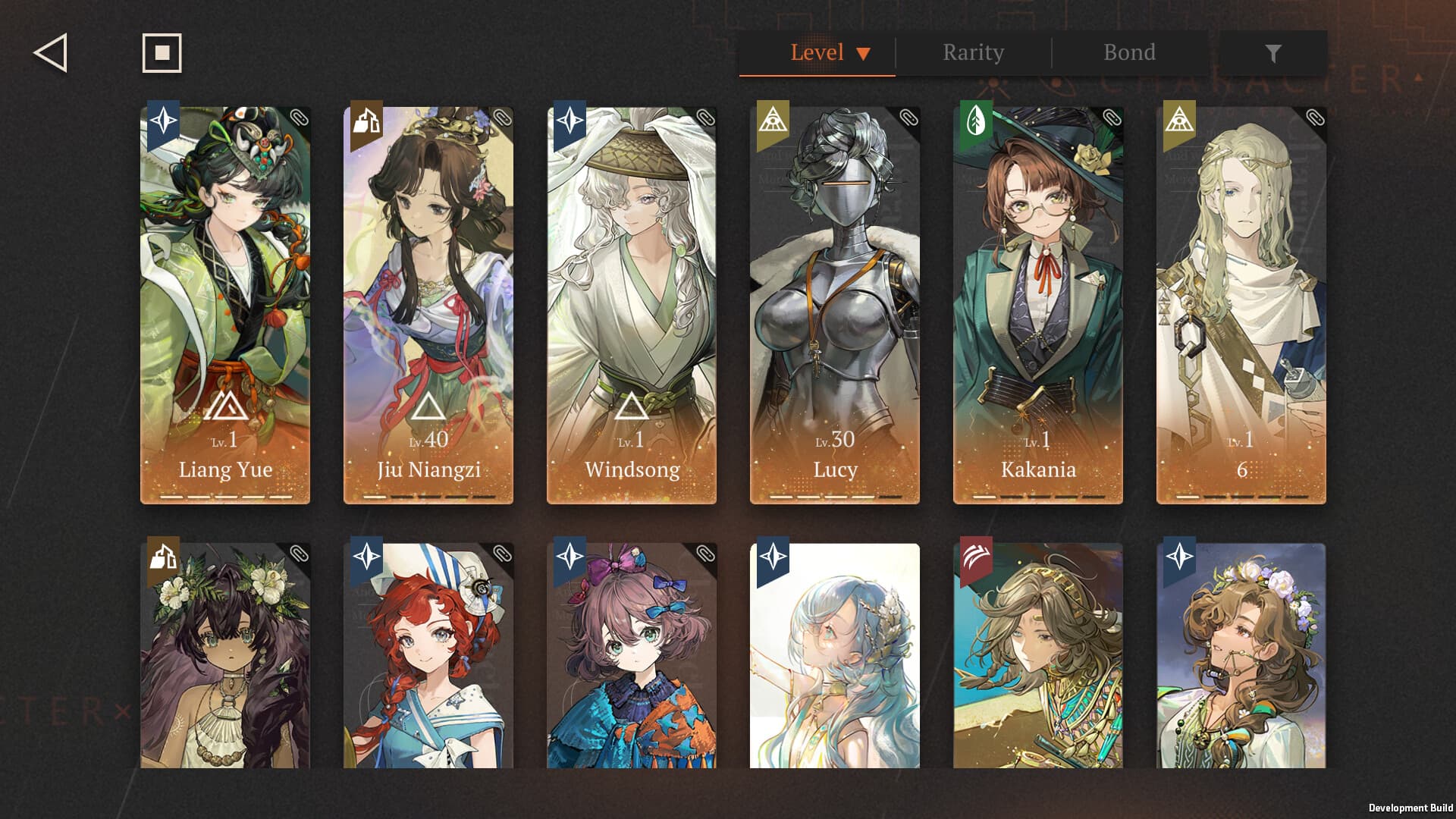
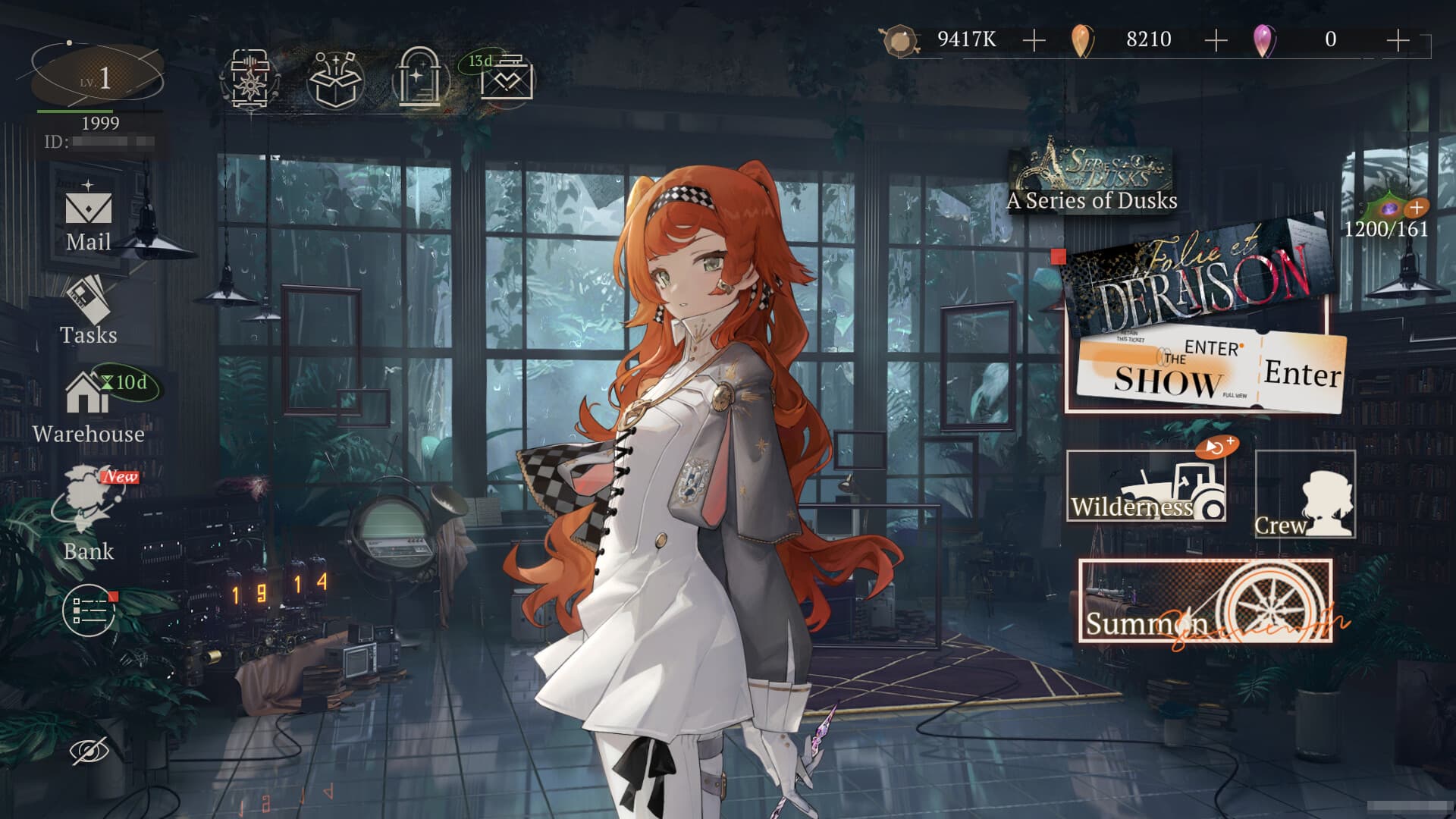
Ask someone how gacha games make money and they will point at the obvious thing: the whale dropping a mortgage payment to guarantee a new character. That story is dramatic, and it is real, but it is not the foundation. The foundation is a five-dollar-ish charge that renews every month and that a huge slice of the playerbase barely thinks about. Genshin calls it Welkin Moon. Honkai: Star Rail has its Express Supply Pass. Zenless has its membership. Nearly every game in the genre ships some version of the same small monthly product, and it is not an accident that they all landed on the identical idea.
This is a HostedGG culture piece, so the usual disclaimer applies: we are not here to tell you the pass is a scam. For a lot of players it is the single best value in the whole store. We are here to explain why it exists, what it is really doing to your habits, and how to buy it on purpose instead of by reflex.
The quietest, stickiest product in the store
The monthly pass almost always works the same way. You pay a small one-time price and, in return, you get a chunk of premium currency immediately, plus a daily trickle of more currency every time you log in for the rest of the month. Claim it every day and the total haul dwarfs what the same money would buy in a one-off currency bundle. On a pure exchange rate, it is the most currency per dollar the game will ever sell you.
That generosity is the hook, and it is a deliberate one. The pass is not designed to make money on the transaction. It is designed to make money on the habit.
Why five dollars beats fifty
A fifty-dollar impulse buy is a decision. The player feels it, sometimes regrets it, and often does not do it again. A five-dollar monthly pass is barely a decision at all, and that is exactly why it is so much more powerful for the studio.
Three things happen once someone buys in:
- The daily claim becomes a daily visit. To get full value from the pass, you have to log in every day to collect the drip. That turns an occasional player into a daily one, and daily players spend more on everything else over time. The pass is a login engine wearing a value costume, closely related to the daily-login-as-a-second-job treadmill.
- The first purchase breaks the seal. The hardest sale in any free game is the first one. Once a player has paid anything, they have crossed from "free player" to "customer," and the psychological distance to the next purchase shrinks dramatically. A cheap, high-value pass is the friendliest possible door through that wall.
- It reframes the player's own identity. Buying the monthly pass is how a lot of people quietly stop thinking of themselves as strictly free-to-play. That shift in self-image, from spectator to light spender, is worth far more to the studio than the five dollars, and it feeds directly into the spender identity that shapes how people play.
Subscription economics in a gacha costume
Step back and the pass is something the games rarely say out loud: a subscription. Predictable, recurring, low-churn revenue is the holy grail of any live business, and the monthly pass delivers exactly that on top of the lumpy, unpredictable income from banners.
That is why the pass is arguably the healthiest part of gacha monetization and the most quietly effective. It is transparent about what you get. It does not use a random draw. It rewards showing up rather than gambling. Compared to a limited banner, it is almost wholesome. But it is still engineered, down to the daily claim, to build the one thing every live-service game is really selling: the habit of coming back.
The string attached
There is a cost, and it is not the five dollars.
The pass ties a small financial stake to your daily attendance, and for some players that quietly raises the stakes of missing a day. "I paid for this, I have to log in" is a sentence the design is happy to put in your head. On a good day that is a harmless nudge toward a game you enjoy. On a bad week it is one more obligation on a pile of them, and it is worth being honest with yourself about which one it is for you.
The other subtle cost is that the pass is a foot in the door by design. Buying it is fine. Letting it be the first step on an escalator you never actually chose to ride is the part to watch, and it is the same dynamic behind the summer squeeze and every other stacked-spending moment in the calendar.
How to buy it on purpose
None of this means skip the pass. For an engaged player it is often a genuinely good deal. It means treat it as the deliberate decision it is:
- Are you already logging in daily anyway? If yes, the pass is close to free value and an easy buy. If you play in bursts and miss days, the daily drip is worth far less to you, and the math changes.
- Is this a game you are settled into for the long haul? A pass on your main game is efficiency. A pass on a game you are still trying out is how you end up subscribed to three games you half-play.
- Would the daily claim make you feel obligated, or just rewarded? Be honest. If a missed day would nag at you, that is the design working on you, and it is worth deciding whether you want that string attached.
Answer those and the pass stops being a reflex and becomes a tool. Bought deliberately, it is one of the few things in a gacha store that gives back roughly what it promises. The trick, as always in this genre, is being the one who decided, and if you want to see which games treat that decision most fairly, our best free-to-play gacha ranking is a good place to start.