Some players want a game that demands their full attention. This list is for everyone else: people who want a deep roster to build and a story to follow, but who would like the actual button-mashing handled for them. Idle and auto-battle gacha have quietly become one of the healthiest corners of the genre, precisely because they refuse to turn into a second job.
Two things separate the good ones from the time sinks. First, how much progress happens while you are not playing (true idle games bank rewards offline). Second, how much the auto-battle actually thinks for you versus leaving you to babysit. Here are the seven that get the balance right in 2026, ranked.
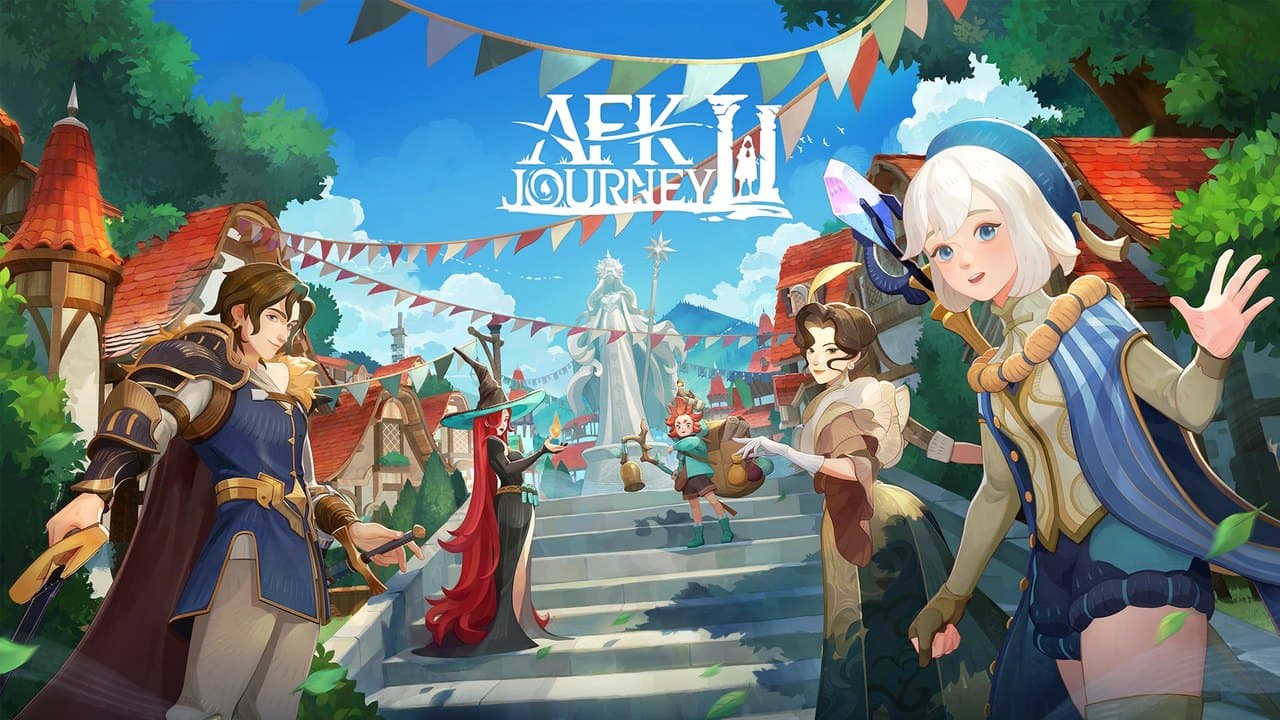
1. AFK Journey: the best pure idle experience
If "idle" is the word that brought you here, this is the answer. AFK Journey is built from the ground up around offline progression: your team farms EXP, gold, and gear while the app is closed, and you log in to collect, upgrade, and clear the next stage wall. Combat is auto-resolved around formations and positioning, so the strategy is in team composition and placement, not reflexes.
Best for: players who want to think about their roster for ten minutes a day and let the game play the other twenty-three hours. The catch: the "AFK" ceiling means progress paces itself, and hard stages ask you to actually optimize rather than idle through. That is a feature, not a bug. How idle it really is: as idle as the genre gets. This is the modern successor to the whole AFK subgenre.
2. Blue Archive: set-and-watch done with style
Blue Archive is the auto-battle game that connoisseurs point to. You build teams around student roles, deploy them, and hit auto, and the joy is in the puzzle of assembling the right squad for each stage rather than the execution. Its enormous, beloved story and seasonal events give you a reason to keep pulling long after the meta is solved.
Best for: players who love team-building and character writing but do not want to manually pilot a fight. The catch: the toughest raid content rewards precise skill-timing, so the very top end is less hands-off than the campaign. How idle it really is: low-effort auto-battle rather than offline idle, and one of the most charming versions of it.
3. Reverse: 1999: the auto-battle you will want to watch
One of our Core Four, Reverse: 1999 earns its spot because it is genuinely low-APM without feeling shallow. The turn-based card combat has a proper auto toggle for farming, so your dailies clear themselves, while the fights you care about reward manual play. Add the best atmosphere and writing in the genre and you have an auto-battler you will happily sit and watch anyway.
Best for: players who want a low-input game that is also a genuine story to sink into. Start with our Reverse: 1999 review and beginner guide. The catch: endgame optimization has real depth if you want it; auto will carry the routine, not the hardest content. How idle it really is: excellent auto for the grind, hands-on for the highlights.
4. Honkai: Star Rail: auto that carries the chores
Another Core Four pick. HSR's combat is turn-based and fully auto-able, which is exactly why it topped so many "respects your time" lists. Your daily routine is a five-minute auto-battle affair, the production values are console-tier, and you only need to take the wheel for the biweekly endgame.
Best for: players who want a premium, story-heavy RPG whose farming they can put on auto-pilot. See the full review. The catch: it is not idle; you still log in daily, and the endgame is manual. How idle it really is: best-in-class auto for everything routine, deliberate manual play for the peaks.
5. NIKKE: Goddess of Victory: auto with a trigger finger
NIKKE sits on the active end of this list, but it belongs here: the campaign and most farming can be left on auto, with the game handling aiming and cover for you. You only need to grab the controls for boss mechanics and the harder Interception fights. It pairs one of the genre's most talked-about presentations with genuinely low daily friction.
Best for: players who want a shooter's spectacle without a shooter's demands. Our NIKKE review and beginner guide cover the ramp. The catch: peak content (bosses, raids) really does want manual burst-timing. How idle it really is: auto for the grind, hands-on for the fights that matter.
6. Whiteout Survival: idle city-building with a gacha core
For players who like the builder side of idle, Whiteout Survival layers hero-collection gacha over a city-management loop that ticks along while you are away. Resources gather, research completes, and troops train on timers, so a few daily check-ins keep the machine running. It is the strategy-game answer to the idle itch. Our progression guide and hero lineup guide get you started.
Best for: players who want long-horizon base progression rather than a stage grind. The catch: it leans harder on timers and alliance play, and monetization is aggressive; a plan keeps it f2p-friendly. How idle it really is: genuinely idle on the economy side, more of a commitment socially.
7. AFK Arena: the original, still ticking
The game that popularized the whole "your heroes fight while you sleep" pitch is still running and still worth a look for newcomers to the format. It is showing its age next to AFK Journey, but it remains a clean, pure idle loop with a deep hero pool and low daily demands, and it is a gentle on-ramp if the genre is new to you.
Best for: players who want the classic, no-frills idle formula. The catch: it is the older design; AFK Journey does most of what it does, better. How idle it really is: the template the rest of this list is measured against.
How to pick
- Want the most genuinely offline game? AFK Journey, then Whiteout Survival for the builder angle, then AFK Arena.
- Want a great story with the fighting on auto? Reverse: 1999 and Honkai: Star Rail, both Core Four for good reason.
- Want low-effort team-building with personality? Blue Archive.
- Want spectacle without the reflexes? NIKKE.
The common thread across all seven is respect for your schedule. None of them punish you for logging off, and the best of them do their most satisfying work while you are doing something else. If you want to go even lighter, our best low-commitment gacha games list narrows it further, and the best mobile gacha games of 2026 covers the wider field. For the culture that grew up around playing on auto, see our piece on second-screen gaming.