Watch someone do their gacha dailies and you will often notice they are not really doing anything. The phone is propped against the base of the monitor. The game is on auto. A team of characters they spent months building and a small fortune of premium currency chasing is clearing a stage on its own, and the person who owns them is looking at a different screen entirely, half-listening for the little chime that means it is over and they can tap the next one.
This is not a fringe habit. For a huge slice of the gacha audience, it is the normal way to play. And it is worth sitting with how strange that is, because we have quietly built an entire genre of games designed to be watched out of the corner of your eye.
The button that plays the game for you
Almost every modern gacha ships with some version of auto: an auto-battle toggle, a sweep or "quick clear" that skips the fight entirely and just hands you the rewards, an auto-repeat that runs a stage until your stamina is gone. These are not hidden. They are front and center, often unlocked early, sometimes advertised as a feature. The message from the developer is explicit: you do not have to actually play this.
There is a good reason it exists. A live-service game asks for your time every single day, forever. The daily resource run, the stamina dump, the login rewards, the small mandatory chores that keep your account growing: if you had to play all of that by hand, attentively, every day, most people would burn out in a month. We have written before about the way daily logins start to feel like a second job, and auto-battle is the genre's honest answer to that pressure. It is the developers admitting that the daily grind is not the fun part, and handing you a way to get through it without pretending otherwise.
So we take it. Of course we take it. And then something odd happens to the relationship.
The characters you never watch fight
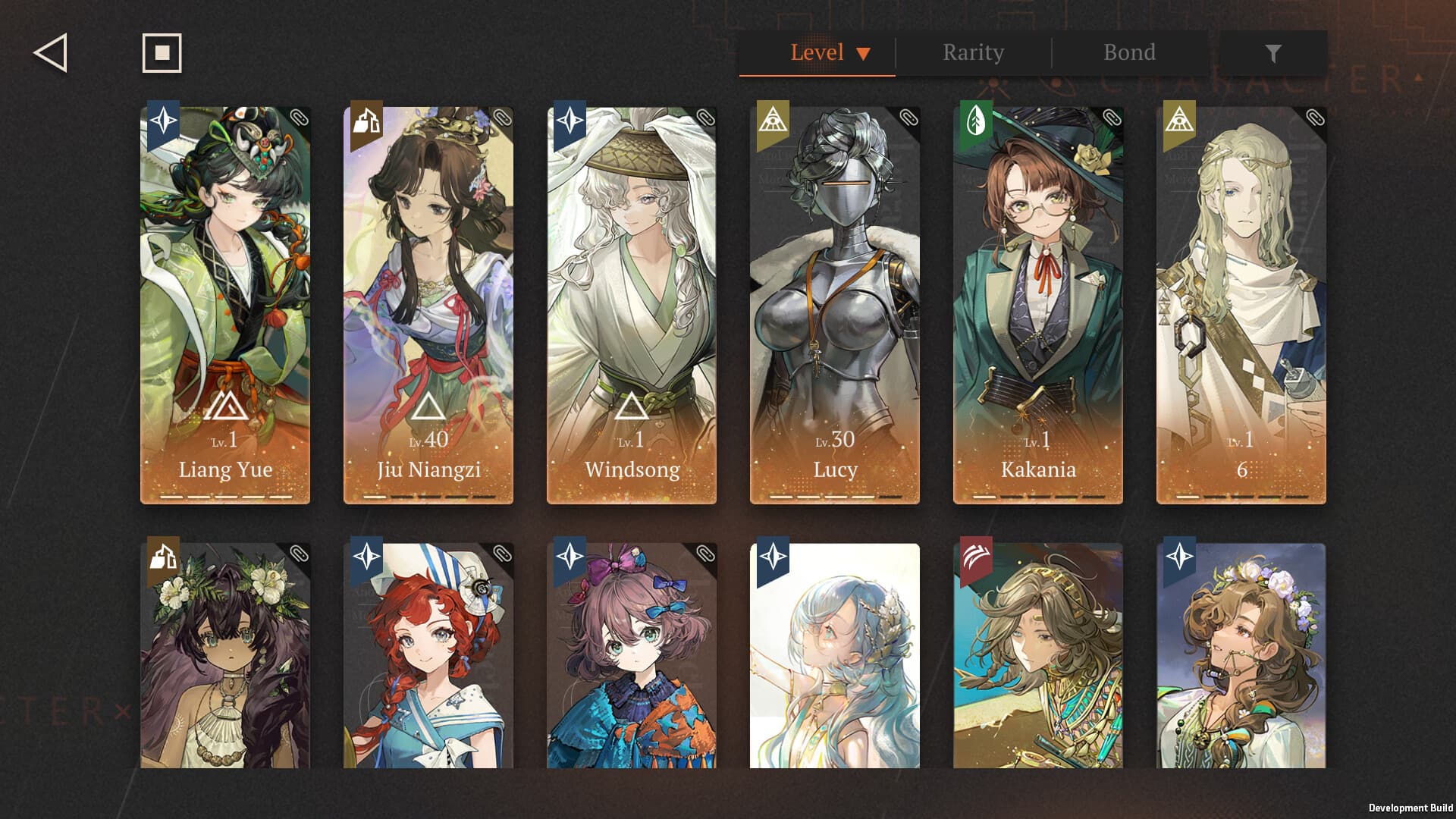
Here is the tension nobody quite names. The whole pitch of a gacha game is attachment. You pull for a character because you like them, their design, their voice, their place in the story. The figures and merch, the fan art, the birthday celebrations: all of it runs on the idea that these units are not spreadsheet entries, they are yours, and you care about them.
And then, most days, you set them to auto and look away.
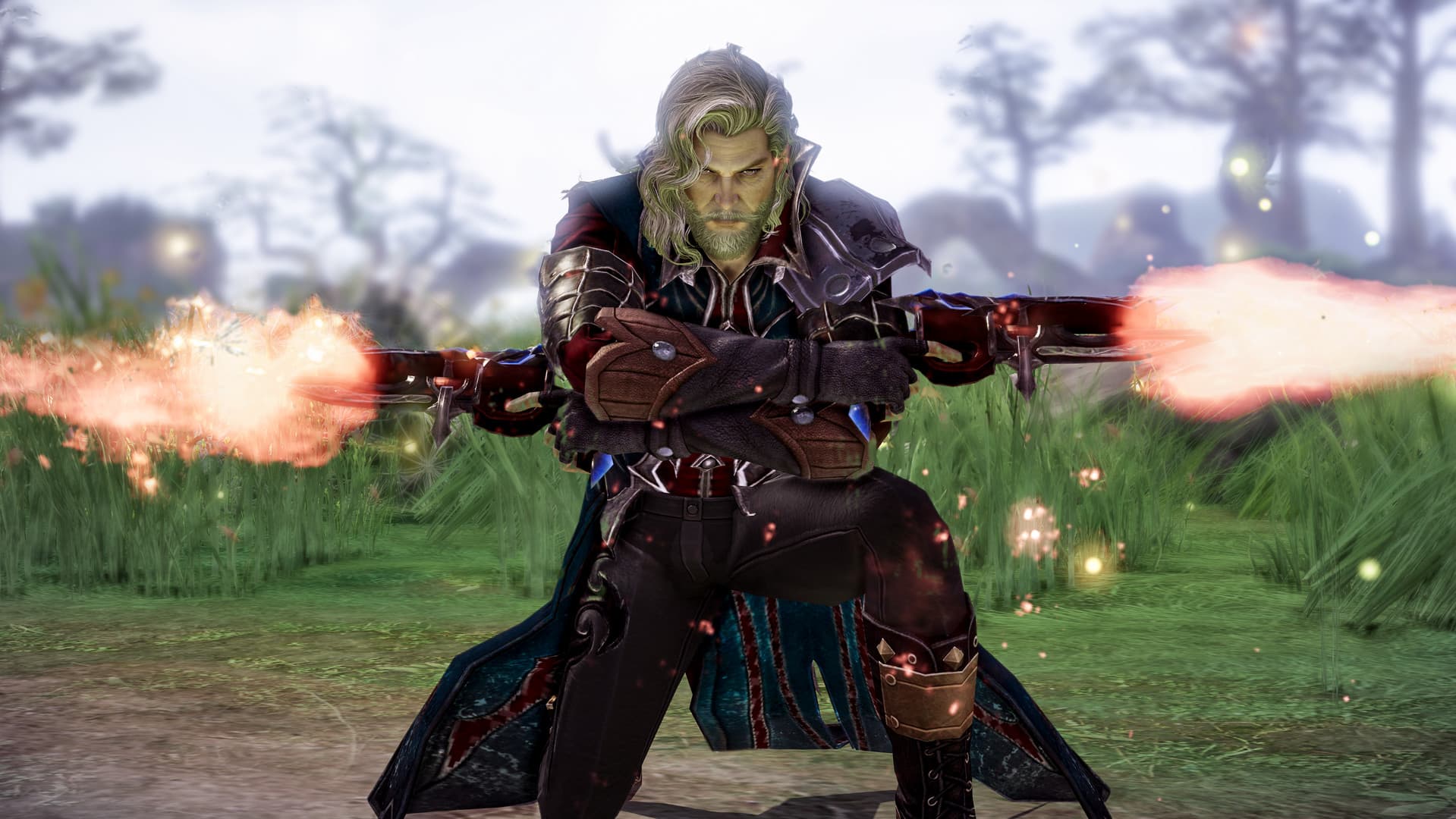
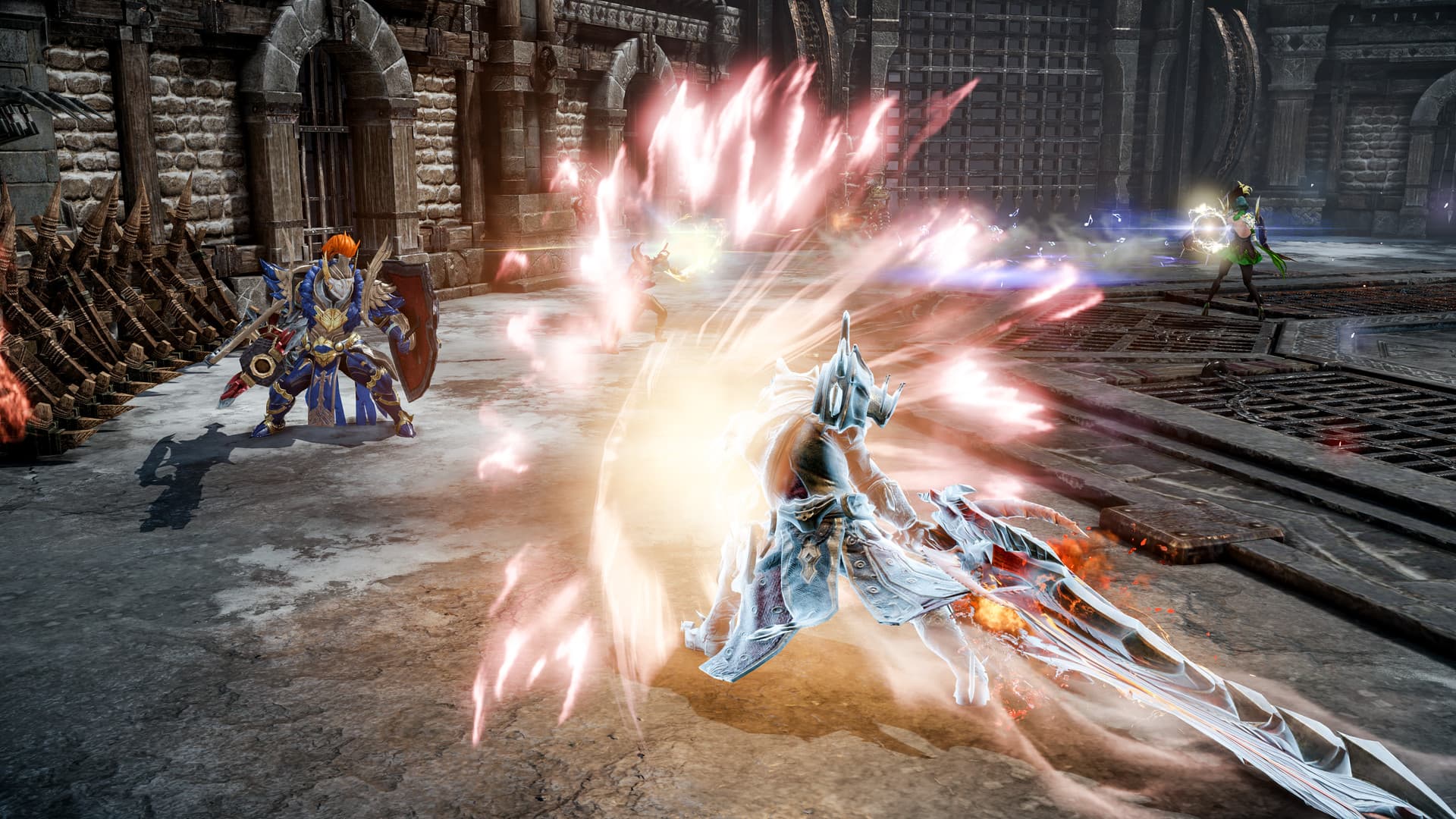
There is a real contradiction there. We spend enormous emotional and financial energy acquiring characters, then spend most of our actual playtime not watching them do the thing they exist to do. The combat, the animations, the flashy ultimate you were so excited to see in the pull trailer, all of it plays to an empty room while you scroll something else. The character is loved as an object and ignored as a participant.
It is a bit like buying a beautiful instrument and mostly using it to hold up a shelf.
Playing without watching
The second screen changes what "playing" even means. When a game is on auto, your involvement is not skill or attention, it is setup. The playing happened earlier, when you built the team, tuned the stats, planned the rotation, decided who goes where. Once that is done, the daily execution is just the team proving that your earlier decisions were correct. You are not the pilot anymore. You are the engineer, and the machine runs the flight while you do something else.
For a lot of people, that is genuinely the appeal. The satisfying part of these games was never the tenth time you cleared the same resource stage. It was the puzzle of the build, the theorycraft, the moment your team finally auto-cleared content that used to require your full focus. Auto-battle is the reward for having figured the game out. Watch a veteran and the auto button is a trophy: it means they solved this content so thoroughly they no longer need to be present for it. That is why the community's theorycrafters matter so much. They are optimizing the game precisely so the rest of us can stop paying attention to it.
But it also means the game gradually recedes into the background of your life rather than occupying the front of it. You are not "playing gacha" in the evening the way you might play a single-player game. You are keeping a small set of accounts alive in the margins of everything else you do, on the bus, during a meeting, while a show plays. The game becomes ambient. It is less an activity than a subscription you service.
Is it still love if you never look?
Which brings us to the uncomfortable question. If you set a game to auto every day, sweep the stages you can, skip the story, and only really engage on banner days when a new character drops, are you playing it? Or are you maintaining it?
The honest answer is probably both, and probably that the ratio shifts over the life of an account. Early on, you watch everything. The fights are hard, the characters are new, you are present. Years in, the same account is mostly ambient, a set of habits you perform without much thought, punctuated by the occasional patch that pulls you back into actually looking at it. The players who have lived in one game for years know this arc well: the intensity of attention fades, the attachment does not, and the auto button is what lets the second thing survive the first.
Maybe that is fine. Maybe a hobby you can do with one eye, that costs you a few minutes a day and occasionally rewards you with something you genuinely stop to watch, is a perfectly reasonable thing to have in an adult life with no spare hours in it. The second screen is not a failure of the genre. It might be the most honest thing about it: an entertainment product that knows it is competing for the scraps of your attention and designed itself to win with the scraps rather than demand the whole thing.
Still, it is worth occasionally turning auto off. Watching the team you built actually fight, seeing the animations you paid for, being present for the thing you say you love, even for one stage. Not because the game requires it. Because it is a quiet reminder of why you started propping the phone against the monitor in the first place.