Here is a fact the trailers never mention: the gacha game you love will die. Not maybe. Every single one, eventually. Unlike a boxed game you can still boot up in twenty years, a live-service gacha exists only as long as someone keeps the servers running, and one day someone will decide they are not worth running anymore. When that day comes it has a clinical name, end of service, usually shortened to EOS, and it is one of the strangest griefs in modern gaming.
Most players never think about it until it happens to a game they poured years into. This piece is about looking at it on purpose: what EOS actually does, why it stings in a way a normal ending does not, how to read the signs, and how to keep playing these games with your eyes open.
What "end of service" actually means, mechanically
A shutdown is not one event, it is a sequence, and it usually runs in a predictable order:
- The announcement. The studio posts a notice, typically weeks to a few months out, giving a final service date. This is also when the storefront closes.
- Purchases stop. You can no longer buy premium currency. Often the game hands out huge piles of free currency in the final weeks, because there is nothing left to sell and no reason to hold it back. The last patch of a dying game is frequently the most generous it ever was.
- The farewell period. Banners go free or near-free, story gets unlocked, difficulty gets turned down. Players log in to say goodbye, screenshot their rosters, and clear content they never finished.
- The servers go dark. On the final date, the game becomes unplayable. Because nearly every gacha is online-only, this is total. The app still sits on your phone, but it opens to an error screen or a static farewell image. There is no offline mode to fall back on.
- After. The account, the roster, the rank, the years, all of it stops existing in any accessible form. Sometimes a studio releases an offline or "memorial" build, but that is the rare exception, not the norm.
The brutal part is step four. A single-player game you bought is yours; a gacha you invested in is a lease that can be terminated. When it ends, you do not keep a diminished version. You keep nothing but memories and screenshots.
Why it hits harder than a normal ending
Plenty of games end. Campaigns roll credits, MMOs sunset, franchises get abandoned. EOS on a gacha lands differently, for reasons that are baked into the format.
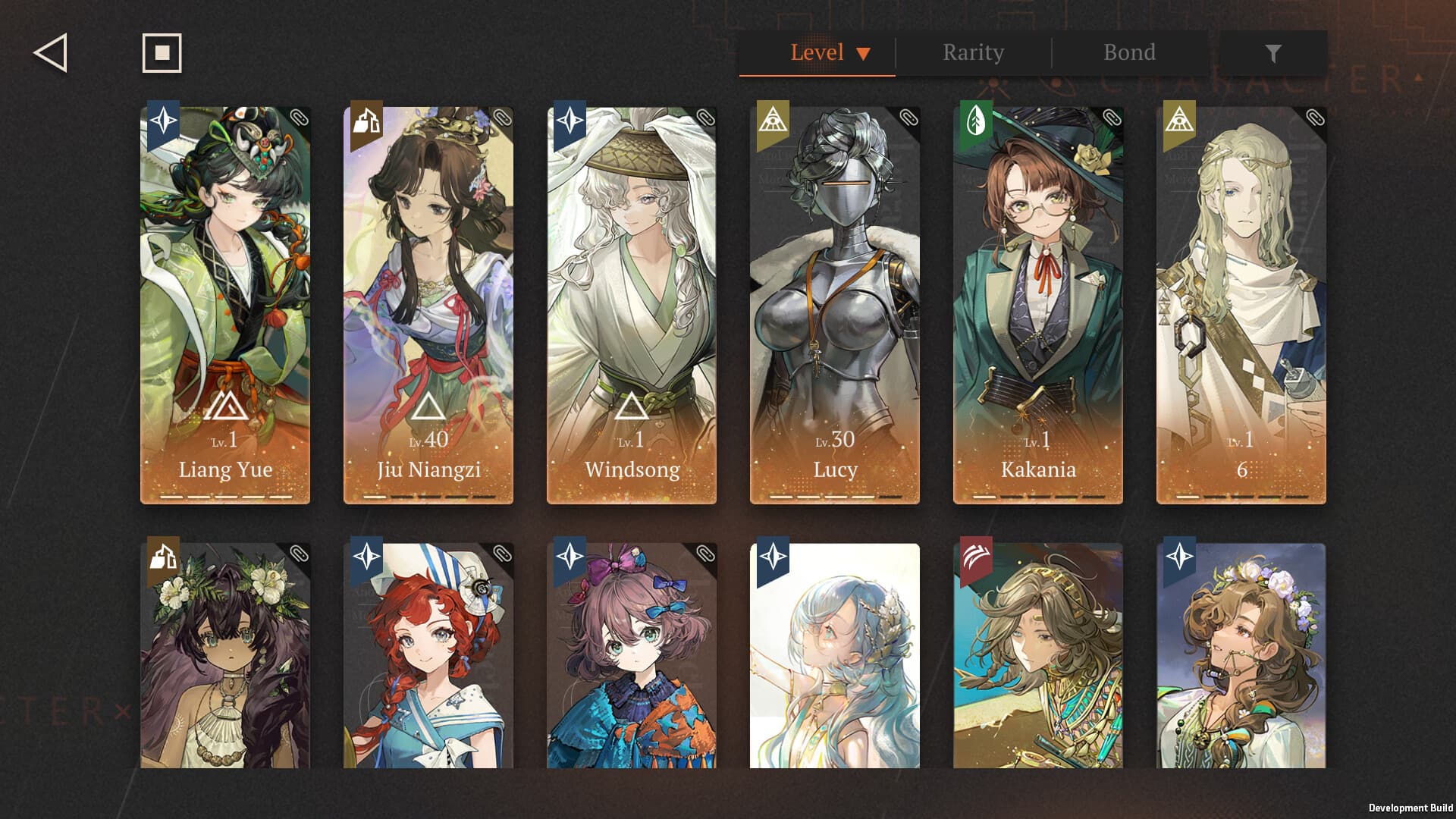
You paid for characters, not a product. Gacha spending is not "I bought this game." It is "I spent money, sometimes a lot, to collect specific characters I formed an attachment to." When the servers close, those characters do not go into a collection you keep. They evaporate. The money bought access to a relationship with a thing that no longer exists. That is a category of loss most entertainment does not have.
The time investment is enormous and daily. These games are designed around logging in every day for years. An account that dies at EOS can represent thousands of small sessions, a habit woven into your daily life. Losing it is closer to losing a routine than finishing a story. We wrote about how that daily loop grips you even in the content droughts, and it is the same hook that makes the shutdown ache.
There is no artifact. When a beloved TV show ends, you can rewatch it. When a game you own is abandoned, you can still play it. When a gacha dies, there is frequently nothing to return to at all. The preservation problem here is severe: story you can never replay, characters you can never see move again, a whole world that is simply gone. For a genre that leans so hard on narrative and attachment, that permanence of loss is uniquely rough.
Reading the warning signs
You cannot predict EOS precisely, but dying games tend to telegraph it. None of these alone is a death sentence, but stacked together they are a pattern worth respecting:
- Slowing content cadence. Patches stretch from monthly to "whenever," events get recycled, and the roadmap goes quiet. A live-service game that stops feeding itself is starving.
- Reruns replacing new units. When a game leans almost entirely on rerunning old banners instead of designing new characters, the development budget has usually been cut.
- Regional shutdowns first. Many global gacha games die by region. A shutdown of a smaller regional server or a publisher handoff is often the first domino.
- Desperate monetization or the opposite. Sudden aggressive spending pushes can signal a studio squeezing a dying asset, and so can suspiciously lavish free giveaways from a game that used to be stingy.
- Silence from the developers. Community managers going quiet, streams getting canceled, social accounts slowing down. Healthy live-service games are loud. Dying ones go quiet before they go dark.
The uncomfortable truth from the global versus CN divide is that the clearest early warning is often what is happening on a game's home server months before your region feels it.
How to play a mortal game sanely
Knowing your game will die is not a reason to avoid gacha. It is a reason to hold it a little differently.
- Spend as if you are buying the experience now, not an asset forever. The healthiest frame is that your money buys the fun you are having this year, not a permanent possession. If a purchase is only "worth it" assuming the game runs for a decade, it was never worth it.
- Take the screenshots while it is alive. If you love a game, capture your roster, your favorite scenes, your account milestones, along the way. When EOS comes, that archive is the only thing you get to keep.
- Let attachment be the point, not the risk. The fact that these worlds are temporary is part of what makes them feel alive. You do not refuse to love something because it will end. You love it knowing it will.
- Keep a rotation, not a monogamy. Being invested in a couple of games with different studios and different lifecycles softens the blow when one of them sunsets, the same way it softens a content drought.
The honest take
Every gacha game is a sandcastle. It is built beautifully, it is meant to be enjoyed while the tide is out, and the tide is always coming back in. End of service is not a betrayal or a scandal, it is the format working as designed: these are services, and services end. The players who take it hardest are usually the ones who quietly believed their game was the exception. None of them are.
So play the ones you love. Spend within the frame that you are buying joy now, not eternity. Take your screenshots. And when the maintenance notice finally comes, and for your games it eventually will, you will have gotten exactly what these worlds are for: years of something you cared about, on loan, and worth it anyway.