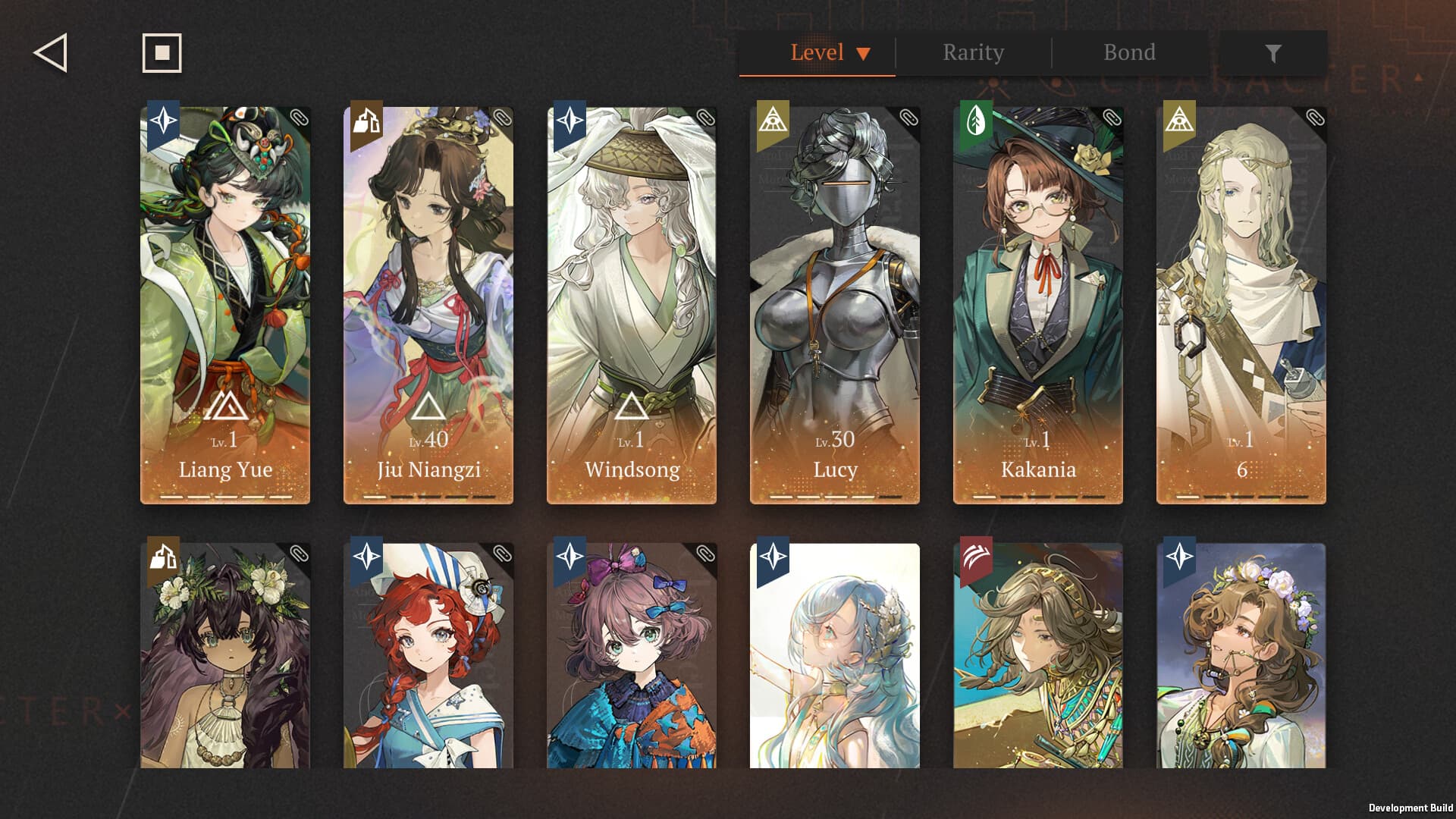
A new five-star drops at 11 a.m. By 2 p.m. there is a build guide. Not an official one, the developers rarely publish those, but a thorough, sourced, spreadsheet-backed writeup by someone with a username instead of a job title. They have already reverse-engineered the character's damage formula, tested three artifact configurations, ranked its best teammates, and written it all up for exactly zero dollars. This happens every patch, for every game, and almost nobody stops to ask why.
The gacha meta is not handed down by the studios. It is built, nightly and for free, by a volunteer workforce most players never see.
The work the developers do not ship
Here is the quiet scandal of the genre: the games are frequently opaque about their own numbers. Exact multipliers, hidden scaling, the real math behind a reaction or a break, this is often left undocumented, buried in the code, or communicated only in vague tooltip language. A studio will happily sell you a character without ever telling you, in plain numbers, how to make it good.
Into that gap steps the community, and it does an astonishing amount of unpaid engineering:
- Frame-data miners who record and count the exact timing of animations so rotations can be optimized.
- Damage-calculator authors who build entire simulation tools, sometimes more accurate than anything the developer offers, and give them away.
- Wiki editors who document every character, item, and mechanic, keep it current across patches, and translate it across languages.
- Spreadsheet theorycrafters who model "what if" scenarios and turn a fog of vibes into a ranked, defensible answer.
None of this is in anyone's job description. All of it is load-bearing. Strip it out and the average player would be flying blind, and the games know it, because they quietly rely on it.
Why people do it for nothing
The obvious question is why. The pay is nothing, the hours are real, and the work resets every patch when the numbers change. The answers are more interesting than "for the clout."
Some of it is the pure pleasure of the puzzle. A gacha character is a locked box of numbers, and for a certain kind of mind, cracking it is the actual game, more fun than playing the thing it optimizes. Some of it is status inside a community that respects competence, a currency that spends only among people who understand what you did. And a lot of it is something closer to civic duty: the sense that the information should exist, that a new player should not be fleeced by a bad build, and that if the developer will not draw the map, someone ought to.
That last motive is the one that matters most, because it is the one that keeps the whole system honest. The best theorycrafters are, functionally, consumer advocates. They tell you a hyped character is mid before you spend, they flag when a "must-pull" is a trap, and they do it with receipts.
The fragile economics of free
A system built entirely on volunteer passion is powerful and precarious in equal measure. It runs on goodwill, and goodwill is not renewable on demand.
Burnout is constant. Maintaining a calculator or a wiki through years of patches is grinding, thankless work, and the people who do it are a tiny fraction of the players who depend on them. When a key contributor walks away, the tool they maintained can rot in a single patch, and often nobody notices until the numbers are already wrong. There is also the awkward matter of extraction: content farms and even the games' own storefronts routinely absorb community findings without credit, repackaging a stranger's careful math as a listicle or a marketing beat.
The community has been slowly professionalizing in response, through creator programs, ad-supported sites, and the creators worth actually following, which lets some of this labor finally earn a living. But the base layer, the person maintaining a formula sheet at midnight for the love of it, remains as unpaid and as essential as ever. And when datamining and leaks run ahead of the official reveal, it is these same volunteers who sort the credible from the fake.
What this means for how you read the meta
Knowing where your information comes from changes how you should use it.
- Trust sourced work over vibes. A tier placement with a damage calculation behind it is worth ten confident forum posts. Ask what the ranking is based on.
- Remember the meta is a snapshot, not scripture. It is maintained by humans reacting to patches in real time. Early numbers get revised as more people test; a "final" verdict on launch day is rarely final.
- Credit the source. The single cheapest way to keep this ecosystem alive is to name and thank the people whose work you are repeating. It costs nothing and it is most of what they are paid in.
We think about this a lot at HostedGG, because a player-maintained command center is exactly what this culture built by hand: the tier lists, the codes, the build guides, kept current by people who care whether the next player gets it right. Our own community freshness reports lean on the same instinct, readers flagging what has gone stale so the map stays accurate. The meta was never the developers' gift. It was always the community's project, and the least any of us can do is treat it that way.