
What changed
Somewhere in the last few years, the official reveal stopped being where players learn what is coming. In most live-service and gacha games, the community already knows the next characters, the next region, and the next balance changes weeks before the developer says anything, because the information leaks out of betas and datamines first. Those leaks do not just satisfy curiosity, they actively run the meta: pull plans, tier lists, and save-or-spend decisions get built on datamined kits long before those kits are official. This is a HostedGG culture piece, so we are not here to moralize about leaks. We are here to explain how they took over, why the whole ecosystem quietly depends on them, and how to read a leak without letting it make your decisions for you.
What "The Leak" Actually Is
Leaks come from a few reliable sources, and it helps to know which is which because they are not equally trustworthy.
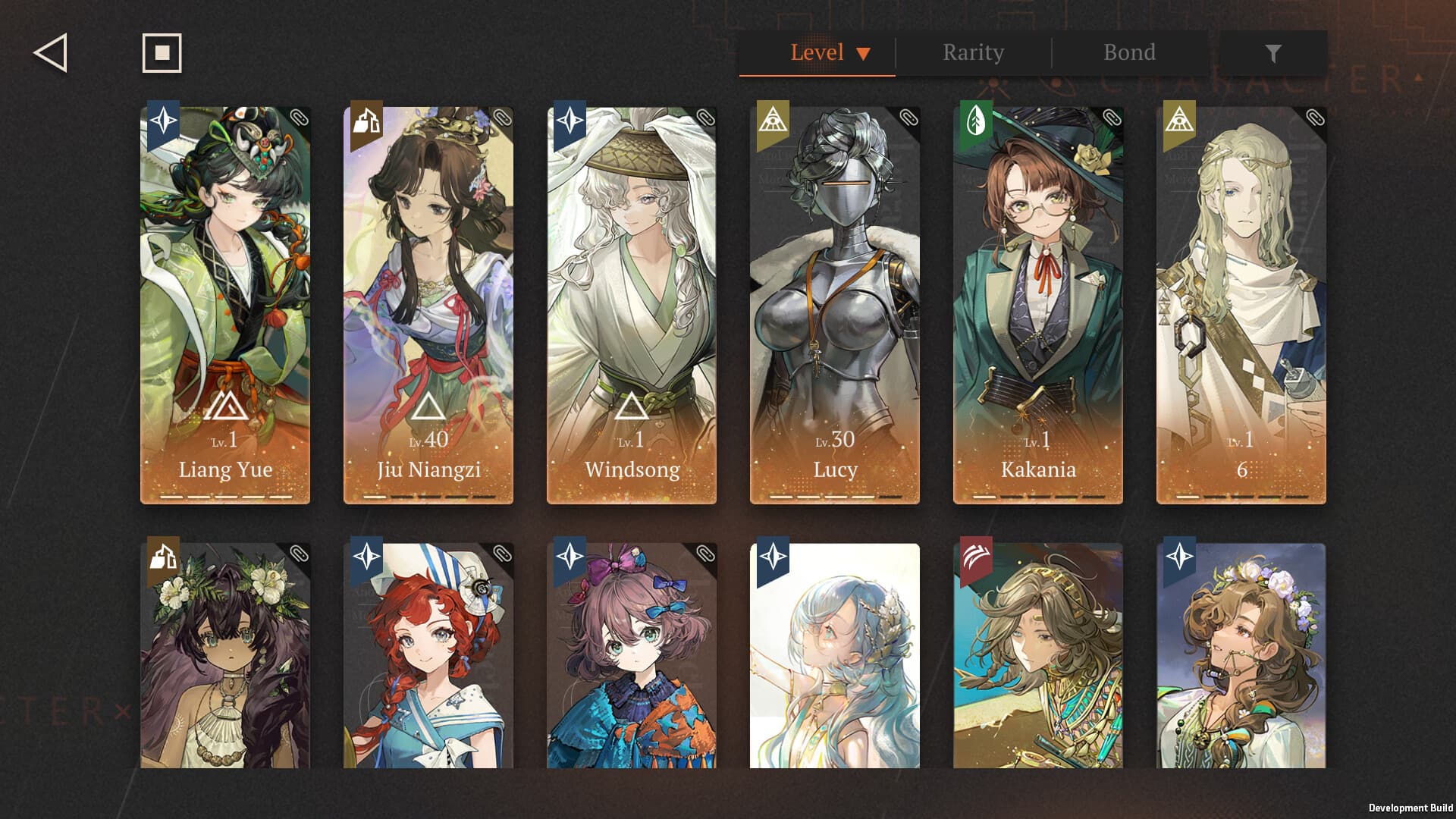
- Beta builds. Many games run closed test servers a version or two ahead of the live game. Testers see upcoming characters, kits, and content, and that information escapes almost immediately. Beta leaks are usually accurate about what is being tested, but everything in a beta can still change before it ships.
- Datamines. When an update goes live, its files often contain assets and references for content that is not active yet: future characters, unreleased regions, event scaffolding. Datamined existence is real, but datamined timing is a guess.
- Insider chains. Second-hand information passed through leakers with a track record. The good ones are right often enough to be worth following, but they are the least verifiable link in the chain.
The key distinction runs through all of it: existence is more reliable than timing, and timing is more reliable than final numbers. A leak can be completely correct that a character exists, wrong about when they arrive, and wildly off on their exact kit, all at once.
How Leaks Became the Real Roadmap
The official roadmap tells you a studio's intentions. The leak tells you what is actually in the build. For a planning-obsessed community, the second one is more useful, and that is why it won.
Consider how a modern gacha player makes a decision. They are sitting on a limited stockpile of premium currency, they can only afford so many pulls, and the games are explicitly designed to make them choose. In that situation, information is money. Knowing that a stronger unit is coming in two patches changes whether you pull now or wait. The official channels will not tell you that in time. The leak will. So the leak becomes the load-bearing input for the single most important decision the game asks you to make.
That is the mechanism. Leak culture did not take over because players are impatient. It took over because the games are built around scarce, high-stakes choices, and leaks are the only source that informs those choices early enough to matter. The community did not choose leaks over the reveal. The economics chose for them.
What Leaks Cost
The trade is real, and it is not free.
They kill the surprise. The single biggest cost. A character reveal that should be a moment lands with a shrug because everyone saw the datamine a month ago. Studios spend real effort building anticipation, and leaks spend it for them, early and without the polish. The first-time magic of not knowing what is next is mostly gone from the genre.
They set expectations that reality has to fight. When a datamined kit circulates and then the shipped version is different, the community often treats the change as a nerf or a betrayal, even though the leaked version was never final. Leaks manufacture a baseline that the actual release then gets measured against unfairly.
They compress the fun into anxiety. A healthy way to enjoy a live game is to look forward to what is next. Leak culture converts that into a running audit of whether you are saving correctly for units that are not confirmed and might change. The anticipation curdles into homework.
They punish the honest reveal. When the community already knows everything, the official Special Program or developer stream has nothing left to give but confirmation. The showcase becomes a formality, which is a strange thing to do to the one moment a studio actually controls.
Why Studios Tolerate It
Here is the uncomfortable part: leaks are not purely a problem for developers. They keep a game in the conversation during the dead weeks between patches, they generate free hype that no marketing budget could buy, and they let the most engaged players feel like insiders. A game with a thriving leak scene is a game people still care about. Plenty of studios publicly discourage leaks while privately benefiting from the constant low-grade buzz they generate. That tension is why the crackdowns are usually louder than they are effective.
How to Consume Leaks Without Getting Played
You do not have to swear off leaks to avoid being run by them. You just have to read them correctly.
- Rank your confidence by source, not by excitement. Beta footage beats a datamine, a datamine beats an insider tweet, and an insider tweet beats a screenshot with no provenance. Weight accordingly.
- Separate existence, timing, and numbers. Believe that something exists. Hold its date loosely. Ignore the exact kit values until the live server confirms them.
- Do not make irreversible decisions on reversible information. It is fine to save currency based on a leak, because saving is reversible. It is not fine to spend your entire stockpile chasing a leaked unit whose kit could change before it ships.
- Give yourself permission to be surprised. You can simply not read the leaks for a character you are excited about. The surprise is still available. You just have to choose it.
The Bottom Line
Leak culture is not going away, because it is load-bearing. It informs the exact high-stakes choices these games are designed around, and no official channel is willing or able to fill that role in time. The reveal is now the confirmation, and the datamine is the roadmap. That is the deal the genre has made. The move is not to pretend leaks do not exist, it is to read them like a professional: sort by source, separate what is certain from what is speculative, and never let information that can change drive a decision that cannot. Do that, and the leak becomes a tool you use instead of a leash that uses you.