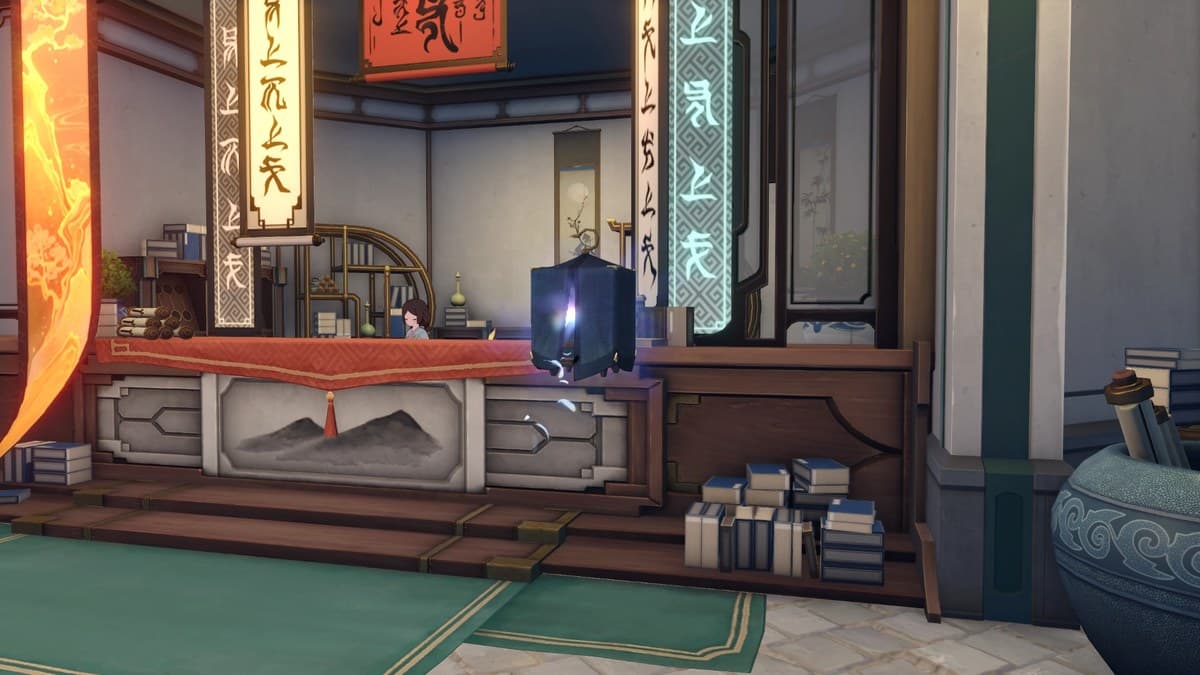
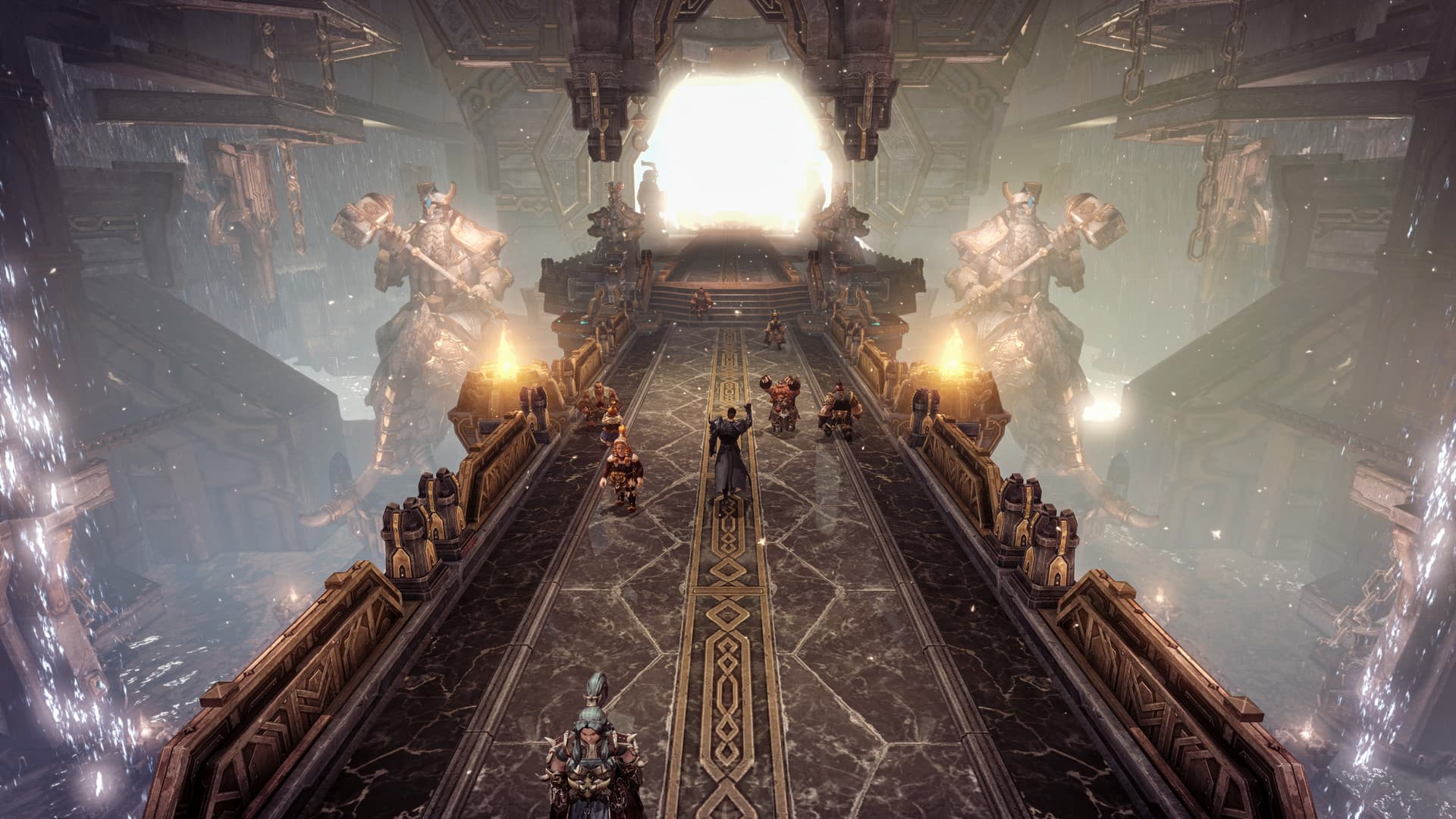
If you are clearing your dailies and cashing the occasional event but ignoring the three endgame modes, you are quietly turning down the single largest recurring source of Stellar Jade in Honkai: Star Rail. Memory of Chaos, Pure Fiction, and Apocalyptic Shadow each hand out a stack of Jade every cycle, they all reset on the roughly six-week patch rhythm, and crucially they do not test the same thing. A team that flattens one can bounce off another. This guide is about understanding what each gauntlet actually asks for, and building so you can max all three instead of one.
New to the roster side of things? Pair this with our best characters guide and relics and light cones guide, because endgame clears are downstream of solid builds.
The one idea that ties all three together
Before the specifics, internalize this: the three modes reward opposite team shapes on purpose. HoYoverse designed them so no single "best team" clears everything, which is why a well-rounded account beats a min-maxed one here. In the broadest strokes:
- Memory of Chaos wants single-target burst to delete tough bosses fast.
- Pure Fiction wants multi-target wave clear to mulch endless swarms.
- Apocalyptic Shadow wants break and elemental precision to punish specific boss mechanics.
Build two strong teams that lean in different directions and you can cover all three. Build one hyper-tuned single-target team and you will wall hard the moment a mode asks for something else.
Memory of Chaos: the single-target crucible
Memory of Chaos is the oldest and most familiar gauntlet, and it is fundamentally a DPS check against tanky enemies under a turn limit. You get two halves, each with its own team and a small number of cycles to clear, and the top stages throw elite enemies and bosses with large health pools at you. Full stars mean killing hard targets fast.
What it rewards:
- Concentrated single-target damage. Hunt-path carries and hypercarry setups shine because the mode is usually about melting one or two priority targets before the cycle count runs out.
- Speed tuning. Squeezing an extra turn out of your carry through a speed breakpoint is often the difference between one star and three. Endgame is where relic speed substats earn their keep.
- A sustain you can trust. You rarely have time to babysit. A reliable healer or a shielder that lets the team ignore incoming damage keeps the DPS check from becoming a survival check.
How to build for it: put your best-invested single-target carry on the half with the nastier boss, pair them with their ideal buffer and sustain, and use your second-best core on the other half. Do not split your good relics evenly; MoC rewards one genuinely finished team more than two half-built ones.
Pure Fiction: the wave-clear playground
Pure Fiction flips the script. Instead of a few beefy targets, it floods the arena with large waves of weaker enemies, and it layers on buffs that reward you for hitting lots of things at once. This is the mode where area-of-effect and follow-up damage go from "nice" to "the whole point."
What it rewards:
- Blast and AoE carries. Units that hit multiple enemies per action, or that summon extra hits, rack up the score fast. A single-target hypercarry that dominates MoC can feel weak here because it kills one enemy while the wave regenerates around it.
- Energy and action economy. The mode's buffs often reward frequent ultimates and follow-up attacks, so characters and supports that generate energy and extra turns snowball hard.
- Score over speed. Pure Fiction scores you rather than just timing you, so sustained multi-hit output over the whole run matters more than one big nuke.
How to build for it: this is where your AoE-leaning core earns its slot. If your account skews single-target, Pure Fiction is the clearest signal to invest in an AoE carry and the supports that feed follow-up teams. It is the mode that most punishes a one-dimensional roster.
Apocalyptic Shadow: the break-and-weakness test
Apocalyptic Shadow is the most mechanically specific of the three. It pits you against powerful bosses with defined toughness bars and weaknesses, and it heavily rewards the Break playstyle: matching enemy weaknesses, shattering their toughness, and exploiting the damage windows that opens.
What it rewards:
- Break-focused teams. Break-effect carries and the supers that extend or amplify Break damage are tailor-made for this mode. Toughness-breaking is not a side benefit here, it is the scoring engine.
- Weakness matching. Because you are fighting specific bosses, bringing the right elements to break their bars quickly is often more valuable than raw damage. This is the mode where a "worse" carry with the correct element out-scores your best carry with the wrong one.
- Burst inside the break window. Once a boss is broken, the damage-taken multiplier is huge. Teams that can dump a big turn precisely when the bar shatters top the leaderboards.
How to build for it: read the boss weaknesses first, then assemble around them. A flexible bench of carries across different elements pays off more in Apocalyptic Shadow than anywhere else, so it is worth keeping a couple of off-meta units leveled purely as weakness answers.
A practical clearing order
When a new cycle resets, do not attack the modes randomly. Run them in the order that banks guaranteed Jade first:
- Start with the mode your account is strongest in. Lock in the easy full clear and the guaranteed Jade before you experiment.
- Do Apocalyptic Shadow with the boss weaknesses in front of you. Check the elements, then pick teams. This one rewards preparation more than power, so a few minutes of planning saves you a wasted attempt.
- Save your weakest mode for last, and treat partial stars as fine. You do not need a perfect clear to bank most of the reward. Grabbing the majority of the Jade from a mode you struggle with beats grinding one stage for an hour.
- Reinvest toward your gap. If Pure Fiction is where you keep losing stars, that is your account telling you to build an AoE core before the next cycle.
Where the Jade goes
Maxing all three modes every cycle is a meaningful, repeatable chunk of Stellar Jade, which is exactly the reserve you want built up before a banner you care about. If you are eyeing an upcoming pull, endgame clears are free pity progress in disguise. See our 4.6 preview for what is on the horizon, keep the codes page topped up for extra income, and use the tier list to decide which second carry actually widens your endgame coverage.
The takeaway is simple: three modes, three different questions, one well-rounded account that can answer all of them. Stop building a single perfect team and start building the bench that clears everything.