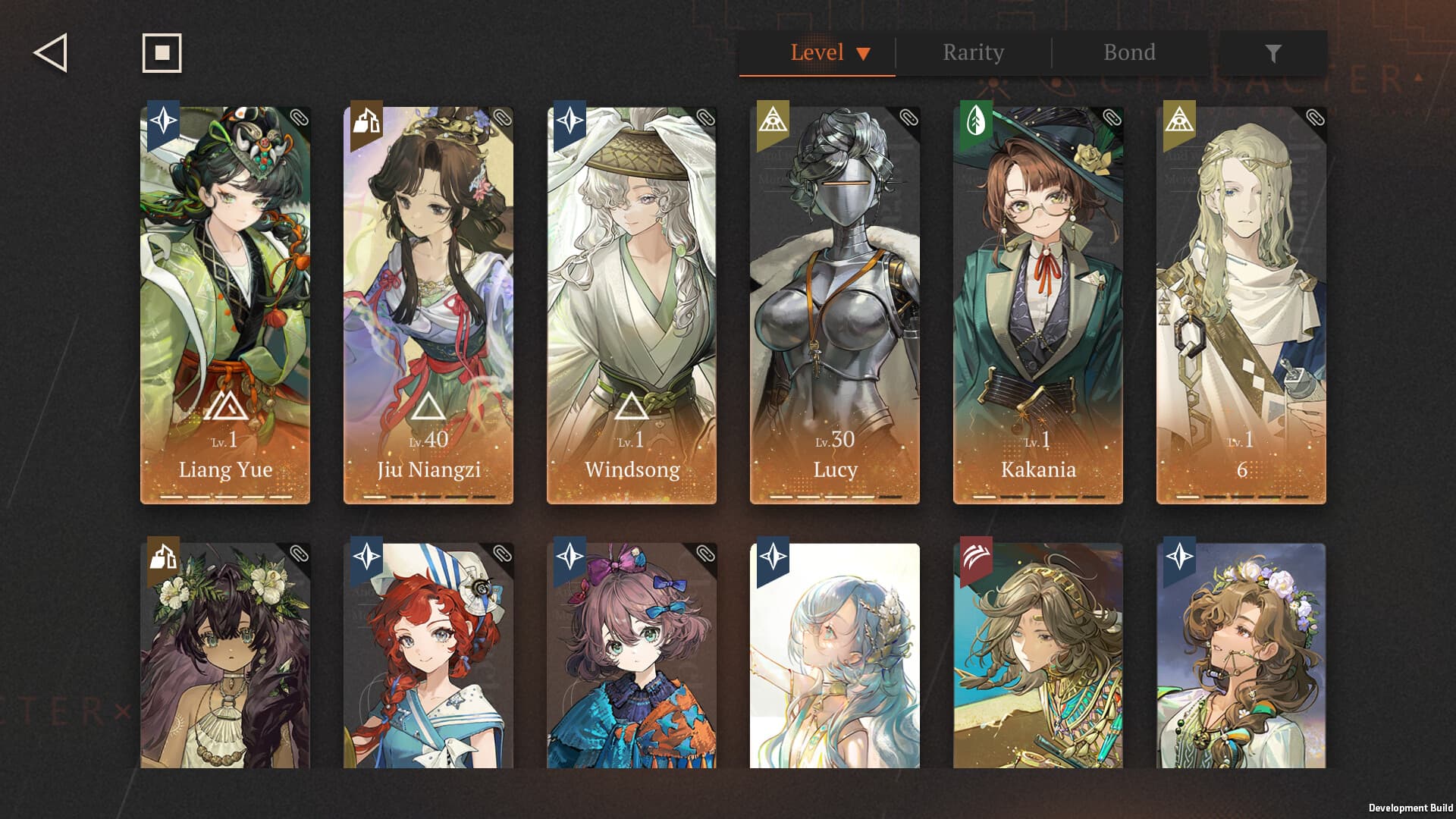
Action gacha gets the trailers, but turn-based is where a lot of players quietly settle in for the long haul. No reflexes to keep sharp, no combat that punishes a bad night. Just teams, rotations, and the slow satisfaction of a plan coming together, played on your own schedule with one hand free. If that is your speed, here are the five turn-based games worth your time in 2026.
The five in one line
- Honkai: Star Rail if you want the most polished turn-based game in the genre.
- Reverse: 1999 for the best writing and atmosphere.
- Persona 5: The Phantom X for style and a combat system with real teeth.
- Limbus Company for the deepest mechanics at the lowest cost.
- Fate/Grand Order for the genre's biggest story monolith and its most devoted fanbase.
Now the detail on each, and who should actually download it.
1. Honkai: Star Rail
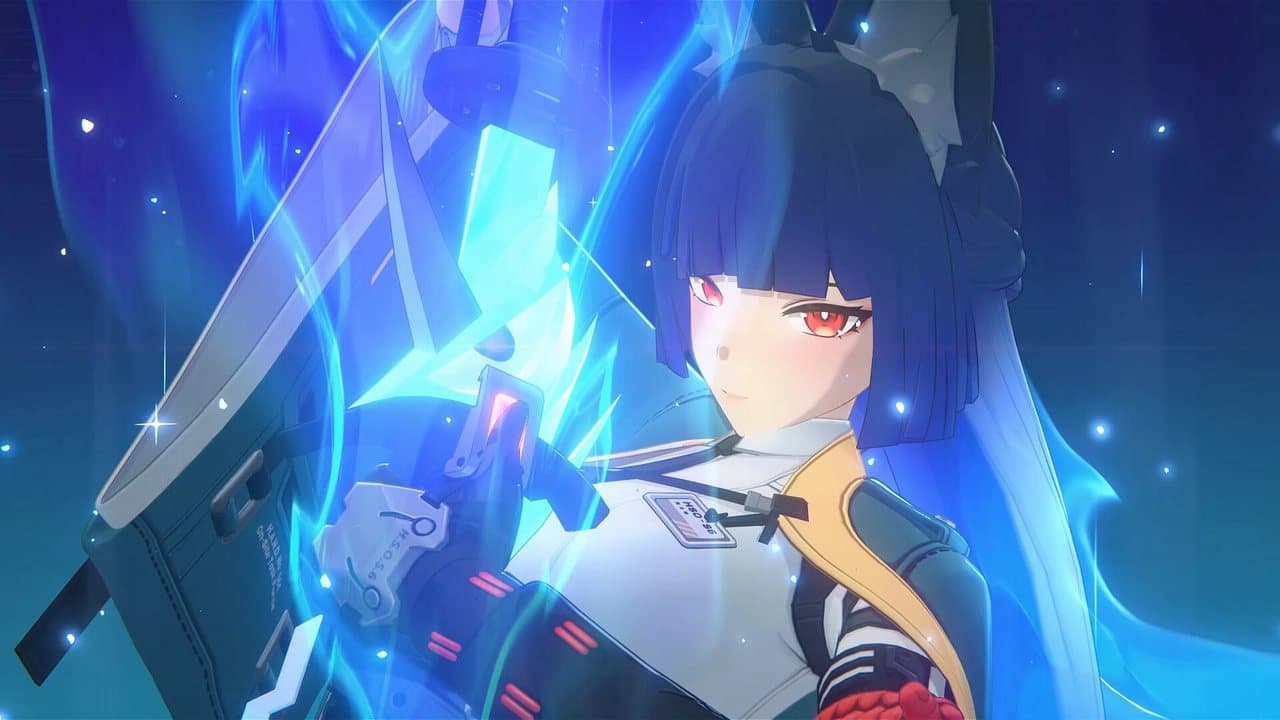
The default recommendation, and it earns it. HoYoverse took the turn-based RPG, wrapped it in extremely high production values, and built an endgame that respects your time. Combat is a readable dance of turn order, weakness breaks, and follow-up attacks, with enough depth to reward optimization and enough clarity that a newcomer is never lost.
What sets it apart in 2026 is the sheer breadth of its endgame. Between Memory of Chaos, Pure Fiction, Apocalyptic Shadow, and the newer rotating challenges, there is a steady drip of meaningful content that refreshes on a relaxed cycle rather than demanding a daily tithe. It is also genuinely generous, so a patient free-to-play account can keep pace with the characters it cares about.
- Best for: players who want the polished, mainstream turn-based experience with the biggest support ecosystem.
- Free-to-play friendly: yes, and the endgame rewards reliable pull income.
- Start here: the beginners guide, then the best characters guide and current best teams.
2. Reverse: 1999
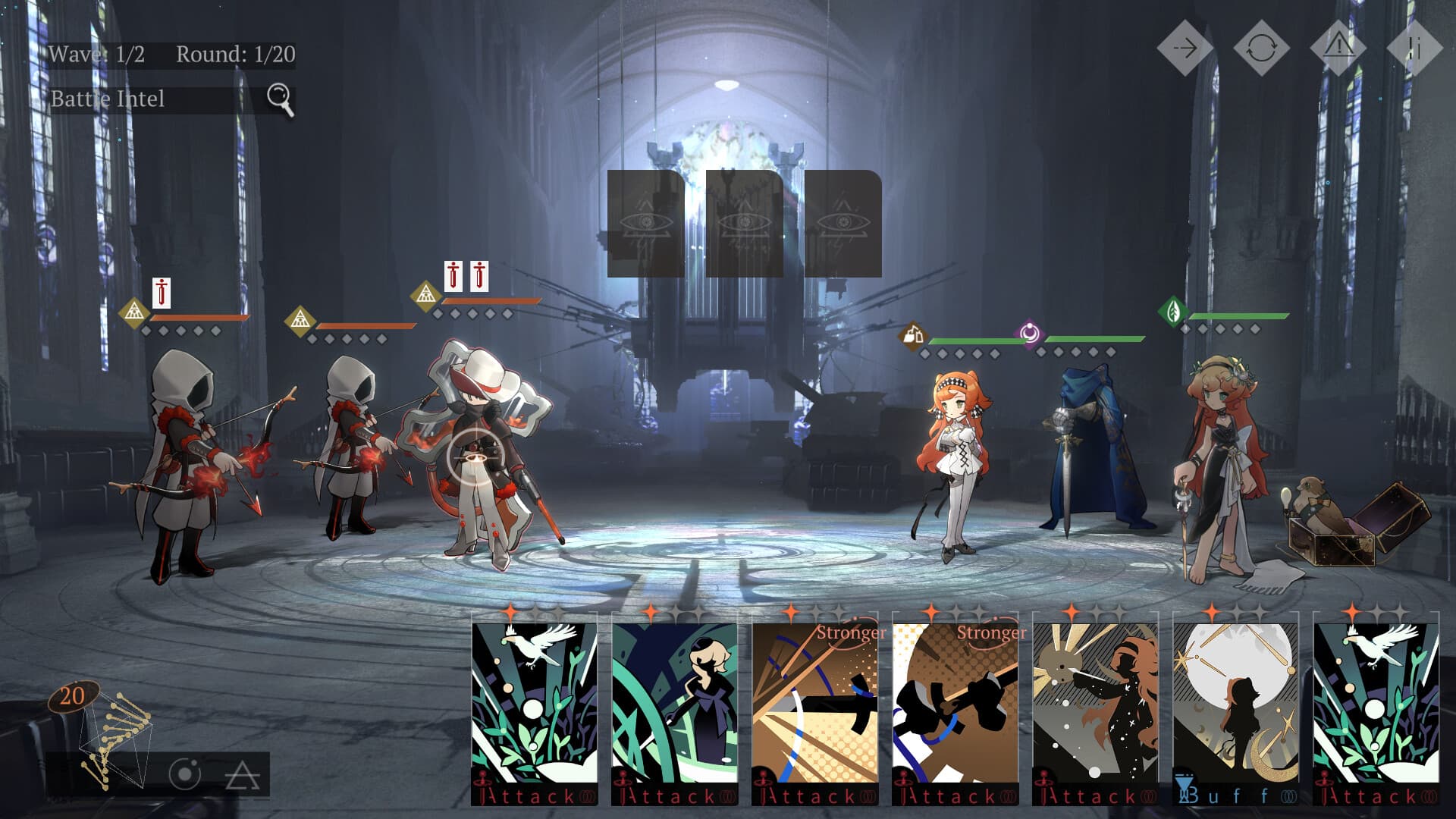
If Star Rail is the blockbuster, Reverse: 1999 is the prestige drama. Its twentieth-century time-travel setting, hand-drawn presentation, and fully voiced storytelling put it a cut above almost anything else in the genre on writing alone. Combat is a card-based turn system built on an Afflatus wheel, a rock-paper-scissors of elements that turns team building into a genuine puzzle rather than a stat check.
It is also one of the kindest games here to your wallet and your calendar. The endgame is short and forgiving, the pull economy is generous, and the whole thing is designed to be savored rather than ground. This is the pick for people who came for a story and stayed for a hobby.
- Best for: players who prioritize narrative, art, and atmosphere, and want a relaxed daily load.
- Free-to-play friendly: very. One of the most generous economies in the genre.
- Start here: the review, the beginner guide or reroll guide, and the tier list.
3. Persona 5: The Phantom X
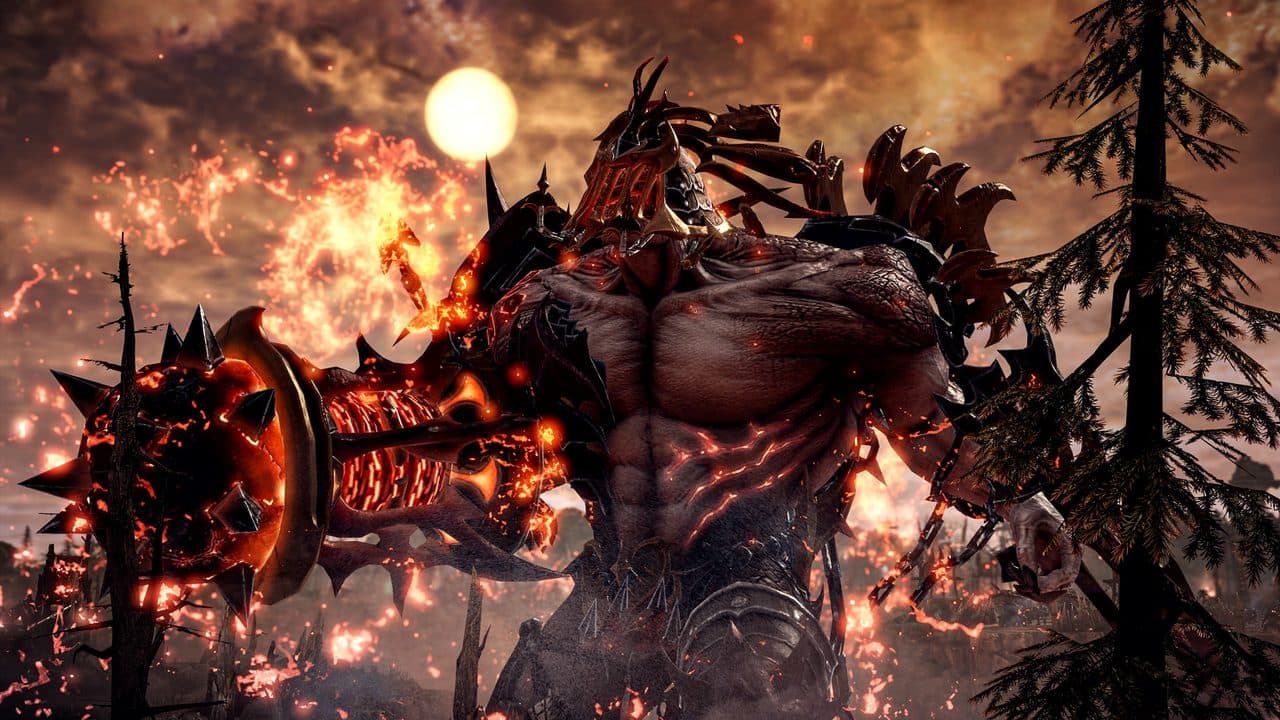
The wildcard, and a strong one. It takes the beloved Persona 5 combat loop, all press-turns, elemental weaknesses, and All-Out Attacks, and rebuilds it as a live-service gacha with its own cast and story. For anyone who loved the mainline game's style and its sharp, satisfying battle system, this is the closest thing to more of it, on a phone, indefinitely.
The combat rewards knowing enemy weaknesses and chaining turns, which gives it more mechanical bite than a lot of auto-battle-friendly peers. The trade-off is that it leans harder on its established aesthetic than on reinventing the wheel, and how much you love it will track closely with how much you loved where it came from.
- Best for: Persona fans and anyone who wants press-turn combat with real decisions.
- Free-to-play friendly: workable, with the usual live-service caveats.
- If you like it: it pairs well with the story-forward picks on this list.
4. Limbus Company
The connoisseur's choice. Project Moon's turn-based RPG is mechanically the deepest game here by a wide margin, built on a clash system where individual attacks trade blows, plus sin affinities, corrosion, and a wall of interlocking systems that reward players who actually want to learn a battle system rather than auto through it. It is dense, it is strange, and it is beloved for exactly those reasons.
It is also astonishingly cheap. Limbus is famous for a monetization model so light that dedicated free-to-play players can own nearly everything, which makes it the value king of the genre. The catch is the learning curve: this is the least beginner-friendly game on the list, and it expects you to meet it halfway.
- Best for: mechanics-first players who want depth and near-total free-to-play access.
- Free-to-play friendly: exceptionally. Arguably the most generous game in the genre.
- Start here: the beginners guide and the tier list.
5. Fate/Grand Order
The elder statesman. Nearly a decade on, Fate/Grand Order remains one of the most successful gacha games ever made, and it stays on this list for one reason above all others: its story is a genuine monolith, a sprawling, ambitious, endlessly expanded saga that its fans treat as essential reading. Combat is deliberately simple, a straightforward turn-based card system that exists mostly to move the plot along.
It shows its age in quality-of-life and its rates are old-school stingy compared to modern peers. But for players who value story volume and a legendary fanbase over polish, nothing else offers quite this much of either.
- Best for: story maximalists and long-haul players who want a saga, not a system.
- Free-to-play friendly: playable free, but its rates and economy are the harshest here.
- Reality check: the cost breakdown shows why its economy feels tight next to newer games.
How to pick
- Want the safest, most polished pick? Honkai: Star Rail.
- Here for a story? Reverse: 1999, with Fate/Grand Order for sheer volume.
- Want combat with real decisions? Persona 5: The Phantom X, or Limbus Company if you want to go deep.
- Playing free and want to own everything? Limbus Company, no contest.
Prefer real-time combat instead? See our best action gacha games of 2026. Weighing which to actually spend on? Start with the free-to-play rankings and the gacha hub for codes, banners, and tools.