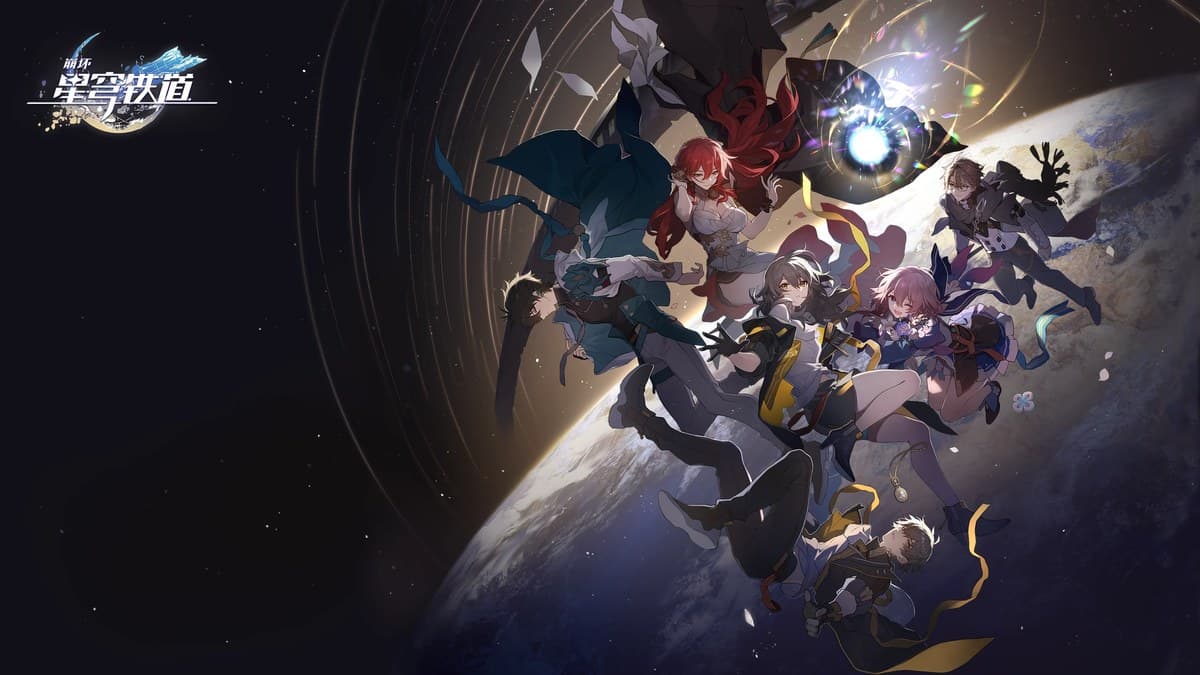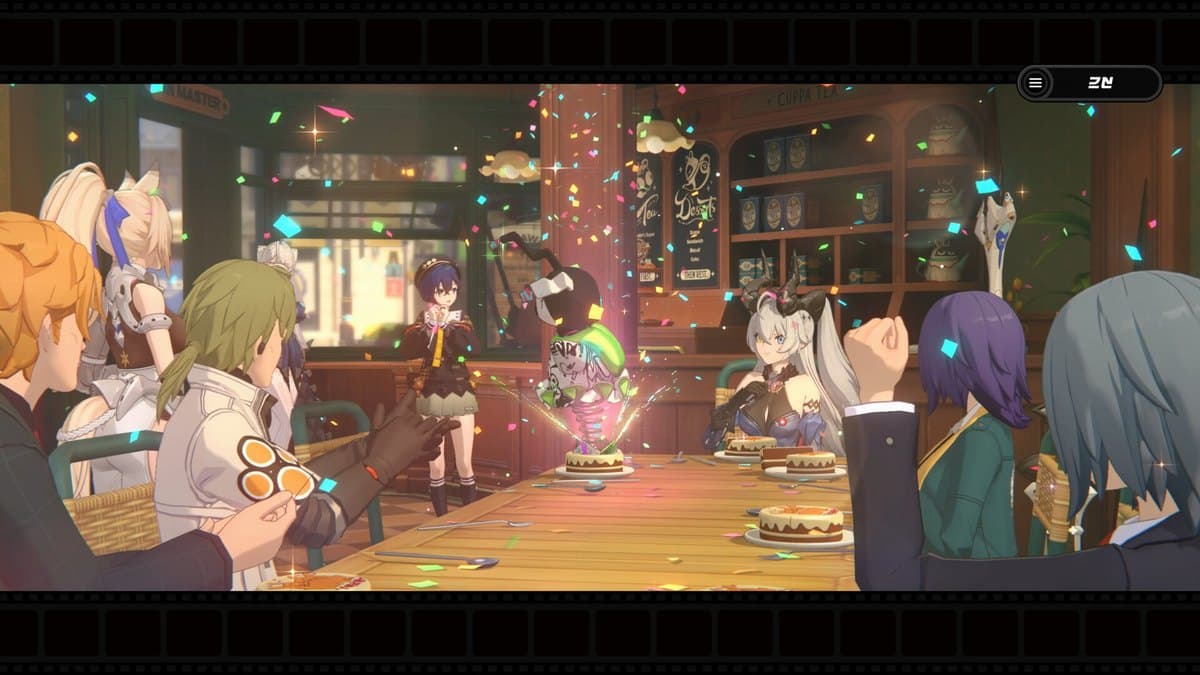
You have seen the post. Somebody lines up eight girls from eight different gacha games in a grid, crops them to just the faces, and captions it: "name one difference." The quote tweets pour in. Half the replies are cackling agreement. The other half are furiously circling an eye shape or a jaw angle to prove the games are not, in fact, all drawing the same person. It happens every few weeks, forever, and nobody ever wins.
"Same face syndrome" is one of the oldest arguments in anime-adjacent fandom, and gacha handed it a second life. The interesting part is not whether it is true. It is that it is partly true, partly unfair, and completely revealing about how these games get made.
The kernel of truth
Let us not be precious about it. There is a real thing being pointed at. A huge slice of the gacha market draws in a shared visual dialect: large expressive eyes, small soft noses, a specific range of youthful proportions, a palette of blush and highlight that repeats across studios. Squint at the thumbnails on a banner and yes, a lot of them rhyme.
This is not an accident or a failure. It is a genre convention doing exactly what genre conventions do. Western action heroes have a jaw and a stubble. Romance-novel covers have a windswept torso. Anime-style character art has a house face, and gacha, which sells characters more than almost anything else, leans into the most marketable version of it. When your entire business is getting players attached enough to pull, you converge on the look that has proven, over decades, to make the most people go "oh, her." Convergence is a market outcome, not a lack of imagination.
Why the crop is a cheat
Here is where the discourse gets lazy. The "same face" grid almost always works by throwing away the information that actually distinguishes characters.
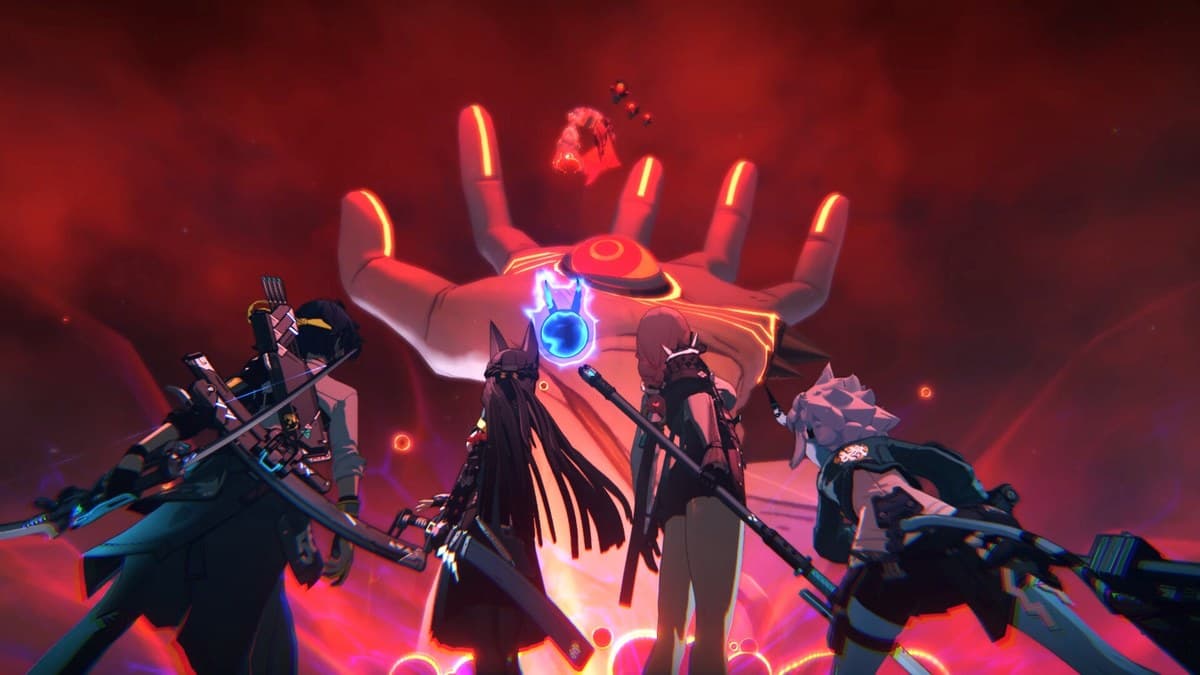
Crop to a bare face, front-on, neutral expression, and you have deleted the silhouette, the hair, the outfit, the color language, the accessories, the animation, the way they move, the voice, and the personality. Those are not garnish. In character design, the silhouette and the color story are doing most of the identifying work; the face is often the least differentiated element on purpose, because a clean, readable face reads across a phone screen at thumbnail size. You recognize your favorite from across a crowded splash art by their hair and their color, not by measuring their nose.
So the grid is a magic trick. It removes the ninety percent of the design that carries identity and then acts shocked that the remaining ten percent looks similar. Line those same characters up in full, in motion, in their actual outfits, and almost nobody actually confuses them. The grid proves that faces are similar. It does not prove that characters are, and those are not the same claim.
But the counter-argument has a point too
The defenders overreach in the other direction. "They look nothing alike, you just can't tell anime apart" is its own cop-out. Because the honest truth is that some studios really do run a narrower face than others, and some games really do ship rosters where the distinguishing features are mostly hair color and chest size rather than anything structural.
The genre is not one thing. There is a real spectrum from studios with a strong, specific house style you could pick out of a lineup to studios drawing the safest possible marketable face and letting the costume and cosmetic economy carry the variety. Pretending that spectrum does not exist is as dishonest as pretending everything is identical. The games that put real work into distinct faces, distinct proportions, distinct art direction genuinely stand out, and it is fair to notice which ones did not bother.
What the male roster exposed
The most useful stress test for the whole debate came when male units started genuinely selling. Suddenly a chunk of the audience that had been rolling its eyes at "same face" for the girls turned around and made the exact same complaint about the guys: same tall bishonen build, same sharp jaw, same handful of hairstyles.
That symmetry is the tell. Same face syndrome was never really about one gender being lazily drawn. It is about a market converging on its most reliable templates, whoever the template is aimed at. When husbandos got popular, they got their own house face just as fast, because the same commercial pressure produced the same convergence. It is a genre habit, not a slight against a particular audience.
Why it will never be settled
The argument is immortal because both sides are describing something real and talking past each other.
One camp is reacting to the genuine convergence of the marketable face, which exists. The other is reacting to the genuine distinctiveness of the whole character, which also exists. Neither is lying. They are pointing at different layers of the same design and insisting the other person is blind. That is a recipe for a debate that runs forever, because it can never resolve; there is no fact that would satisfy both readings at once.
It also survives because it is fun. The grid is engagement bait of the purest kind, calibrated to make one group feel clever and the other group feel defensive, which is exactly the emotional split that keeps a thread alive for a thousand replies. It is not really a critique. It is a sport.
The part actually worth caring about
Strip out the sport and there is a real question underneath, and it is the one worth keeping: does a character feel like a person, or like a product?
That has almost nothing to do with the nose. It has to do with whether the design, the writing, the voice, and the animation cohere into something that reads as a specific someone. Some gacha characters clear that bar spectacularly, house face or not, and go on to power an entire fan-art economy because people genuinely fell for them. Others are handsome, expensive, and forgettable a patch later. The face they were drawn with barely predicts which is which.
So the next time the grid comes around, you can skip the fight. The faces are similar; that is a genre convention and always will be. Whether the characters are similar is a real question, and the answer is: some studios put in the work and some coasted. If you want to see who actually swung for a distinct look rather than the safe one, that is a far more interesting conversation, and we had it in the best-looking gacha games of 2026. The grid can keep arguing about eyeballs without us.