Ask a publisher what the safest game they can make is, and the honest answer is a game somebody already made. A beloved title from fifteen years ago arrives with its audience pre-attached, its story pre-loved, and its risk mostly retired. The people who cherished it the first time will buy it again on reputation alone. That is why the remaster and the remake have become two of the most reliable products in the business, and why a growing slice of your library is games you technically already own.
The interesting question is not whether that is cynical. Sometimes it is. It is what you are actually paying for when you buy the redo, and whether it is a gift or a tax.
Remaster, remake, reimagining: the words matter
These get used interchangeably, and the difference is the whole conversation.
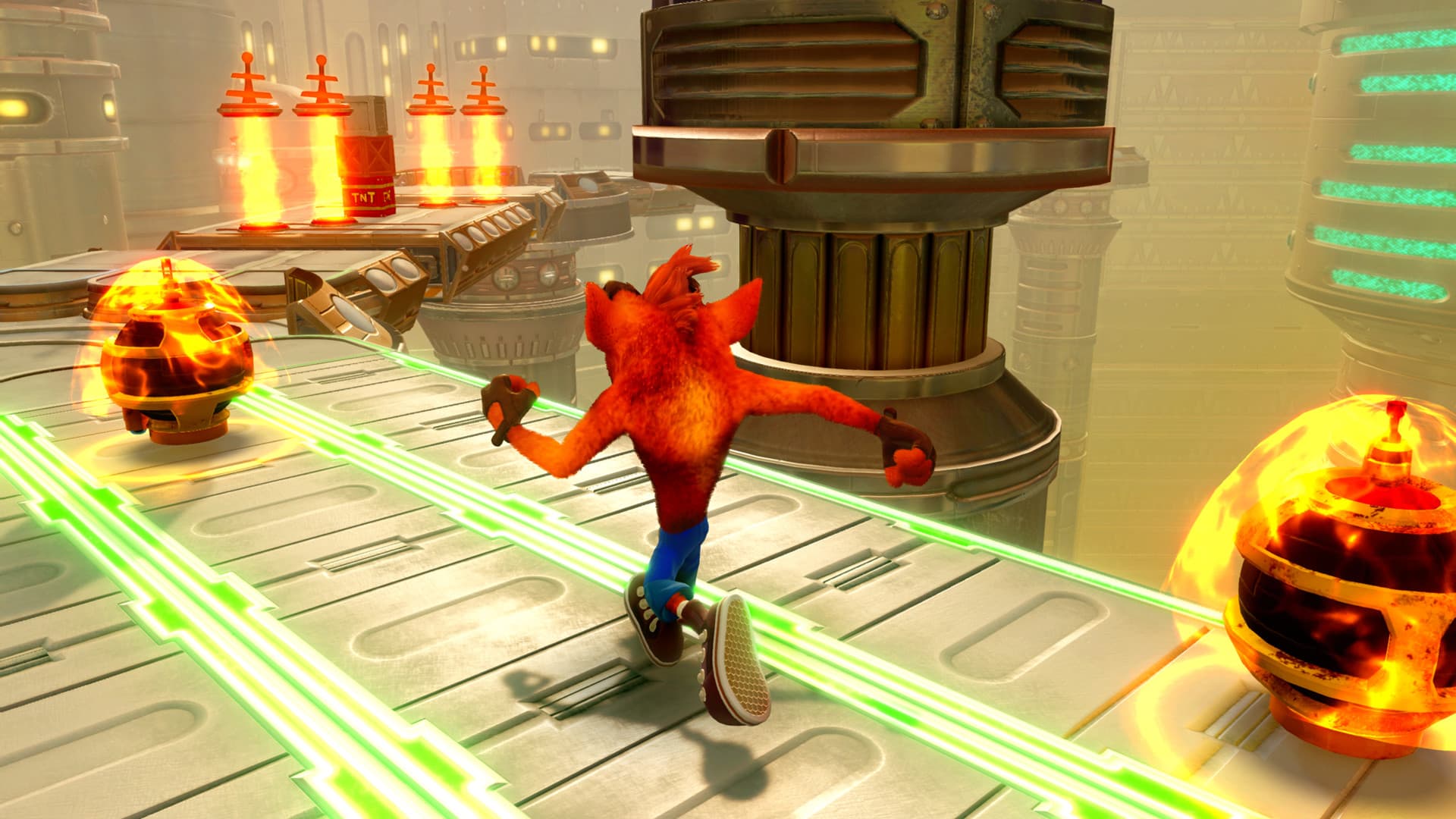
A remaster is the same game, cleaned up. Higher resolution, better textures, a steadier frame rate, maybe modern controls and quality-of-life fixes. The bones are untouched; you are playing the original with the smudges wiped off. It is the cheapest to make and the easiest to get right or wrong.
A remake rebuilds the game from the ground up. New engine, new assets, often reworked systems and pacing, while trying to preserve the soul of the thing. The Resident Evil 2 and 4 remakes are the poster children: recognizably the same games, structurally rethought, mechanically modern.
A reimagining goes further still, keeping the premise and the characters while changing the shape of the experience, the way Final Fantasy VII's modern retelling turned one disc of a decades-old RPG into its own sprawling thing.
The label tells you what you are buying. A remaster asks you to pay for polish. A remake asks you to pay for a genuinely new production of a story you love. Trouble starts when a remaster is priced like a remake, and a full-price texture pass gets sold on the strength of a name.
What you're really buying is a memory
Strip away the marketing and a remaster is not selling you gameplay. You have the gameplay; you finished it years ago. It is selling you access to a feeling, and to the version of you that felt it.
That is not nothing. A game that shaped your teenage years, rendered in the fidelity your memory always insisted it had, is a real and specific pleasure. Memory quietly upgrades old games; we remember them looking better than they did, and a good remaster closes the gap between the game that existed and the game we recall. When it lands, it is less a purchase than a reunion, the same warmth that keeps us replaying our comfort games long after we have wrung every surprise out of them.
There is also a social use. A remake is the version you can hand to a friend who missed the original, without asking them to squint past controls and visuals that have not aged well. "Play the classic" is a big ask in a way it was not in 2009. "Play the remake" is easy.
When nostalgia becomes a tax
The gift curdles into a tax at a predictable point: when the redo asks for full money and does the least possible work to earn it. An up-rezzed port with a new price tag and no new care is the industry betting that the name will carry a purchase the content cannot. Sometimes that bet is aimed squarely at the people least able to resist it, the ones whose fondness for the original is the entire sales pitch.
The tell is effort. A remaster that adds thoughtful modernizations, restores cut content, or fixes what genuinely aged badly is charging you for work. A remaster that changes a resolution number and calls it a day is charging you for your own affection. Both wear the same trailer. Only one deserves the money.
The preservation argument is real, and it cuts both ways
Here is the part that complicates the easy cynicism. A remaster is sometimes the only legal way to play a game at all. Storefronts delist titles, servers go dark, old hardware dies, and licensing lapses take games out of circulation entirely. When a classic has become effectively unplayable through official channels, a remaster is not a cash grab; it is a rescue, the difference between a game surviving and a game becoming a story you tell.
But preservation has a dark mirror. When a remake becomes the definitive version and the original is delisted, pulled, or quietly buried, you have not preserved the old game. You have replaced it. The new version, with its changed pacing and reworked scenes and modern sensibilities, becomes the only one a new player can find, and the actual artifact, the thing people fell in love with, slips out of reach. A remake that lives alongside the original is preservation. A remake that supplants it is erasure wearing preservation's coat.
Buy the reunion, refuse the tax
None of this makes remasters bad. The best of them are among the most valuable things the industry does: they keep great games alive, hand classics to new players, and let us revisit the past at the fidelity our memories always claimed. The problem was never the redo. It is the redo done lazily and priced proudly.
So the move is simple. When a remaster clearly did the work, restored something, modernized with care, or saved a game that was slipping out of existence, it is worth the money and then some. When it is a resolution bump hoping your childhood will cover the difference, it is a tax, and you are allowed to wait for a sale or skip it entirely. Nostalgia is a wonderful reason to play a game again. It is a terrible reason to stop asking what you are paying for.
The same trust question runs through how we treat live-service roadmaps and free versus paid expansions: in every case, the honest deal is the one that charges you for work, not for feelings. Pay for the reunion. Do not pay the tax.