The Short Answer
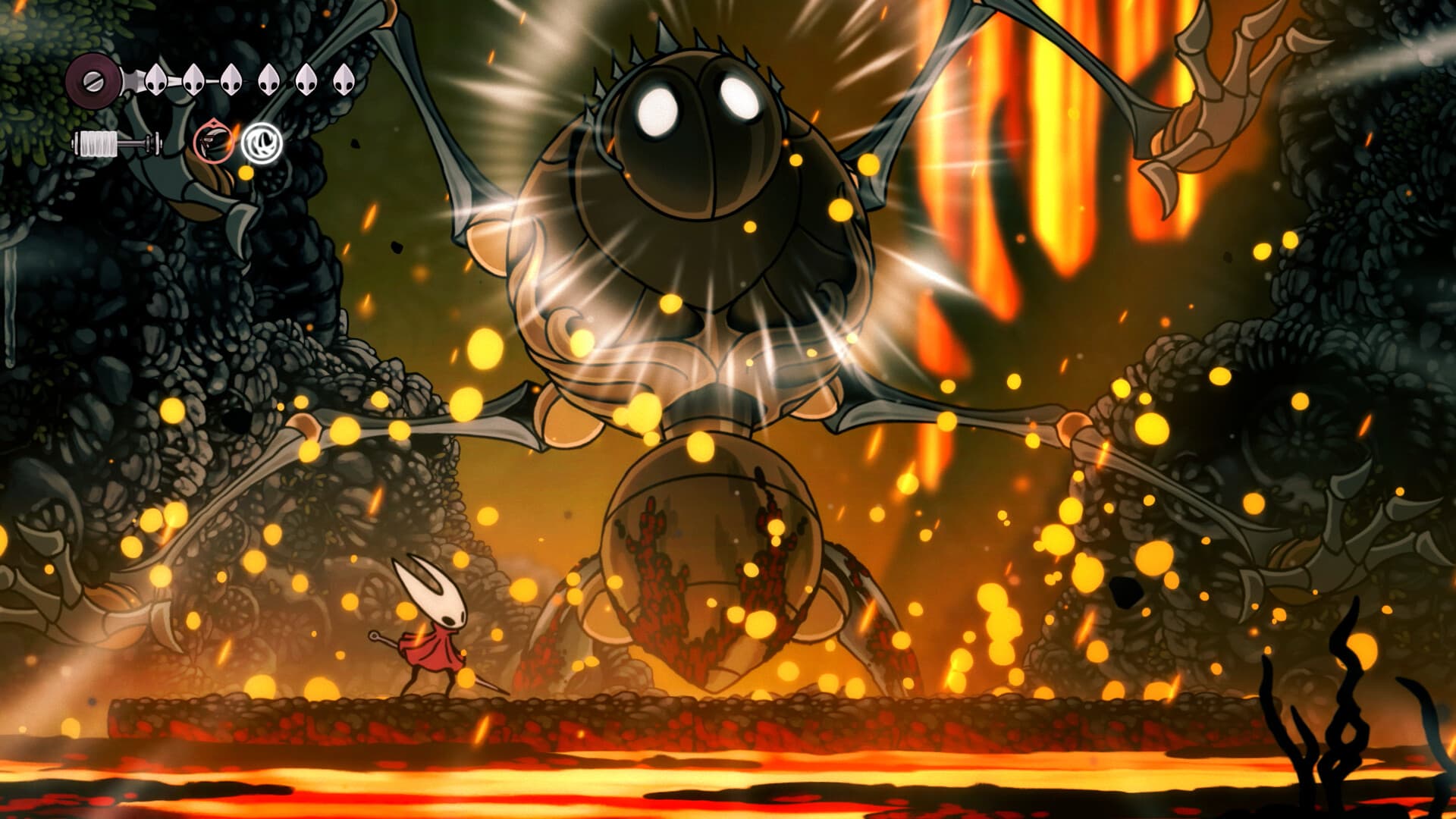
Somewhere in the last few years, a strange thing happened to the word "free." A studio announcing that its next major expansion costs nothing stopped being a footnote and became the headline. When Team Cherry revealed Sea of Sorrow, a full expansion for Hollow Knight: Silksong with new areas, bosses, and a nautical traversal system, the loudest detail was not the sea monsters. It was that the whole thing is free for everyone who owns the base game. That framing, "and it's free," now does real marketing work. This piece is about why that happened, what free content actually buys a studio, and the quiet ways the model still costs players and developers alike.
The Old Deal, and Why It Cracked
For most of the 2010s, the default post-launch model was straightforward: ship the game, then sell the rest. Season passes, expansion packs, cosmetic stores, and the occasional infamous horse armor. It made sense on a spreadsheet. It also trained players to be suspicious. Every "we have exciting plans for post-launch content" started to read as "we cut this from the base game to sell it back to you."
Two things cracked that deal. First, a handful of studios proved that free updates could be a growth engine, not a charity. Second, storefronts got crowded enough that goodwill became a genuine competitive advantage. When a hundred survival games launch a year, the one that keeps giving is the one people keep recommending.
The Games That Wrote the Playbook
The free-expansion model did not appear from nowhere. A few titles proved it works, and everyone else took notes.
| Game | The free-content pattern | What it earned |
|---|---|---|
| Terraria | More than a decade of free content updates, including multiple "final" updates | A permanent spot in every survival recommendation |
| Valheim | Free biome expansions across Early Access, from Hearth and Home to Ashlands and Deep North | Enormous goodwill through a long dev cycle |
| Palworld | Major free content drops adding islands, systems, and modes | Kept a viral hit relevant long past launch week |
| Stardew Valley | Repeated free updates years after release | The definitional example of a developer overdelivering |
| Silksong (Sea of Sorrow) | A full free expansion for all base-game owners | Turned a DLC reveal into a loyalty event |
The through-line is not generosity for its own sake. It is that free content compounds. Each drop is a reason for lapsed players to return, for streamers to make a new video, and for the algorithm to resurface the game. A paid expansion sells once. A free one markets forever.
What "Free" Actually Buys
"Free" is never actually free. It is a trade, and studios that use it well know exactly what they are trading for.
- Attention. A free expansion is a launch moment without a paywall between the news and the player. Everyone who owns the game is a potential returning user on day one.
- Trust. Overdelivering is the cheapest reputation a studio can buy. Players who feel respected defend you, buy your next game, and forgive your mistakes.
- Longevity. Free updates keep a game's concurrent-player graph from flatlining, which keeps it visible on storefronts and in word of mouth.
- Leverage for the next thing. The studio that gave away Sea of Sorrow can charge confidently for its next full game, because it has proven it does not nickel-and-dime.
That last point is the quiet engine of the whole model. Free content is often an investment in the price you can command later, not a rejection of paid content.
Where the Model Breaks
It would be a bad culture piece if it only cheered. The free-expansion renaissance has real strain points.
It hides the cost of development. Someone pays for that expansion, and if it is not the player, it is the studio's runway. Small teams that promise years of free content sometimes cannot afford to deliver it, and the goodwill curdles into "where is the update you promised."
It sets a trap for everyone else. Once players expect free expansions from Terraria and Valheim, a studio that charges a fair price for a genuinely large expansion can get branded as greedy for doing something completely reasonable. The free model can quietly devalue paid content across a whole genre.
It rewards the already-successful. Giving away content works best when you sold a lot of copies up front. A viral hit can afford years of free updates. A modest release cannot, which means the model is not the universal virtue it sometimes gets treated as.
"Free" can still be monetized sideways. Plenty of "free" content lives next to a cosmetics shop, a battle pass, or a sequel pipeline. Free is often the front door to a paid room.
The Honest Read
The free-DLC renaissance is mostly a good thing, and it is a good thing for legible reasons: it aligns a studio's incentives with keeping players happy over time instead of extracting money at launch. When Silksong makes Sea of Sorrow free, it is not being naive. It is spending short-term revenue to buy long-term trust, attention, and pricing power, and for a studio with the goodwill of Team Cherry, that is a smart trade.
The thing to watch as a player is not whether an expansion is free, but whether the studio can afford the promise it just made. Free content from a profitable, proven team is a gift. Free content promised by a struggling one is a debt that someone eventually has to pay.
For more on how post-launch content shapes the games we play, see our look at why every live-service game is bolting on a roguelike mode and our deep dive into the perpetual Early Access era. And if Sea of Sorrow pulled you back to Team Cherry's world, start with our Silksong beginner's guide and the Sea of Sorrow expansion breakdown.