The Short Answer
Look across live-service gaming in 2026 and you will see the same feature appearing everywhere at once: the bolt-on roguelike mode. Once Human is adding roguelike survival in its anniversary update. Survival games, extraction shooters, and gacha RPGs are all shipping their own versions. It looks like a coincidence, or a fad, but it is neither. A roguelike mode is the single most efficient piece of content a live-service game can build, because it recycles everything the game already has, its combat, its loot, its enemies, into an endlessly replayable format without shipping a new map, a new story, or new art. That efficiency is why the trend is everywhere. And the same quality that makes it so efficient also reveals what these games are quietly running short on: replayable content that does not cost a fortune to make. This is a HostedGG culture piece on why the roguelike became the default expansion move, and when it actually deserves your time.
What "Bolt-On Roguelike" Actually Means
A roguelike mode takes a game's existing systems and wraps them in a run-based structure: you start with little, you make a chain of build-defining choices under pressure, randomness decides your options, and death sends you back to the start a little stronger or a little wiser. Think short, high-variance sessions instead of a long persistent save.
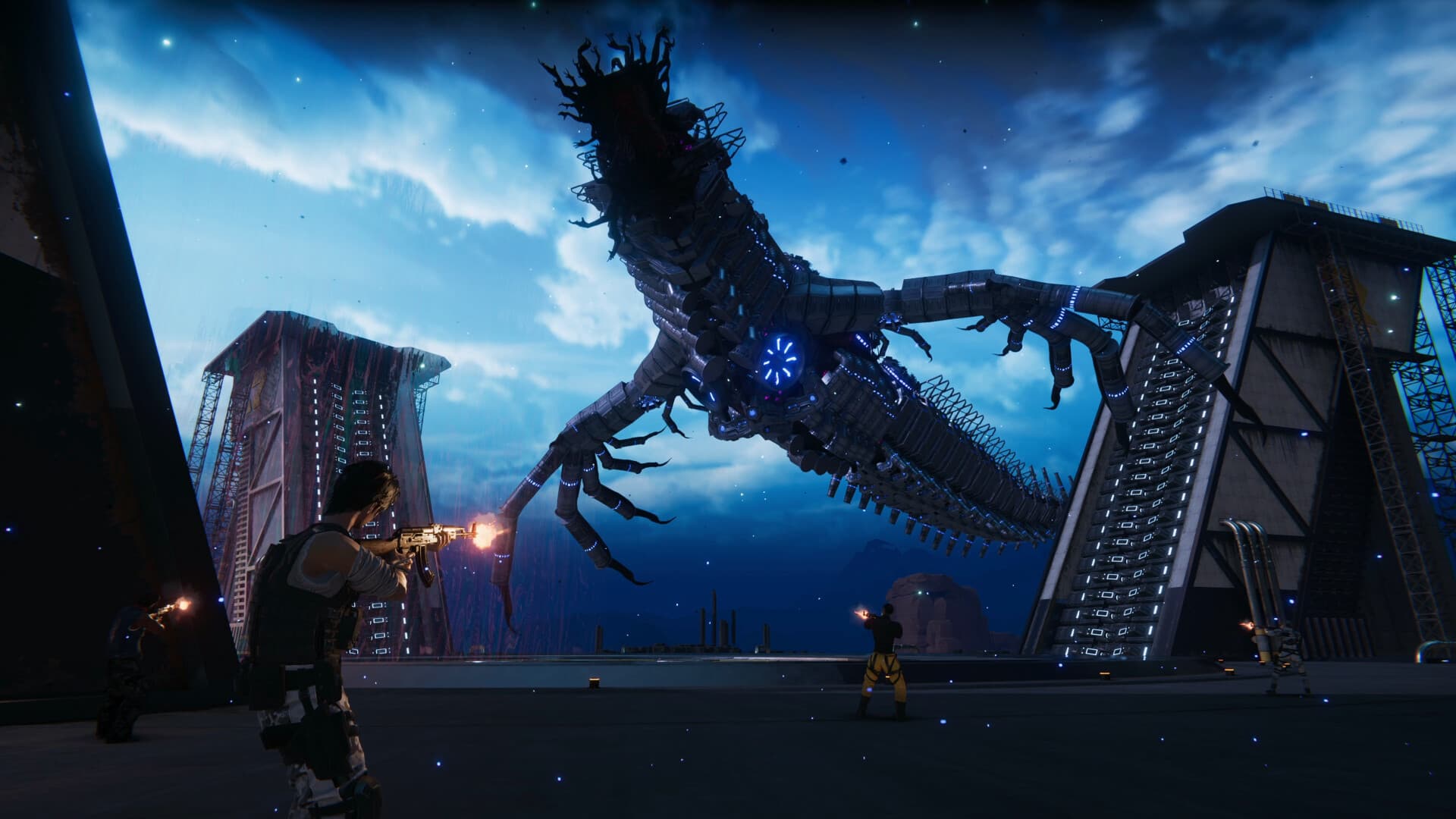
The key word is bolt-on. Nobody is rebuilding Once Human as a roguelike. They are adding a mode that reuses the game's guns, Deviants, crafting, and enemies inside a new container. The base game stays exactly as it was. The roguelike lives beside it as an alternate way to engage the same toys.
Why Studios Love It: The Content Math
To understand the trend, follow the production cost. A new story chapter or a new biome is brutally expensive: level design, art, writing, voice, QA, all for content most players consume once and never touch again. A live-service game needs a constant feed of that, and it is unsustainable to produce quality open-world content fast enough to keep everyone busy forever.
A roguelike mode breaks that math. Because it reuses existing assets and systems, the marginal cost of building it is a fraction of a new region, but the replayability is effectively infinite. Randomized runs, build variety, and escalating difficulty mean players generate their own novelty every session. One mode, built once, produces months of engagement. From a studio's spreadsheet, nothing else comes close to that ratio of content-created to hours-played.
That is the honest reason the trend is universal. It is not that every design team independently fell in love with roguelikes in the same year. It is that every live-service game faces the same content-treadmill problem, and the roguelike is the cheapest good answer anyone has found.
Why It Works For Players Too
If this were purely a cost-cutting move, players would revolt. They mostly have not, and the reason is that a good roguelike mode genuinely serves a need the base game cannot.
It rewards experimentation the main game punishes. In a persistent survival save or a competitive season, a weird, all-in build is a risk you usually cannot afford. In a roguelike run, that same build is the entire point. The mode becomes a sandbox where the game's most interesting systems, the ones you never fully explore because the stakes are too high, finally get room to breathe. Once Human's Deviant powers and crafting are a perfect example: fascinating tools that a roguelike run lets you actually go wild with.
It respects your time. A live-service game's core loop is often a commitment: seasons that run for weeks, worlds that demand maintenance. A roguelike run is 30 to 60 minutes with a clean start and a clean end. For the enormous number of players who love a game but cannot commit to its long haul every night, that is not a lesser mode, it is the mode that keeps them logging in.
It flattens the grind, briefly. Run-based modes usually hand everyone a level playing field at the start of each attempt, which is the same appeal that makes survival wipe days so beloved. We wrote about that psychology in why survival players delete everything on purpose, and the roguelike run is that fresh-start rush distilled into a single session.
What The Trend Quietly Reveals
Here is the uncomfortable read. The reason roguelike modes are spreading so fast is that live-service games are structurally starved for replayable content, and they always will be. The treadmill never stops. Players consume story and maps far faster than any studio can build them, and the gap between "content produced" and "content demanded" only widens as a game ages.
The roguelike mode is the industry's admission of that gap, and its most graceful workaround. That is not a criticism, exactly. It is just worth naming: when a game adds a roguelike mode, it is telling you it needs a way to generate engagement that does not depend on shipping expensive new content every month. Some studios use that honestly, to give players a genuinely fun sandbox. Others use it as filler to paper over a thin roadmap. The mode itself is neutral. What matters is what surrounds it.
When A Roguelike Mode Actually Deserves Your Time
Not every bolt-on roguelike is worth playing. Here is how to tell the good ones from the padding:
- Does it change how you build, or just where you fight? A great roguelike mode introduces run-specific upgrades, choices, and synergies that do not exist in the base game. A weak one drops you into the same combat with a timer and calls it new. The first is a real mode. The second is a reskin.
- Is the randomness meaningful? Good runs feel different because your options genuinely diverge. If every attempt collapses into the same optimal path, the roguelike label is marketing.
- Does it respect the base game instead of replacing its rewards? The best versions sit alongside the main game and feed it, giving you a reason to play without making the core loop pointless. The worst ones become the only efficient way to progress, quietly turning the game you signed up for into a chore.
Once Human's roguelike survival mode is a good early test case, because the underlying systems, Deviants, weapon crafting, the strange-world atmosphere, are exactly the kind of deep, expressive toys a run-based sandbox can make sing. Our anniversary update breakdown covers what it ships with, and the Once Human beginner's guide will get you fluent in the systems it is built on.
Why This Matters
The roguelike mode is the defining live-service design move of 2026, and it is here because it solves the industry's oldest problem, the endless hunger for replayable content, more cheaply than anything else. That makes it both a gift and a tell. The gift is a low-commitment, high-experimentation way to play games you love. The tell is that these games will always be hungrier for content than any studio can feed. Knowing the difference between a roguelike mode built to delight you and one built to fill a gap is how you spend your hours well. When everything is a roguelike, the question stops being "does this game have the mode" and becomes "did they build it like they meant it."