The Short Answer
There is a kind of player who does not wait for 1.0. They opt into the beta branch, they read the changelogs for fun, they lose saves to updates and shrug, and they would genuinely rather play a game while it is still being built than after it is finished. In 2026, that is not a fringe habit. It is a mainstream way of playing, because a huge share of the most-played survival, sandbox, and crafting games live in Early Access for years on purpose. Project Zomboid's Build 42 is still an opt-in unstable branch. Space Engineers 2 ships one vertical slice at a time with no full release in sight. Subnautica 2 launched into Early Access and patches monthly. This is a piece about that culture: why it exists, what it feels like from the inside, and how to survive on the unstable branch without setting your own expectations on fire.
How "Finished" Stopped Being the Goal
For most of gaming history, a release date was a wall. The game came out, and that was the game. Early Access knocked a hole in that wall, and the survival and sandbox genres poured through it, because those games benefit enormously from being built in public.
The reasons are practical. These are systems-driven games, and systems need thousands of players hammering on them to find the edge cases a QA team never will. Selling the game early funds a long development cycle. And a steady drip of updates keeps a game visible for years instead of spiking at launch and fading. The result is a genre where "Early Access" stopped meaning "unfinished demo" and started meaning "a game you play for years while it grows."
| Game | Time in Early Access | What that time bought |
|---|---|---|
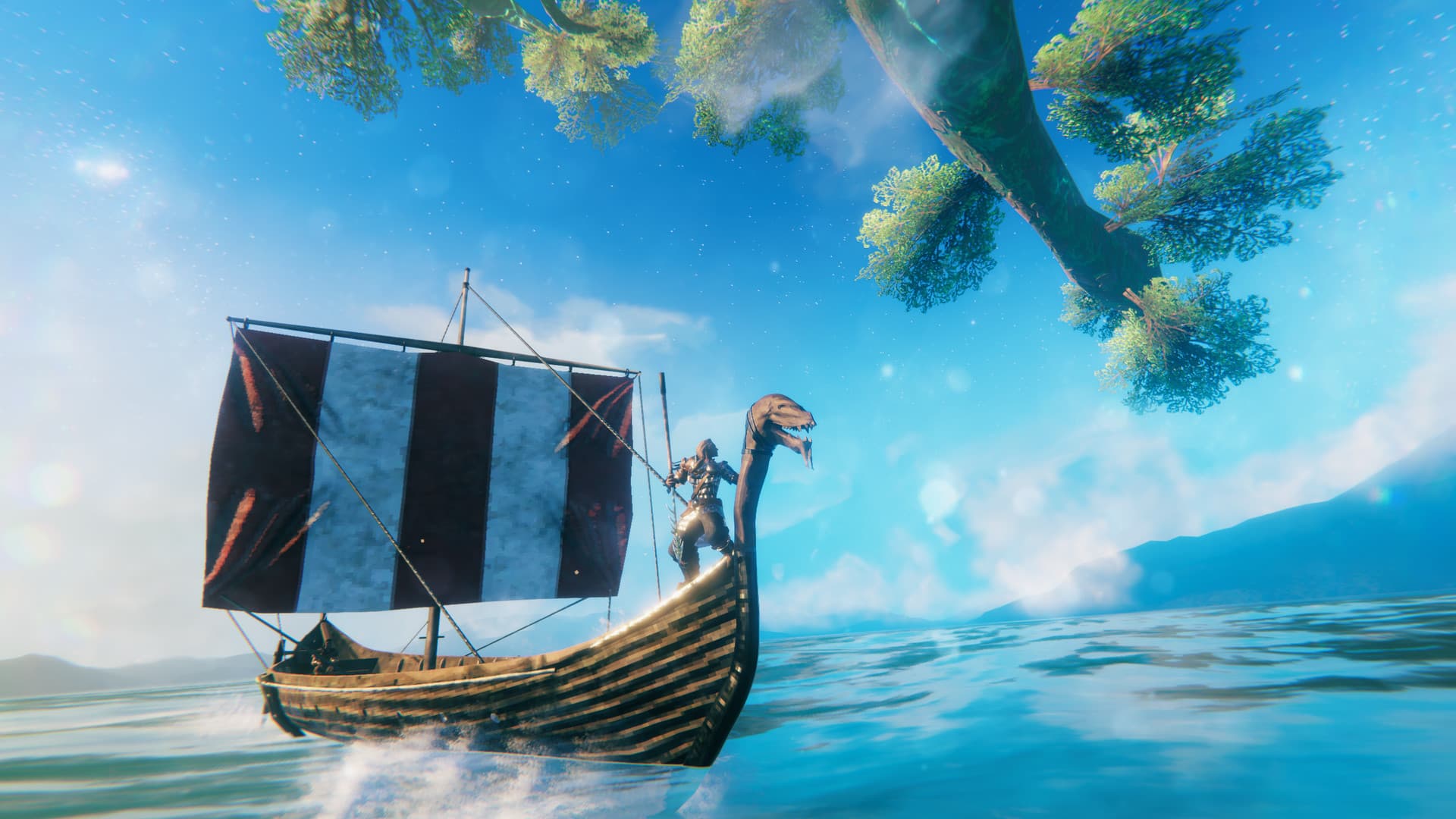
| Valheim | Roughly five years before its 1.0 | A slow, beloved biome-by-biome build |
| 7 Days to Die | Over a decade before 1.0 | The definitional "is it even still EA" case |
| Project Zomboid | Still iterating, with Build 42 on the unstable branch | Years of deepening simulation |
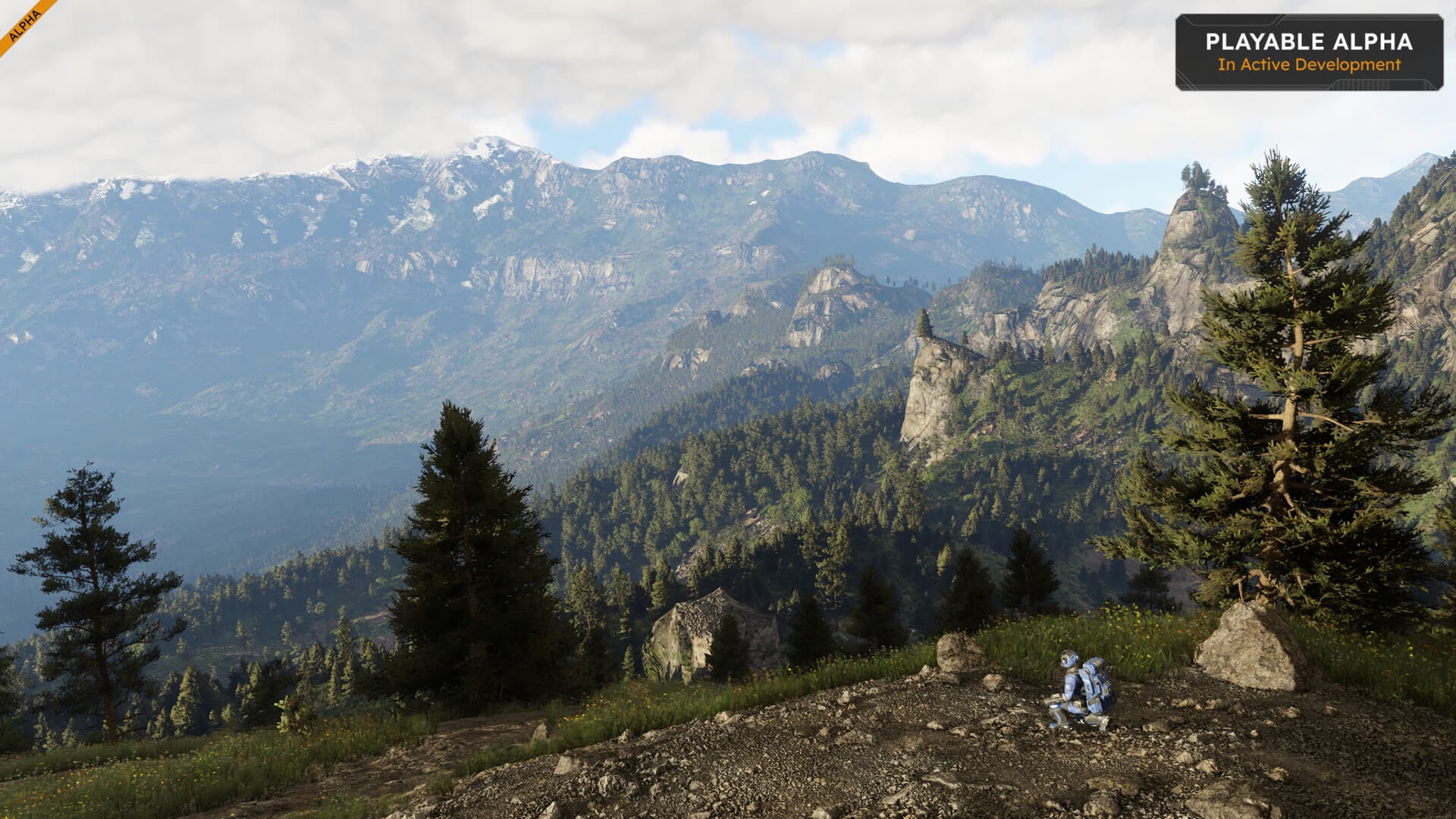
| Space Engineers 2 | Vertical slices, Early Access guided through 2027 | Foundations polished before scale |
| Subnautica 2 | Launched into EA in 2026, patching monthly | A finished loop built in public |
The Two Branches, and the People Who Live on Each
Most of these games have a split personality: a stable default branch and an unstable or experimental beta branch you opt into. The gap between them is where the culture lives.
The stable branch is for people who want to play the game. The unstable branch is for people who want to play the making of the game. On the unstable branch you get the newest towns, the newest systems, the newest half-finished mechanic, and in exchange you accept desyncs, crashes, wiped saves, and features that might get reworked out from under you next week. Neither choice is wrong. They are just different hobbies wearing the same store page.
The tell of an unstable-branch native is that they treat instability as content. A broken build is not a betrayal, it is a bug report and a story. A save wipe is not a loss, it is a fresh start with the new systems. This is a genuinely different relationship to a game than most people have, and it is worth naming, because studios increasingly design around it.
What It Does to Players
Living on the unstable branch reshapes how you play, mostly in ways the community has quietly turned into norms.
- You stop treating progress as permanent. When any update can wipe your world, the joy moves from the destination to the loop. Unstable-branch players fall in love with the first ten hours of a survival game and replay them endlessly.
- You read patch notes like a newspaper. The changelog becomes the content. A big unstable patch is an event.
- You become an unpaid QA department, and you like it. Reporting a bug well is a point of pride, and studios that engage with their unstable community earn ferocious loyalty.
- You develop update fatigue's opposite: update hunger. The risk is that finished games start to feel static and boring by comparison.
What It Does to Studios
The model is not free for developers either, and the healthiest studios are honest about its costs.
It buys feedback and funding, but it spends trust. Every "coming soon" that slips, every save wipe, every feature reworked twice, draws down goodwill. Studios that communicate cadence clearly (Keen's named vertical slices, The Indie Stone's explicit "this is a stress test" framing) hold that trust. Studios that go quiet lose it fast.
It blurs the finish line, sometimes forever. When a game sells millions in Early Access, the commercial pressure to ever call it "done" evaporates. That is how you get titles in Early Access for a decade. Players notice, and "is this ever coming out" becomes a permanent question in the community.
It changes what a review even means. Reviewing an Early Access game is reviewing a moving target, which is why our own coverage leans on dated snapshots and clear "as of" framing rather than final verdicts.
How to Live on the Unstable Branch Without Losing Your Mind
If you want to play games while they are still being built, a few rules keep it fun instead of frustrating:
- Back up saves before every unstable patch, and assume any save can break.
- Read the developer's framing. If they call a build a stress test, believe them and set expectations accordingly.
- Fall in love with the loop, not the world. On a branch that can wipe, attachment to a specific base is a setup for heartbreak.
- Report bugs like a citizen, not a critic. A good repro helps the game you love. A rage post does not.
- Keep a stable install for when you just want to play. The best unstable-branch players also know when to switch back to the default branch and touch grass.
The Honest Read
Perpetual Early Access is not a scam and it is not a golden age. It is a trade, and it is one that suits a specific kind of game and a specific kind of player extraordinarily well. Survival and sandbox games are gardens, not paintings. They are more fun to tend than to finish, and Early Access is just the honest name for playing a garden while it grows. The players on the unstable branch figured that out first. The rest of the industry is catching up.
For concrete examples, see where Project Zomboid's Build 42 multiplayer actually stands, how Space Engineers 2's vertical slices are progressing, and our Subnautica 2 Early Access review. For the flip side of long-tail content, read our take on the free DLC renaissance.