Open an old game box and there is a small ritual buried inside it: the fold of the plastic, the cartridge, and a stapled booklet you read on the car ride home before you had even touched the game. That booklet told you what every button did, named the enemies, sketched the world, and sometimes hid lore the game itself never mentioned. It was the first thing a game gave you and, for a certain generation, part of the pleasure of buying one. It is also completely gone, and its disappearance says more about how we play now than any hardware spec.
The manual did not vanish. It moved.
It is tempting to frame this as pure loss, the booklet dying and nothing replacing it. That is not what happened. The manual did not disappear; it decentralized. Everything the booklet used to hold, the controls, the systems, the bestiary, the hidden mechanics, still exists. It just no longer ships in the box, and it is no longer written by the people who made the game.
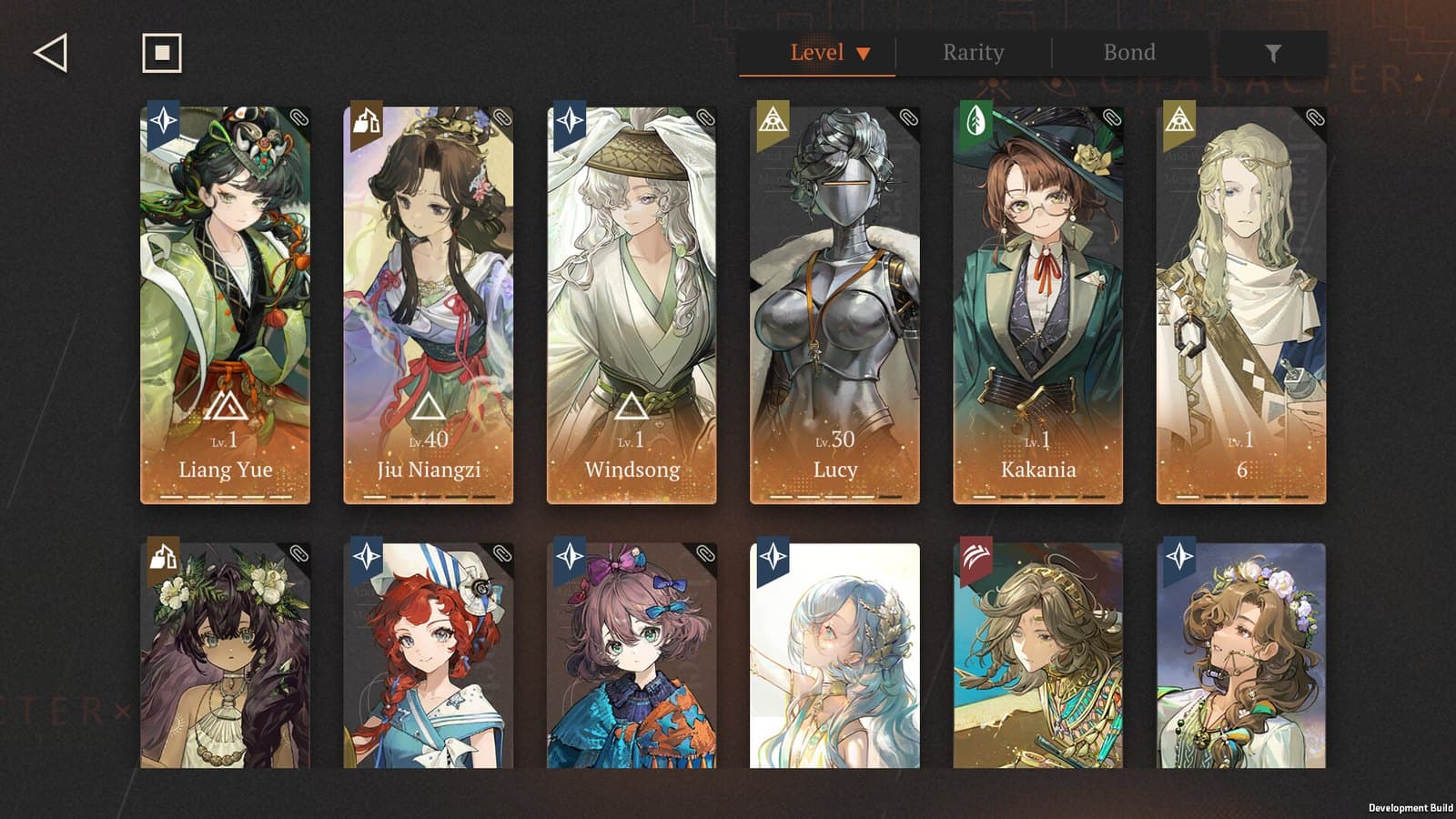
The controls migrated into the game itself, as tutorial prompts that appear the moment you need them. And everything past the basics, the deep stuff the booklet only ever hinted at, migrated outward, into wikis, video guides, spreadsheets, and community servers assembled by players who reverse-engineered the game and wrote it all down for free. The manual got bigger, more accurate, and more alive. It just stopped being paper, and stopped being official.
Why games ship underexplained on purpose
Here is the part that feels like a bug and is actually a decision: many modern games, especially the deep live-service ones, are deliberately underexplained. They will teach you which button attacks and then say almost nothing about the systems that actually decide whether you win, the damage formulas, the breakpoints, the interactions that make one team four times stronger than another.
Some of that is genuine design philosophy, the FromSoftware school, where discovery and rumor and figuring it out are the experience, and a full explanation would spoil the point. But a lot of it is quieter and more pragmatic. A game that explained all of its own math would have to stand behind that math, and would rob its own community of the thing that keeps it talking. An underexplained system generates theories, arguments, guides, and videos, an entire economy of engagement the developer never has to build or maintain. The gap in the manual is not always an oversight. Sometimes it is the work handed to the theorycrafters, and they take it gladly.
Learning a game is now a group activity
The deepest shift is not where the knowledge lives but who holds it. The old manual was a private object; you read it alone. Modern game knowledge is communal by default. You do not learn a complex game so much as plug into the collective that already has.
This is why the second monitor, the phone propped against the keyboard, the wiki tab that never closes, became normal rather than embarrassing. Playing a modern RPG with a guide open is not cheating; for a lot of games it is simply how they are meant to be consumed, because the developer built them assuming that external layer exists. The community writes the missing chapters in real time. A boss goes live and within hours there is a strategy; a new unit drops and the day-one tier list is already circulating before most players have pulled. The manual is now a living document, and it updates faster than any printed one ever could.
What we lost
It would be dishonest to pretend nothing went with the booklet. A few things genuinely did.
We lost the self-contained object, the sense that a game arrived complete, that everything you needed was in the box and you could learn it in a vacuum. Now a game can feel unfinished without its ecosystem, and a title that launches before its community forms can play like a manual with half the pages missing.
We lost a little discovery, too, or at least made it harder to protect. When the full solution to every puzzle and the optimal answer to every build is one search away, choosing not to look becomes a discipline, the same discipline it now takes to preserve a blind first playthrough. The manual used to tell you just enough. The internet tells you everything, whether you wanted it or not.
And we lost some art. Old manuals had illustration, worldbuilding, personality, jokes. They were made with care because they were part of the product. The tutorial pop-up is functional and forgettable, and no one feels nostalgic for a control prompt.
What we quietly gained
But the trade was not lopsided, and the nostalgia should not paper over what replaced it. What we gained is a manual that is deeper, more current, and more honest than any booklet could be. A printed manual was frozen at launch and written by marketing. A wiki is corrected by thousands of players, updated every patch, and unafraid to tell you when a system is bad or a "recommended" build is a trap. It holds knowledge no official document ever would, the datamined numbers, the community consensus, the hard-won answer to "is this actually worth it."
We also gained each other. The manual becoming communal turned learning a game into a reason to belong to something, a Discord, a subreddit, a wiki you edit. The booklet you read alone in the back seat has become a thing you build and maintain with strangers who love the same game. That is not a small consolation prize. For a lot of players, the community that grew up around the missing manual is the part of the hobby they would least want to give back.
So no, nobody reads the manual anymore. They write it, argue about it, correct it, and hand it to the next player who logs in confused. The booklet is gone. The knowledge it held has never been more alive, and it belongs to us now.