There is a version of every game that exists exactly once, for exactly one person, and then never again. It is the version you play before you know anything. Before you know the twist is coming, before you know that the quiet companion is the one to watch, before you know which door leads to the ending you will think about for a week. You get one run at that version. After it, you can replay the game a hundred times, and every one of those hundred will be a different, lesser magic, because you will know.
We do not talk about this loss much, maybe because it feels precious in a way that is hard to say out loud. But it is the thing underneath all the arguing about spoilers, all the "untagged, seriously?" replies, all the people who mute a game's name across every app the week it launches. They are not being dramatic. They are guarding the one copy of an experience that cannot be reissued.
Blindness used to be the default
Here is the strange part: going in blind was not always a choice. It was just the condition of playing games. You bought a box based on the art, you had no idea what was inside, and the surprises were surprises because there was no realistic way to have them spoiled. The friend who had finished it might tell you, and that was the whole threat surface.
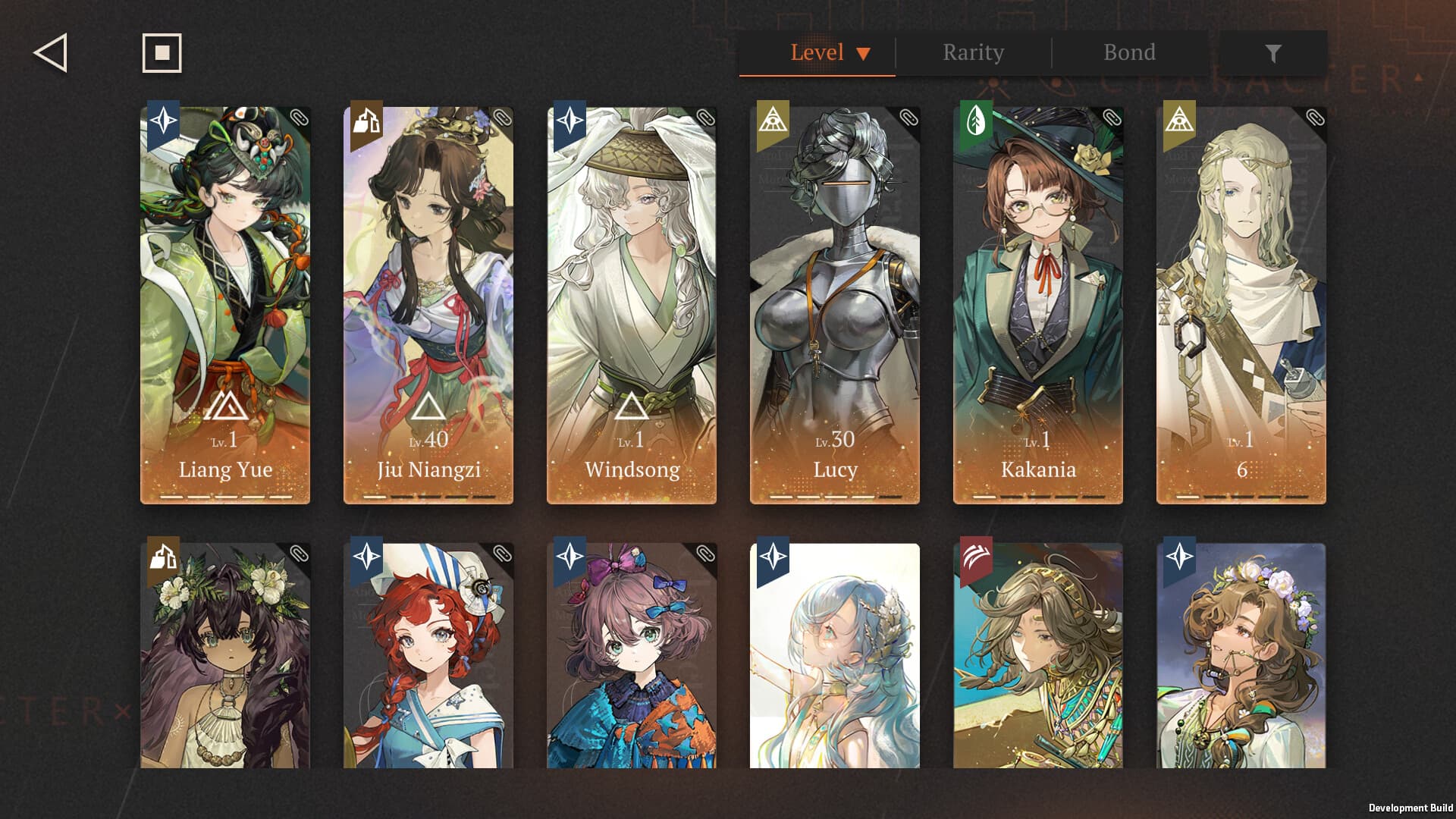
That world is gone. Now the default state of information is total. Before a big game is out, there are trailers dissected frame by frame, previews, leaks, and within hours of launch a complete map of every secret it contains. For live-service and gacha games it is more extreme still: the next several months of story, characters, and events are frequently datamined and circulating before the current update is a week old. The surprise is not something the game withholds from you. It is something you now have to actively defend.
So blindness flipped from a default into a discipline. Staying unspoiled is work. It means curating feeds, dodging thumbnails, scrolling past the community you otherwise love, and trusting that the payoff of not knowing is worth the effort of not looking. A lot of people decide it is. That decision is the whole of modern spoiler culture.
Why the twist is not really the point
The easy read is that we protect spoilers because we like being shocked, and a spoiled twist is a defused bomb. That is part of it, but it undersells what is actually lost.
The real thing a blind playthrough gives you is your own reactions in real time. The theory you formed at hour three that turned out wrong. The character you distrusted who earned it, or did not. The choice you agonized over because you genuinely did not know it mattered. Those are not facts about the game. They are a record of you meeting the game, and they only form when you do not already have the answer key. Read the wiki first and you do not just lose the shock, you lose the version of yourself that would have been surprised, guessed, doubted, and been moved. That person needed the not-knowing to exist.
This is why "it is not even a big twist" misses the point when someone is upset about a spoiler. They are not mourning the information. They are mourning the reaction they will now never have.
The uncomfortable other side
Spoiler culture also has a self-righteous streak, and it is worth being honest about it. Not everyone experiences stories the same way. Plenty of people enjoy a game more knowing what is coming, savoring the craft the way you reread a favorite book. Some players have anxiety that a known ending soothes. Some simply do not care, and get told they are playing wrong by people who care very much.
And the timeline is a genuine mess. How long does a spoiler stay a spoiler? A week after launch? A year? A decade? Is a twenty-year-old game fair game to discuss openly, or does someone somewhere always get to play it new? There is no clean answer, only a rough social contract that we renegotiate constantly and enforce unevenly. The person yelling about an untagged spoiler for a game from three patches ago and the person casually revealing a current story beat are both, in their way, playing the same game of "surely everyone knows this by now."
The honest position is that the first-time experience is worth protecting and that no one owns the right to police every conversation forever. Both are true, and the friction between them is permanent.
What the blind run is really worth
The reason this matters more now, not less, is that games have never been better at the thing blindness protects. Narrative-driven titles build toward reveals engineered to reframe everything you thought you understood. Even the comfort games we replay endlessly had a first time that hooked us, a first time we can feel ourselves reaching for when we boot them up again. The best story-driven games are practically arguments for going in cold, because their whole architecture assumes you do not know what is coming.
So here is the small, unfashionable case for the blind run. When a game you have been waiting for arrives, consider paying the cost of the discipline. Mute the name. Skip the "ending explained" video. Let yourself be wrong about the plot for a while. You are not protecting a plot point. You are protecting the one and only time you get to meet this thing without knowing how it ends, and the version of you that shows up for that meeting.
You can always look it up later. You can never un-look-it-up.