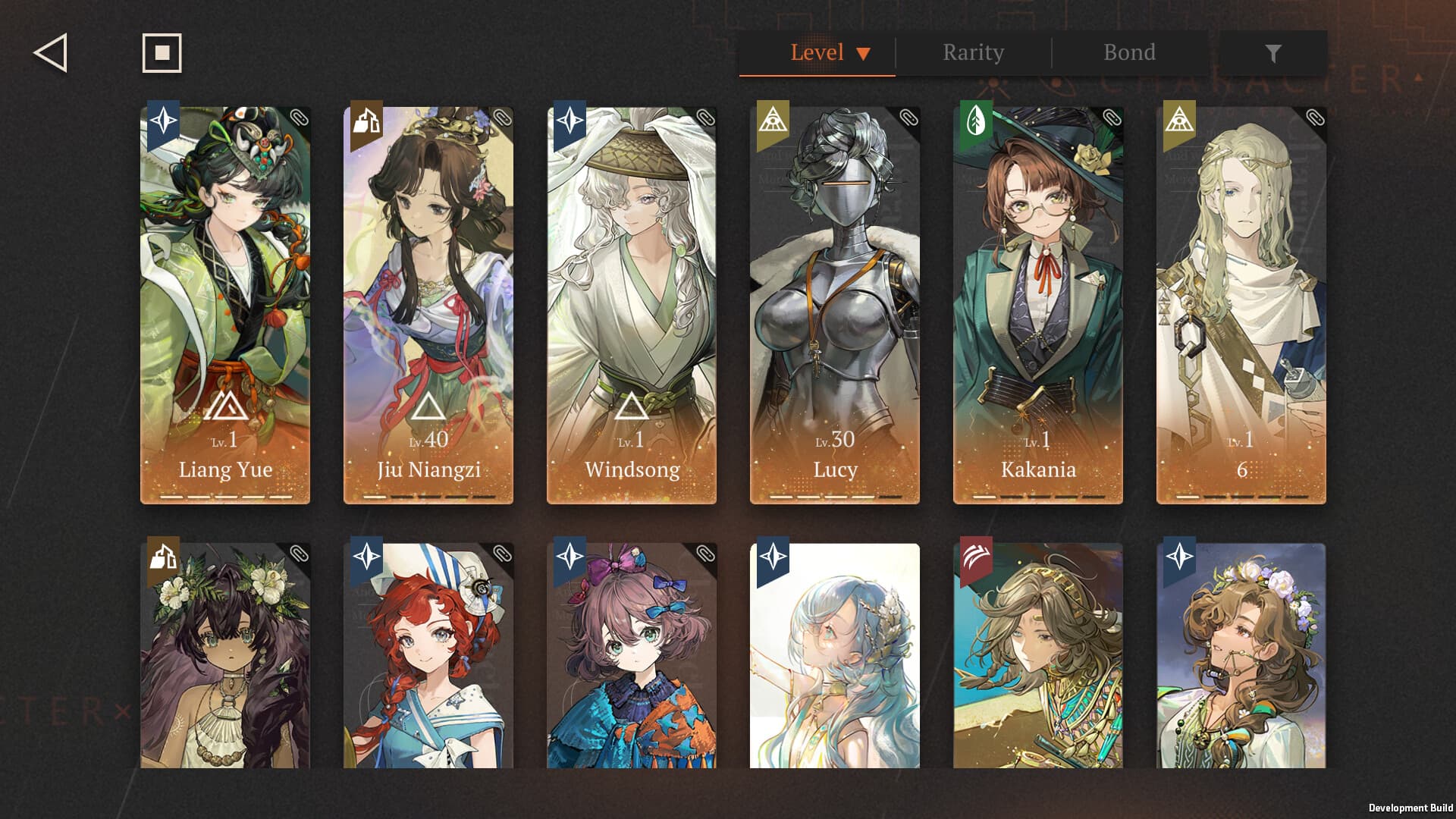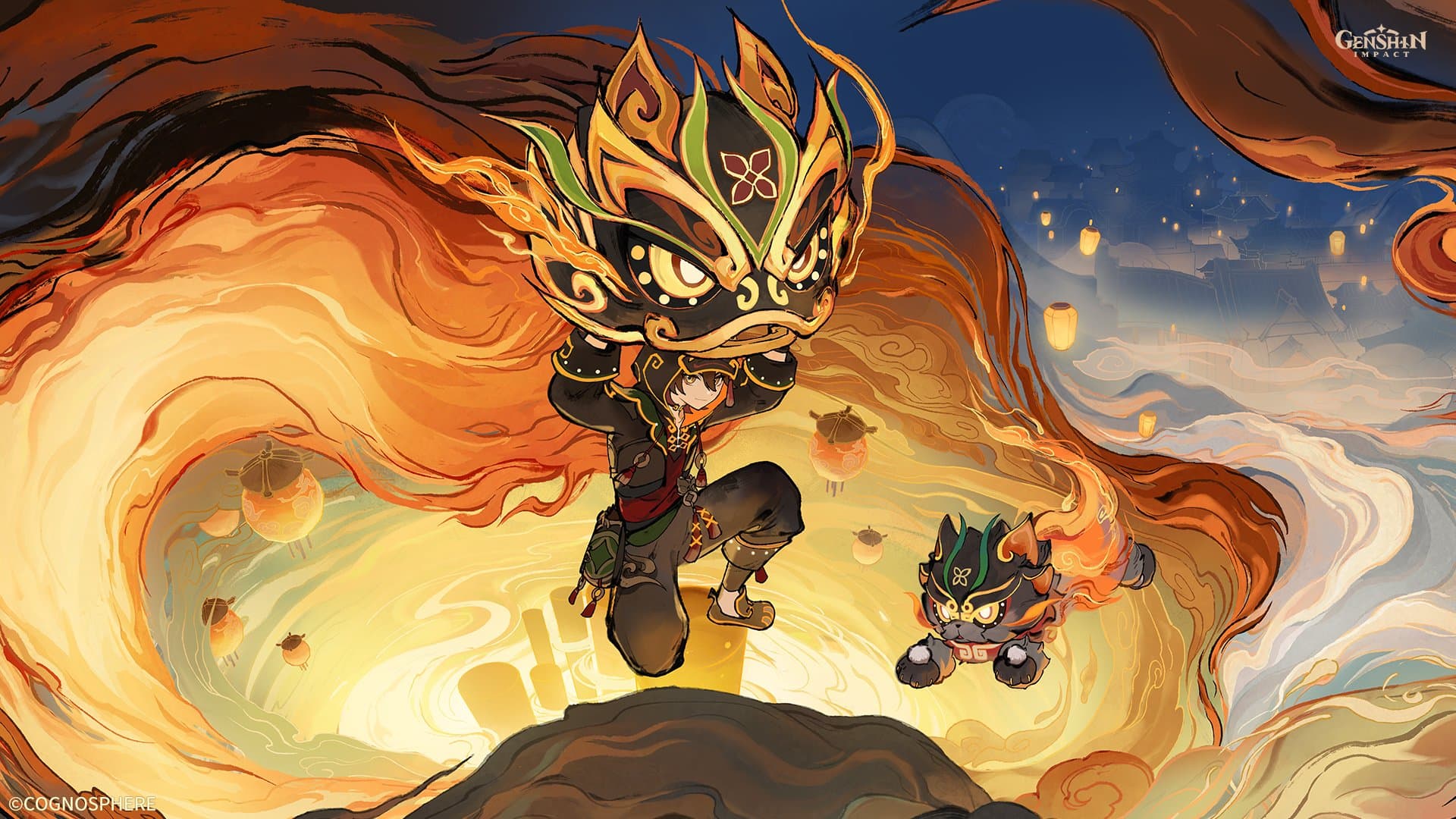
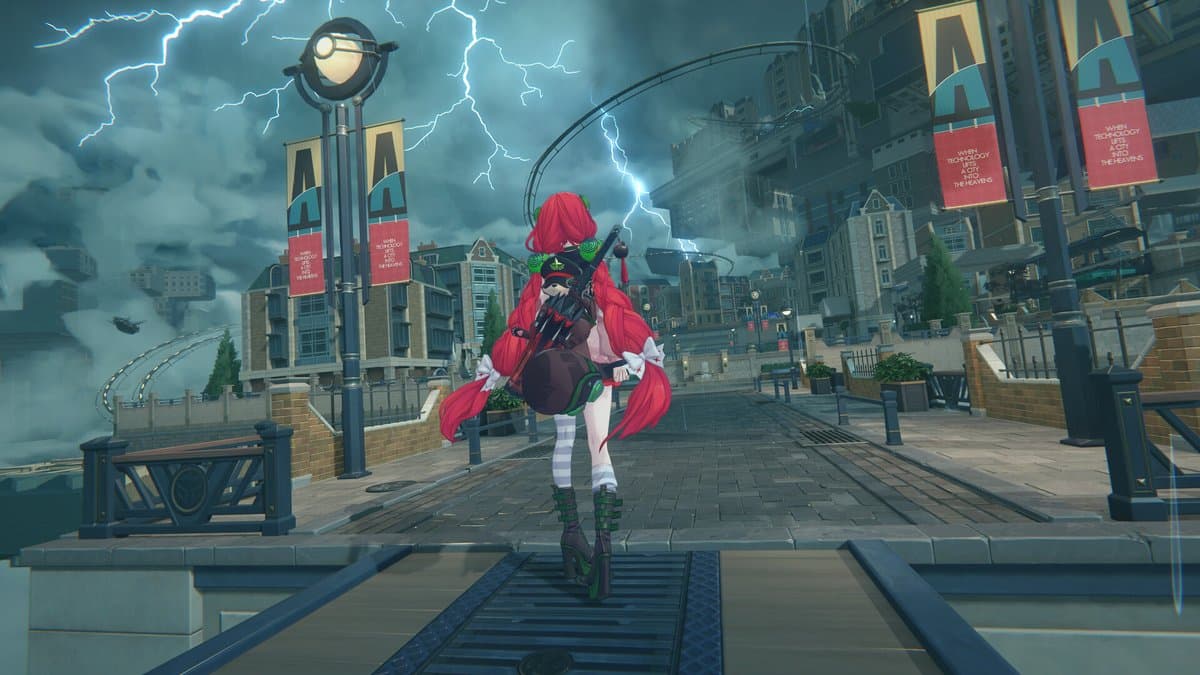
Ask a gacha tourist what they main and you get a shrug. They are three patches into one game, freshly returned to another for a rerun they care about, and eyeing a launch next month they have already pre-registered for. They do not have a home game. They have an itinerary.
This is one of the defining player behaviors of the genre in 2026, and it barely existed as a recognized identity a few years ago. The genre got wide enough, and good enough, that a player can treat individual games the way a festival-goer treats stages: show up for the act you want, catch the highlight, move on before the crowd thins.
What a gacha tourist actually does
The pattern is consistent enough to describe as a loop:
- Watch the reveals, not the games. The tourist follows the reveal cycle across a dozen titles at once, tracking hyped banners and story chapters rather than any single game's day-to-day.
- Parachute in for the moment. When a game hits something worth seeing, a beloved character rerun, a landmark story arc, a strong new limited unit, they install (or reinstall), sprint through it, and taste the best few weeks a game has to offer.
- Skip the grind. The tourist arrives when a game is at its most polished and generous and leaves the instant it asks for the daily-login commitment that defines the second-job feeling.
- Rotate. Next month, a different game, a different banner, the same loop.
They are not rerollers in the strict sense, though many are excellent at the day-one reroll and tier-list rush. The reroller optimizes a start they intend to keep. The tourist optimizes an experience they intend to leave.
Why it is booming now
Three things had to be true for tourism to become a mainstream way to play, and in 2026 all three are.
First, there are simply too many good games to main just one. The genre's quality floor rose. A player who tried to main every title worth playing would have no life left, so a rational response is to sample instead of settle. Our best free-to-play list alone is more games than any human can grind daily.
Second, early-game generosity got aggressive. Publishers front-load rewards to win the acquisition fight: launch banners, new-player pity discounts, fat welcome-back packages. That generosity is aimed at converting you into a long-term player, but it accidentally built the perfect tourist economy. The first two weeks of most gacha games are now the best two weeks, by design, and the tourist takes exactly those weeks.
Third, the drought is real and widely understood. Veterans know the endgame drought is where most games spend most of their lives, and that the exciting part is the patch, not the plateau. Once you internalize that the fun is concentrated in the launch of new content, hopping between launches is not fickle. It is efficient.
The publisher's love-hate relationship with tourists
Studios will tell you they are building for the devoted daily player, and their revenue mostly comes from whales and committed dolphins. Tourists spend little and retain worse. On a dashboard, they look like churn.
But tourists do things the metrics undervalue:
- They spike the numbers that matter for a launch. A flood of returning and new installs for a banner props up the concurrent-player and download charts that drive visibility, press, and app-store placement.
- They are the word-of-mouth engine. The tourist who parachutes in for a story arc and loves it tells everyone. Tourism is how a game's best content actually reaches the wider audience.
- Some of them convert. Parachute into enough games and eventually one of them clicks hard enough to become your new main. Every long-term player was, at some point, a tourist who decided to stay.
So publishers build the exact features that enable tourism, catch-up mechanics, generous returns, skippable grind, while quietly wishing tourists would settle down. The catch-up and late-start systems that make a game welcoming to returning players are, functionally, tourism infrastructure.
Is tourism the smart way to play?
For a lot of people, honestly, yes. Consider what the tourist gets:
- The polished, generous, story-rich launch window of many games instead of the grind-heavy middle of one.
- No daily-login guilt, no sunk-cost account slowly curdling into obligation.
- A wallet that stays shut, because you leave before the game finds its hooks in you.
And what they give up:
- Mastery. You never build the deep, endgame-capable account that makes the hardest content sing.
- Community. Guilds, long-running friendships, and the shared history of surviving a game's rough patches all require staying.
- The payoff of investment. Some of the genre's best moments, a two-year-old account finally clearing content it once found impossible, are closed to someone who never stays two years.
Tourism trades depth for breadth. Whether that is a good trade is a question about you, not the games. If the launch buzz is the part you love and the daily grind is the part you resent, tourism is not a lesser way to play. It might be the only sustainable one.
How to tour well
If you have quietly become a tourist, a little intentionality makes it better:
- Keep a shortlist, not a backlog. Track the two or three upcoming launches and reruns you actually care about instead of pre-registering for everything. The best upcoming gacha games list is a better itinerary than your notifications tab.
- Reroll the launches worth rerolling so your short stay starts strong, and let the rest go.
- Give yourself permission to stay. Tourism is a default, not a vow. If a game grabs you, unpack. The best trip is the one that ends with you moving in.
The genre spent a decade training players to commit to one game forever. In 2026, a huge and growing slice of players quietly decided not to, and they are having a perfectly good time doing it. If that is you, browse the itinerary in our best-of lists, pick your next stop, and enjoy the view. You do not owe any game a lease.