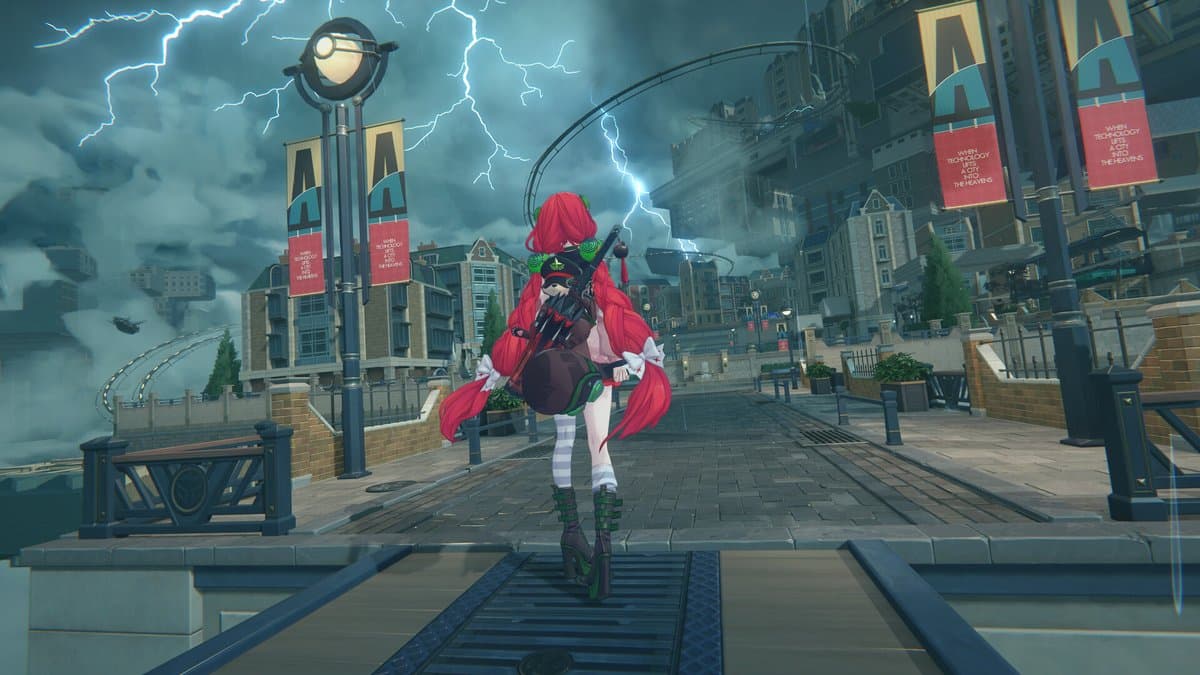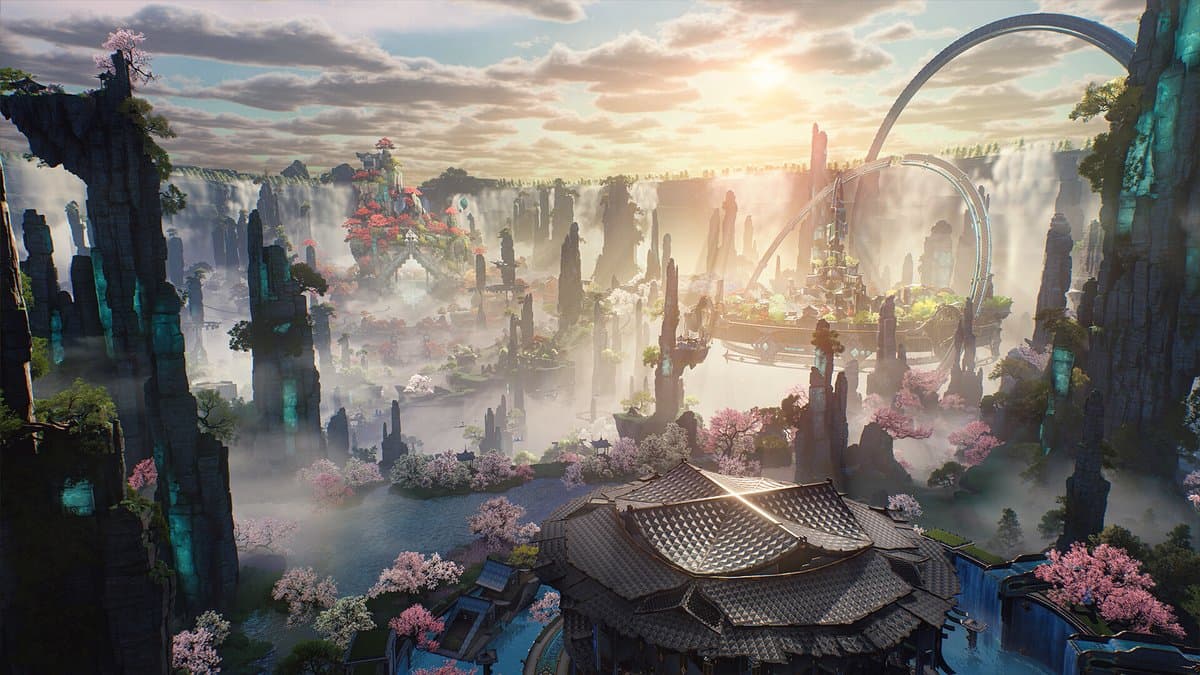
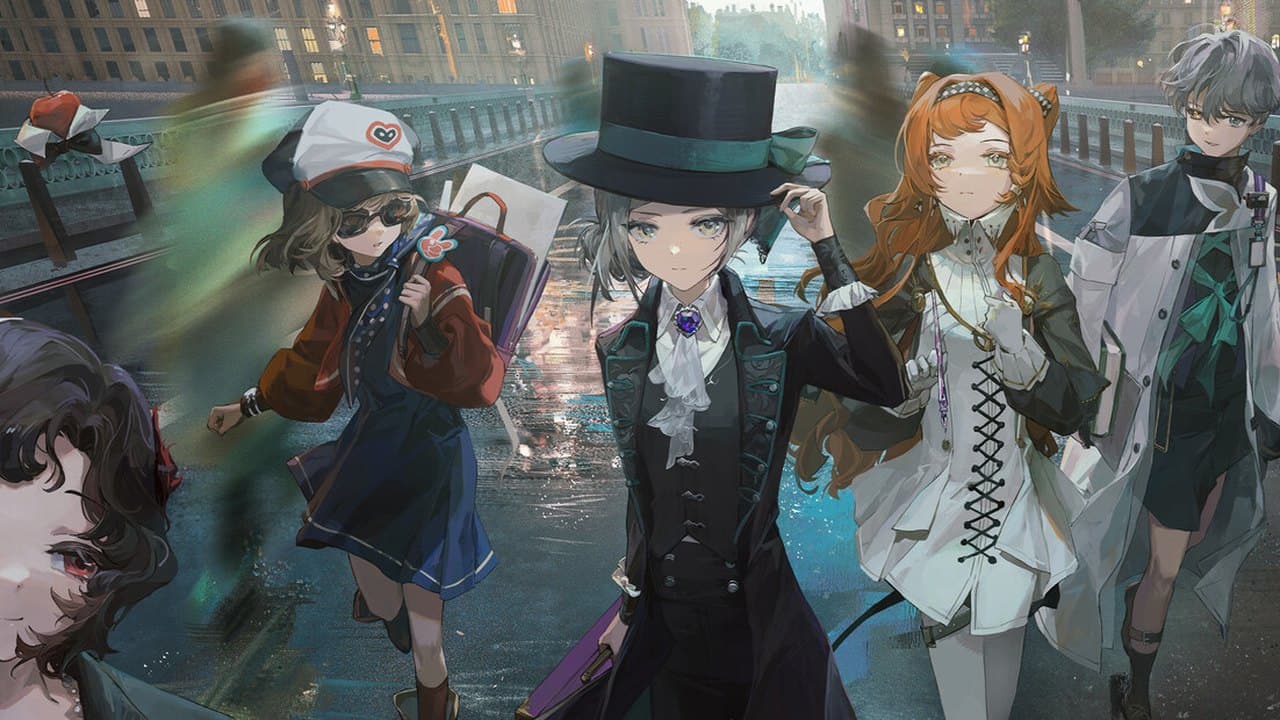
"I quit that game months ago." Then the anniversary trailer drops, and by the weekend the 40 GB download is back on the drive.
If you have played gacha for any length of time, you have lived this. The genre has a strange relationship with quitting: leaving is frictionless, but staying gone is one of the hardest things it asks of you. People announce their retirement, delete the app in a fit of burnout, feel great for three weeks, and then quietly reinstall the moment a beloved character returns. The uninstall almost never sticks.
That is not a personal failing. It is the design working exactly as intended.
Why the door swings both ways
Most games you quit by finishing them or getting bored. A gacha game never ends and is specifically built to leave a hook in you on the way out.
Your account survives. Uninstalling deletes 40 GB of textures, not your roster. Every pull, every built character, every year of daily logins is sitting safe on a server, waiting. You are never quitting the game so much as putting it down, and some part of you knows the account is still there. That sunk investment is a rope, not an anchor. It pulls you back.
The reason you left expires. People rarely quit because they stopped liking a game. They quit because of a specific thing: a bad patch, a content drought, a power-creep panic, a stretch where the daily login felt like a second job. Every one of those is temporary. The drought ends. The next patch is good. The chore you were sick of is not running while you are gone, so the memory of it fades faster than the memory of what you loved.
The comeback is engineered. Publishers know exactly who lapsed and when, and the whole calendar is built to reel them in: welcome-back login rewards, free pulls for returning players, anniversary generosity, and above all the rerun. The one character you missed, the banner you swore you would catch next time, comes back around, and the FOMO you thought you had escaped is right there waiting.
The cycle has a shape
Talk to enough players and the same arc shows up, almost word for word:
- The burnout. A stretch of feeling obligated rather than entertained. The dailies feel heavy. You start resenting the login.
- The dramatic exit. You uninstall, maybe post about it, feel a genuine wave of relief. The free time is real and it is nice.
- The quiet months. You do not miss the chores at all. This is the part that fools you into thinking it stuck.
- The pull. A trailer, a friend's message, a rerun of that character. The account is still there. The reason you left has expired. You are downloading before you have consciously decided to.
- The return. And here is the twist: you often come back happier. The break did what it was supposed to. You are playing for fun again instead of obligation.
That last point is why the cycle is so durable. Quitting a gacha game usually is not the end of a relationship. It is maintenance on one.
Quitting is not the same as breaking
This is the reframe worth internalizing: for most people, the uninstall is not a divorce, it is a vacation. The problem is not that you keep coming back. It is that the language is wrong. "I quit" implies a finality the genre almost never delivers, so every reinstall feels like a failure of willpower instead of what it usually is, a healthy break that ended when the game got good again.
The players who have made peace with this stop announcing quits entirely. They just tour: drop a game when it stops being fun, come back when it starts again, and feel no guilt about either direction. The account is a savings bond, not a marriage.
If you actually want a quit that sticks
Sometimes you do genuinely want out, for time, money, or headspace. A clean exit is possible, but it takes more than deleting the app:
- Name the real reason. "Burned out" fades and lures you back. "This costs me two hours and real money I would rather spend elsewhere" does not. Write down the durable reason, not the mood.
- Cut the feed, not just the app. You do not relapse from the game, you relapse from the trailer. Unfollow the socials, mute the subreddit, leave the Discord. The reinstall almost always starts with content you saw, not the game you missed.
- Spend down before you leave. Clear your currency, finish the story you cared about, pull on the banner you wanted. A quit with unfinished business is a quit with a reason to return built in.
- Expect the anniversary test. Put a note in your calendar for the game's anniversary and its next big rerun. Decide now how you will answer, because in the moment the FOMO will answer for you.
- Be honest that a break is fine. If you do not actually need a permanent quit, stop pretending you do. A guilt-free hiatus is healthier than a dramatic exit you will reverse in a month.
The uninstall that never sticks is not a bug in your discipline. It is the single most successful retention mechanic the genre ever built, and naming it is the first step to controlling it, whether you want to leave for good or just take the break you have clearly earned. Either way, the account will be there. It always is.