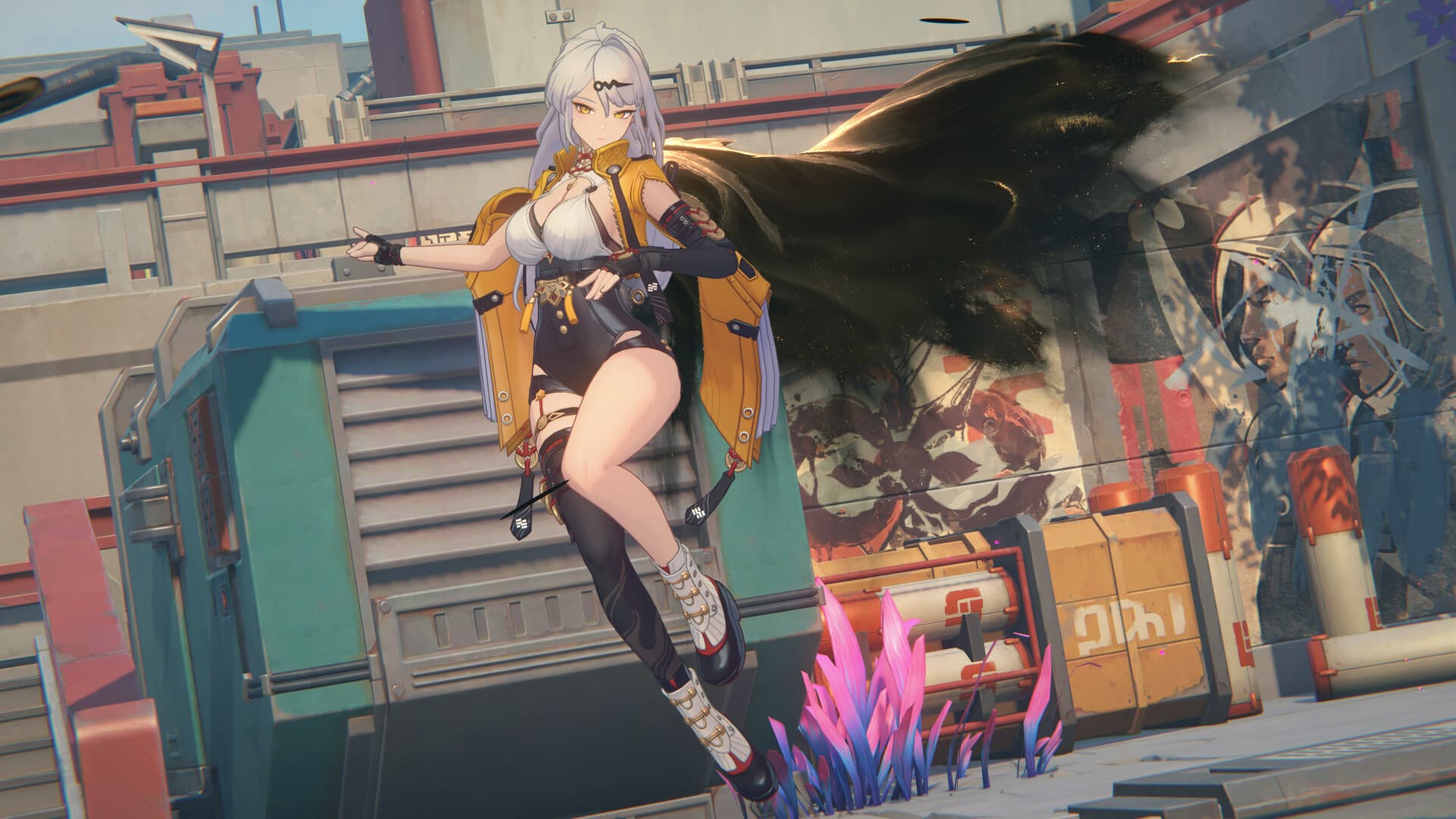
There is a screenshot that gets posted in every long-running gacha community, usually late at night: a login streak counter in the hundreds, sometimes over a thousand, captioned "I don't even remember why I still open this." The replies are always the same. Dozens of people who feel exactly the same way, all still logging in tomorrow.
This is the sunk-cost account. Not the game you love and not the game you quit, but the third thing: the one you maintain. You clear the dailies on autopilot, spend your stamina without looking at what you spent it on, and close the app with the faint sense that you have paid a bill rather than played a game. And you keep doing it, because quitting feels like admitting the last two years were wasted.
What you are actually protecting
The economist's version of sunk cost is simple: money and time already spent are gone, and should not factor into whether you continue. Humans are terrible at this, and gacha games are a near-perfect machine for exploiting the gap.
Look at what a mature account represents. Every one of these is a real cost you can feel:
- Time. Hundreds of hours of daily commissions, event grinds, and account building.
- Money, for those who spent it, sometimes a great deal of it, on a monthly pass, a battle pass, the occasional guaranteed banner.
- A roster you are attached to. The favorite character you pulled at low pity and built to perfection. Quitting does not just close an app; it abandons them.
- Progress that no longer transfers. All of it lives on one server, in one game, and evaporates the moment you stop.
None of that should logically bind you to a game you no longer enjoy. All of it does, because the account is not a save file. It is an archive of two years of your life, and deleting it feels like deleting the time.
The mechanics that keep the door propped open
Gacha design does not leave your guilt to chance. It scaffolds it. The daily login exists precisely so that missing a day costs something, a phenomenon we have written about in the daily login as a second job and the guilt that comes with it. The pattern is deliberate:
- Dailies punish absence. Skip a day and you feel the small loss of resources you "should" have collected, so you log in to avoid the feeling, not to play.
- The next banner is always visible. The waiting room for the next patch keeps a reason to stay just over the horizon, forever a few weeks out.
- Savings become a hostage. You have banked enough for the character everyone says is coming. Quitting means those savings die with the account, so you stay to spend them, then stay to save again.
Each hook is small. Stacked, they turn a game you have quietly fallen out of love with into a standing appointment you cannot bring yourself to cancel.
The tell: are you building toward anything?
The hard part is that not every lull is a goodbye. Every long-term player hits stretches where the content is thin and logging in feels flat; the genre even has a name for it, the endgame drought. A drought passes. A dead account does not.
Here is the honest test. Ask what you are currently building toward, and whether you feel anything about the answer.
- If there is a character, a team, or a piece of content you are genuinely excited to reach, you are in a lull. Ride it out.
- If the only answer is "I don't want to lose my progress," you are maintaining a sunk-cost account, and the progress is the only thing left.
A game that is still a game gives you a future you want. A sunk-cost account only gives you a past you are afraid to lose.
Permission to stop (or to actually play)
The healthiest thing any veteran can hear is that quitting a gacha is not a failure and does not retroactively waste the good years. You had them. The hundreds of hours were fun when they were fun. That the fun ended does not reach back and unmake it, any more than finishing a great single-player game and shelving it means you wasted the playthrough.
If you recognize yourself in the login-streak screenshot, three moves tend to help:
- Take a deliberate break, not a dramatic deletion. Stop the dailies for two weeks. If you miss the game, you have your answer. If you feel relief, you have a different one.
- Spend the hostage savings on something you actually want, then let the account rest. A banked pity that dies unspent is the only version of "wasted" that is truly in your control to avoid.
- If you stay, stay as a player, not a bill-payer. Drop the modes you hate. Skip the dailies that bore you. A game you play twice a week and enjoy beats a game you clock into every day and resent.
The community around a game is often the last real reason to stay, and that is a genuinely good one. Playing to keep up with friends, a guild, or a Discord you love is not sunk cost; that is the game doing the one thing it was always supposed to do. If that is gone too, the app has already told you what it is.
The part nobody says out loud
Most sunk-cost accounts do not end with a decision. They end with a new game. A player who could not bring themselves to quit finally does, without ceremony, the week something else grabs them, and only notices weeks later that the old login streak has broken. That is not weakness. That is the sunk cost finally losing to a real one: your attention, which was always the scarce resource, going somewhere it is wanted again.
If you are hovering over that door, browse what else is out there. The best free-to-play gacha games of 2026 and the best low-commitment picks exist for exactly this moment, when the honest thing is not to grind harder but to remember that a game is supposed to be the good part of your day, not the ledger you are afraid to close.