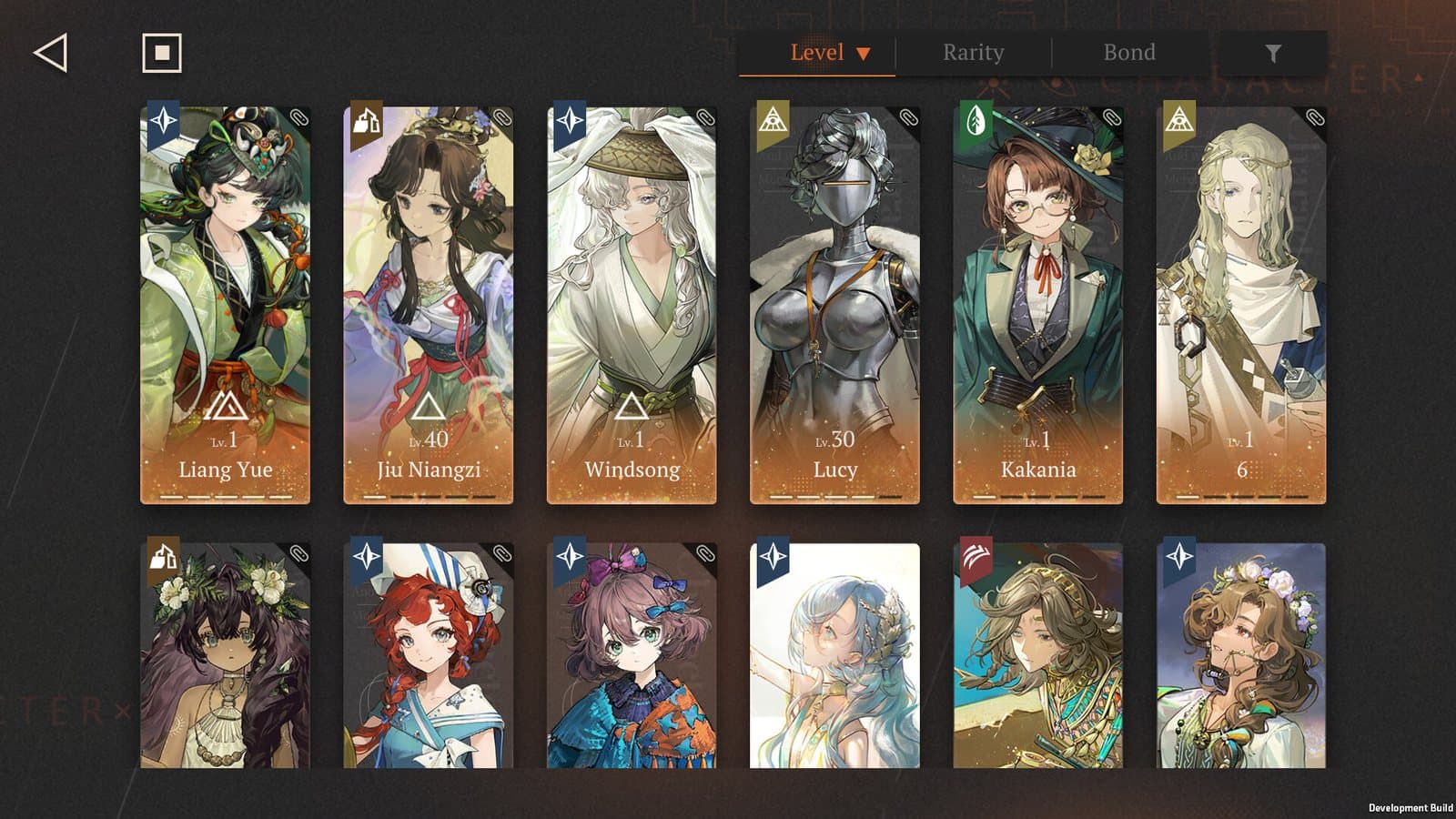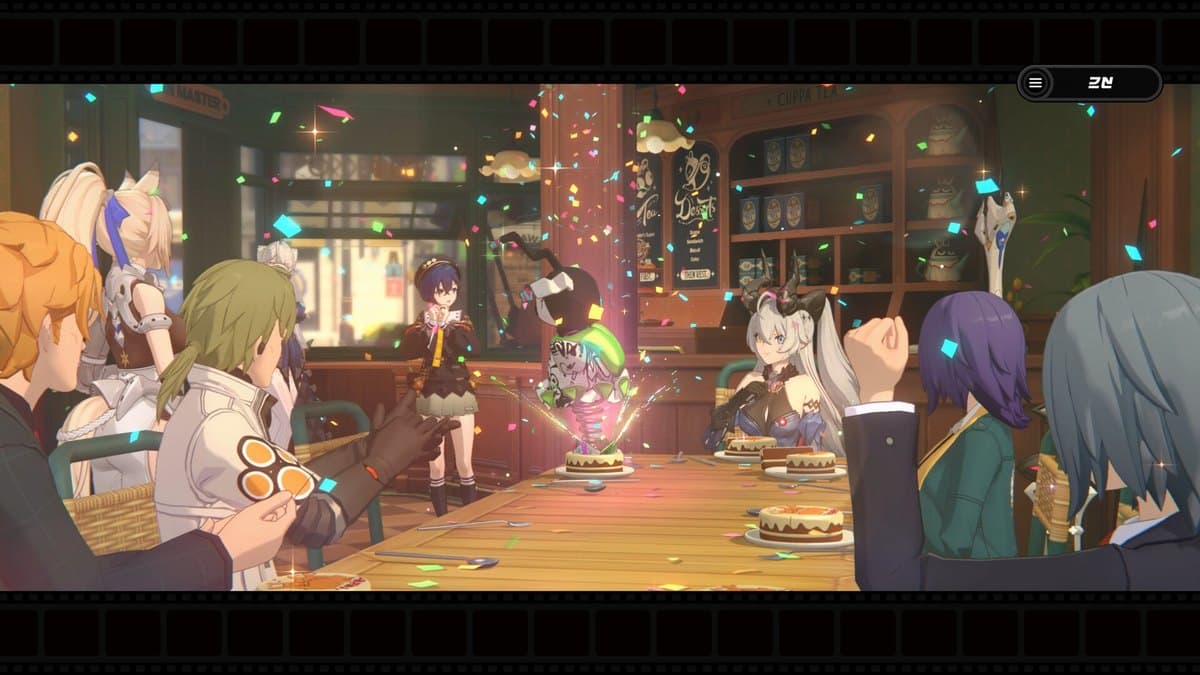
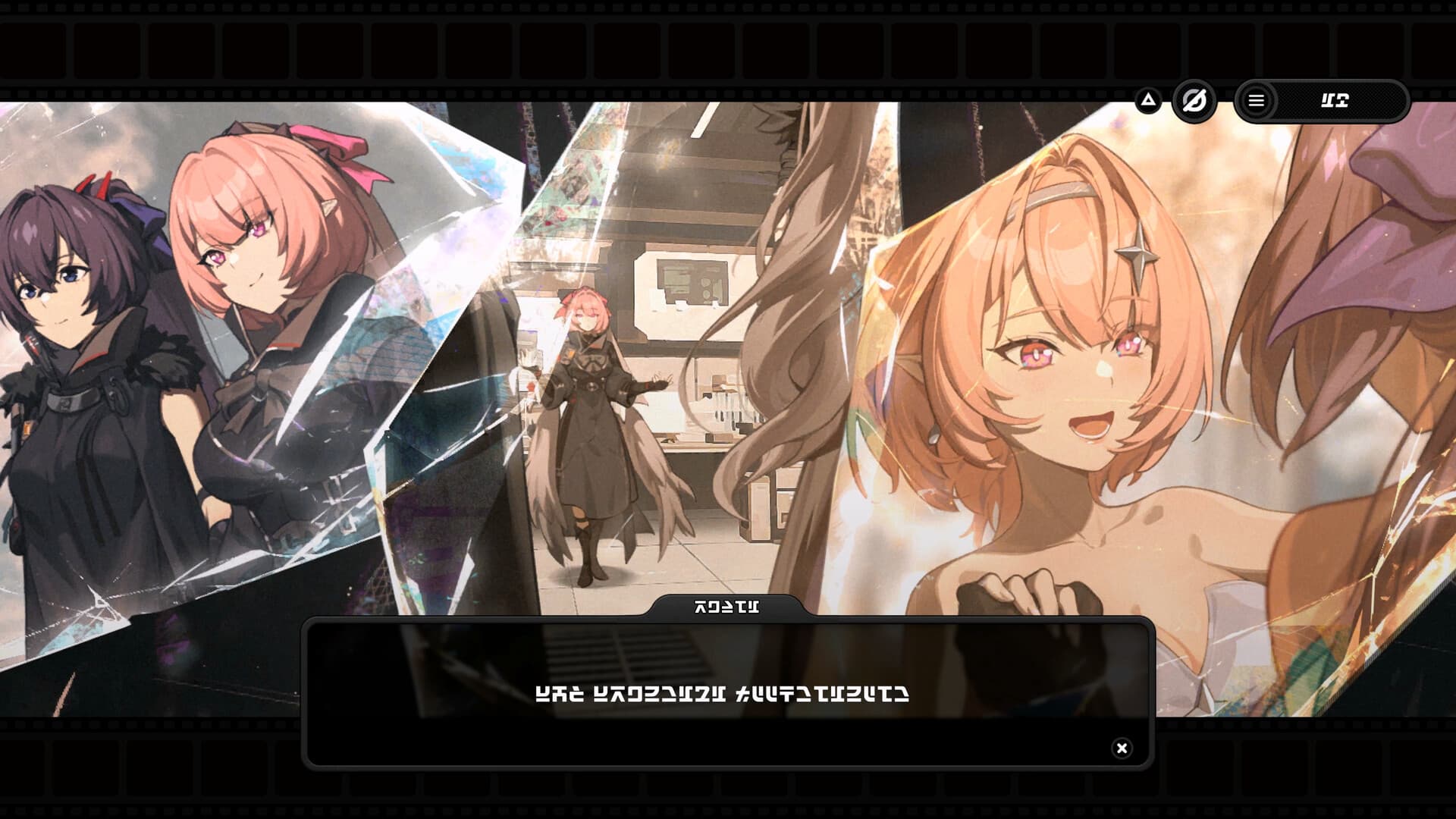
It is a Friday night and a few hundred thousand people are watching two community managers sit on a couch and read a script. Nobody is playing the game. The game is not even the point tonight. The point is the forty-five minutes of it that is about to be shown, the new character turnarounds, the event teasers, the number at the bottom of the screen that everyone is really waiting for: the redemption codes.
The version preview stream, the Special Program, the livestream, whatever a given game calls it, has quietly become one of the strangest rituals in the hobby. It is a marketing broadcast for a product its entire audience already owns, and yet people clear their evenings for it, watch it live rather than reading the recap ten minutes later, and treat it as an event in its own right. The update it is announcing is still two weeks away. The stream is now.
Why watch live when the recap exists?
Rationally, there is no reason to. Within minutes of any preview stream ending, a dozen sites and a hundred accounts will have posted the full breakdown: every banner, every event, every kit, laid out cleanly with none of the couch banter. If you only wanted the information, waiting is strictly better.
But information was never the reason. Watching live is about being there at the same time as everyone else, refreshing the same chat, gasping at the same silhouette reveal, typing the codes into the game the instant they flash on screen because for about ninety seconds those codes are the closest thing the hobby has to a shared live moment. The value is not the news. It is the simultaneity, the knowledge that a few hundred thousand strangers are leaning toward the same screen you are. In a genre you mostly play alone, that is rarer than it sounds, and it is a cousin of the same feeling we chase on a banner's launch day.
The drip that makes the flood
Modern gacha marketing figured out something clever: do not reveal a character all at once. Leak the silhouette weeks early. Drop the name. Release a single piece of splash art. Post a fifteen-second animation with no context. By the time the Special Program actually shows the full kit, the community has already spent a month theorizing, arguing, and pre-forming opinions, so the stream is not an announcement, it is a payoff.
This drip is why the reveal outgrew the update. The hype has a runway now. You do not find out about a new unit on the stream; you find out whether the version you have been speculating about for weeks is real, whether the leaks were right, whether the character you have been saving for is worth the pulls you hoarded. The stream is the moment the long guess resolves, and resolution is far more watchable than information. It is the loud end of the quiet stretch we spend in the waiting room between patches.
The codes, and the small honest bribe
Let us be plain about the codes. Studios put free premium currency behind watching the stream live, and it works exactly as intended. The three codes flashed during a preview are worth a handful of pulls, small in isolation, but they are a direct, transparent bribe to show up on time, and nobody really minds. It is one of the few times a live-service game asks for your attention and hands you something concrete in return, rather than the usual arrangement where your attention is the thing being quietly harvested.
There is a funny honesty to it. The game says, plainly, watch our ad and we will pay you in the currency you want. You say yes. Everybody understands the deal. Compared to the subtler ways games angle for our time, the code bribe is almost refreshing.
What the stream is really selling
Underneath the kits and the codes, the Special Program is selling a feeling that live-service games depend on: the sense that the thing you play has a future, and that the future is coming for you specifically. Every preview is a promise. There will be more. Here is the next character, the next region, the next reason to keep the app installed. For a genre built on the anxiety that the fun might run out, a stream that says look how much is still ahead is a powerful reassurance, and the studios know it.
That is why the reveal became the main event. An update is content you consume and finish. A preview is anticipation, and anticipation is the emotion these games are actually built to sell. The two weeks you spend waiting after the stream, planning your pulls, checking the banner calendar, reading the day-one tier lists the theorycrafters rush out, that is the product working exactly as designed.
The couch, the countdown, the community
Strip away the analysis and the appeal is simpler than any of it. It is fun to be excited about something with other people. The countdown timer, the pre-show speculation threads, the collective groan when a beloved character gets a rerun instead of a beloved character getting a new form, the flood of reactions the second a splash art drops, all of it is the sound of a community showing up at the same time to feel one thing together.
You could wait for the recap. You know you could. But you will be on the couch anyway when the stream goes live, codes ready, chat open, waiting to find out if the future they have been dripping at you for a month is finally worth the pulls you saved. Then you will check what is next, and start the wait all over again.