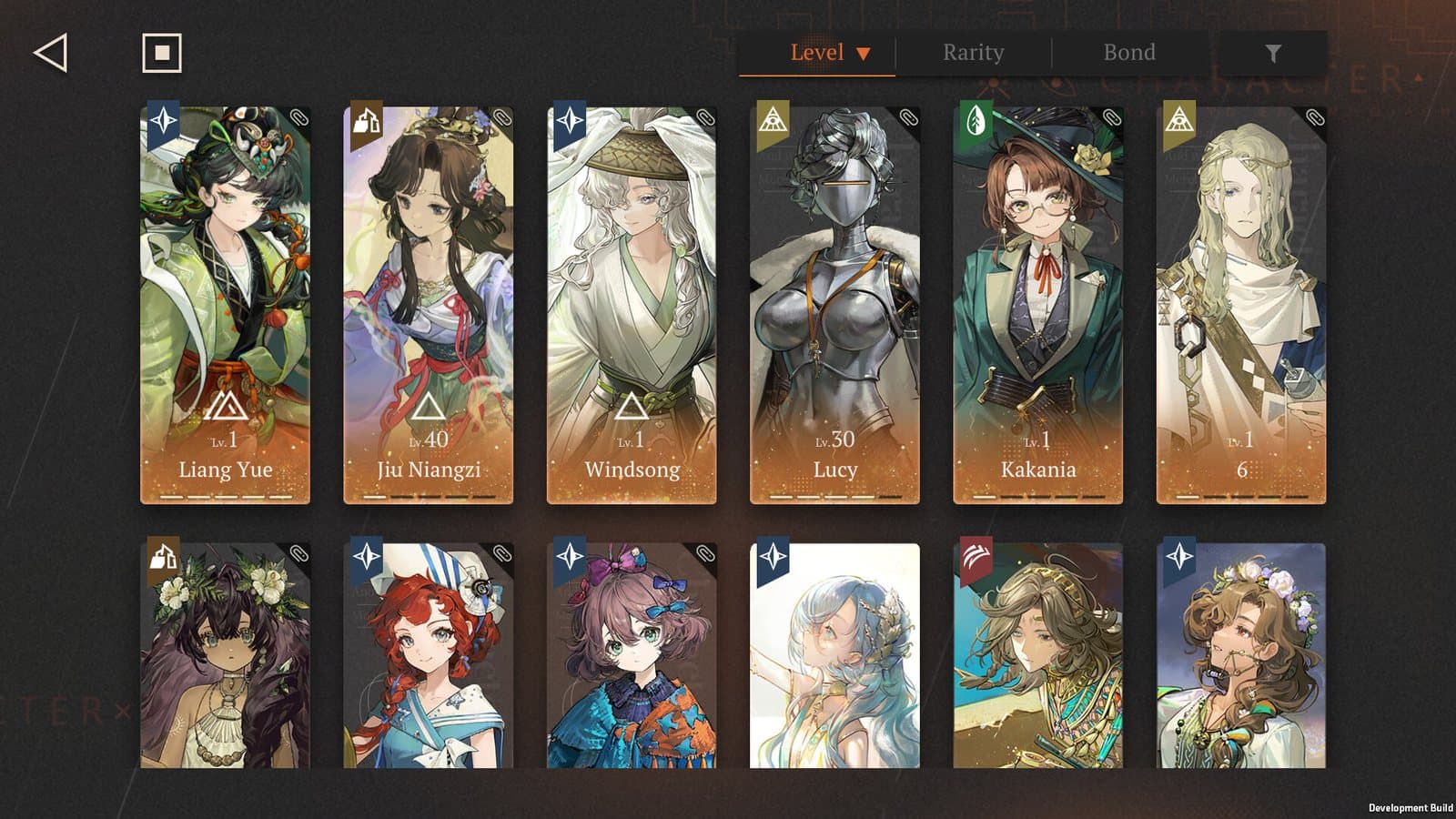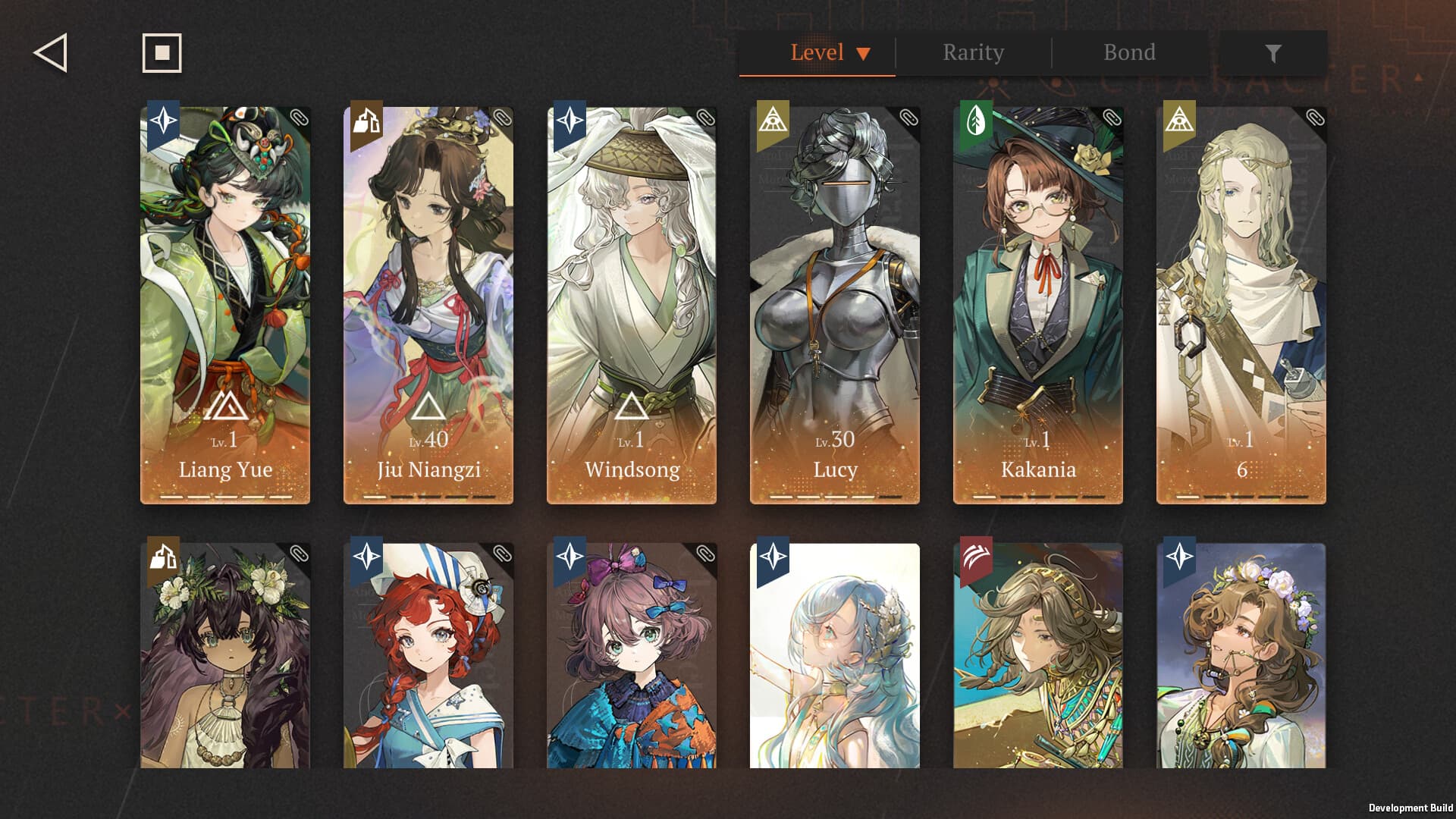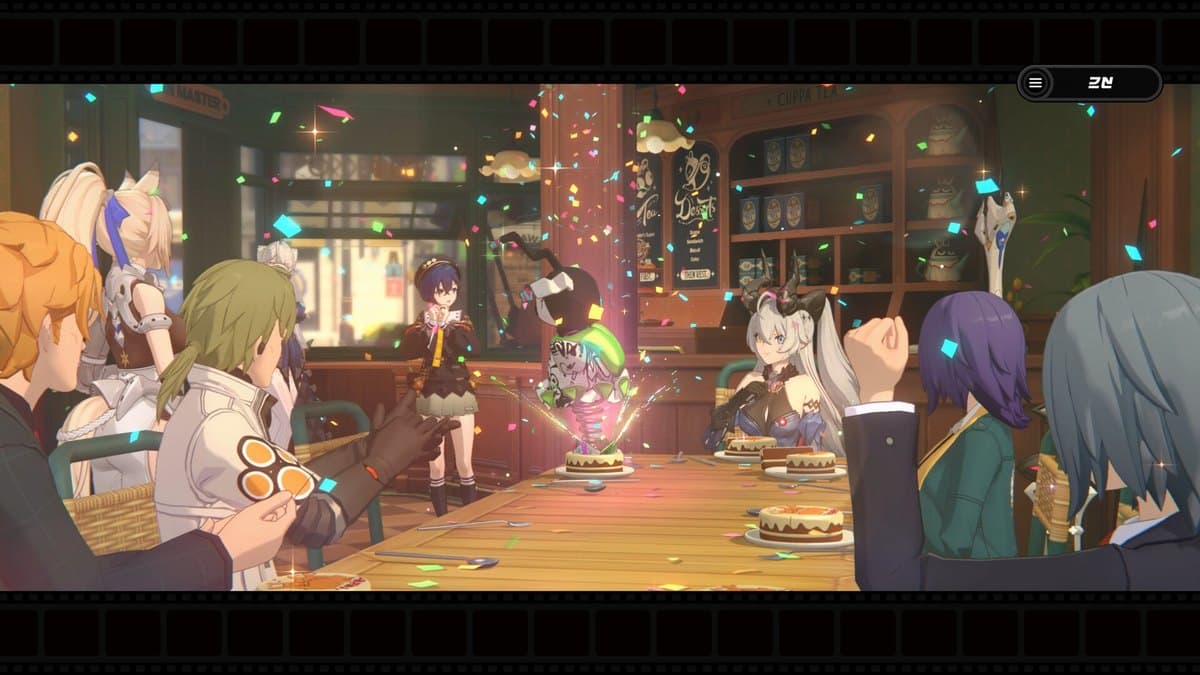
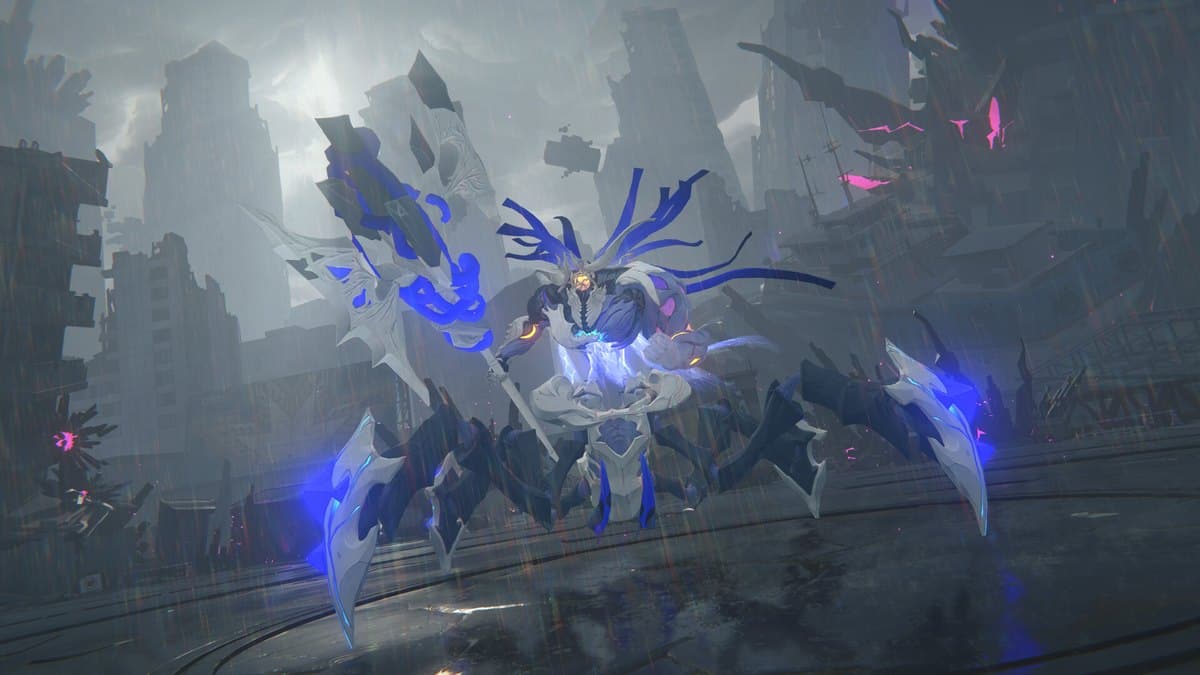
There is an official version of every gacha game's schedule, and then there is the real one. The official one arrives in polished livestream trailers, drip-fed one character at a time, timed for maximum hype. The real one arrives months earlier, in a cropped screenshot of a spreadsheet, posted by an account named something like team_meowsephine, and it is usually correct.
That gap between what the developer has announced and what the community already knows is the leak economy. It is one of the strangest features of this genre: an entire parallel information network that the games themselves pretend does not exist, that most players quietly depend on, and that shapes how millions of people spend money on characters that, officially, have not been confirmed to exist.
I want to walk through how it actually works, because "leaks" gets treated as one blurry thing when it is really several very different pipelines with very different reliability. And I want to make a case, at the end, for how to live in a leak-saturated genre without letting it run your account or ruin your fun.
Where the information actually comes from
Not all leaks are equal, and knowing which pipeline a claim came from tells you how much to trust it.
Datamines are the bedrock. When a game ships a patch, the client contains far more than what is live: unreleased character models, ability descriptions, voice lines, event scripts, sometimes entire maps, all sitting in files waiting to be switched on later. Dataminers pull these apart and publish what they find. This is the most reliable tier, because it is literally the developer's own data, but with a catch: files describe intent at build time, not the final product. A kit that is datamined in one patch can be rebalanced three times before it ships.
Beta builds are the second river. Most big gacha games run closed beta tests a version or two ahead, and testers, despite signing agreements not to, leak everything. Beta leaks give you the freshest kit numbers and the clearest banner order, but they are the most volatile, because betas exist specifically to change things. A beta number is a snapshot of a work in progress, not a promise.
The CN-to-Global gap is the third and most underrated. Several of the biggest gacha games launch in China first and reach the global audience weeks or months later. For those titles, "the future" is not a leak at all, it is just a different server that already happened. Global players watching CN are not reading tea leaves; they are reading history. We wrote about how strange that split feels in The Server Divide, and it is the single biggest reason some communities feel like they are living in a spoiler.
Reliable leakers sit on top of all of this. A handful of accounts build reputations over years by being right, cross-checking datamines against beta access against CN, and flagging their own confidence. The good ones hedge openly. The bad ones farm engagement with confident nonsense and delete the misses.
Why developers can't just stop it
Publishers hate leaks, on the record. They issue takedowns, ban beta testers, watermark builds to trace the source, and occasionally sue. And it barely moves the needle, for a reason that is structural rather than a matter of effort.
The information has to exist somewhere for the game to be made. Betas need testers. Patches need to ship the data early so the switch-on is seamless. The moment a build leaves the studio, it is in the hands of thousands of people, and it only takes one. You cannot run a live-service game that patches every few weeks without constantly putting the next few weeks onto other people's hard drives.
So the fight is not really winnable, and both sides seem to know it. What the developers can do, and increasingly do, is compete with the leaks using drip marketing: teaser art, one-line character intros, and countdown campaigns that dole out official information fast enough to own the conversation. The Special Program livestream is the counter-move, the moment the developer takes the narrative back by confirming what the leakers spoiled and adding the polish leaks can't: the trailer, the music, the reveal. It is a truce dressed as a marketing beat.
What the leaks do to how you spend
This is the part that matters for your wallet, and it cuts both ways.
On the good side, leaks are the reason a careful player can plan. Gacha runs on scarcity and time pressure, and knowing that your favorite character is two patches away lets you save instead of panic-pulling on the banner in front of you. A player who knows what is coming is a player who is much harder to rush. That is genuinely empowering, and it is why the waiting room for the next patch is one of the healthiest habits in the hobby.
On the bad side, leaks manufacture a permanent, low-grade FOMO about characters that do not exist yet. It is one thing to feel pressure about the banner that is live. It is another to feel anxious about a unit six months out whose kit will change twice before you can pull her. Leak culture can turn saving into a joyless exercise in dodging every banner in case something better is rumored, which is its own kind of trap: you never enjoy the character in front of you because a spreadsheet promised a better one later.
And there is the spoiler cost. For story-driven gacha, leaks routinely blow major plot beats months early, and the CN-Global gap means some communities cannot open a comment section without eating a spoiler for content they will not play until fall. The information is a gift and a landmine at the same time.
How to actually use leaks without getting used by them
Here is the honest, practical stance we land on, after years of watching this cycle repeat:
- Read leaks as a weather forecast, not a schedule. "Rain likely this weekend" is useful for planning and foolish to bet the house on. A leaked kit is exactly that. Use it to save, not to pre-commit.
- Weight by source, always. A datamine is firmer than a beta number, which is firmer than a reliable leaker's read, which is firmer than a hype account's screenshot. If the leakers themselves are hedging, hedge harder.
- Never pre-farm on faith. Grinding a rumored character's materials before her kit is final is the most common way leaks cost you real resources, because relic sets, ascension mats, and stat priorities change between the first datamine and release. Farm for units you own.
- Wait for the livestream to decide. The moment the official program airs, kits lock, dates stamp, and you can make a real decision instead of a bet. Everything before that is planning fuel. This is the same discipline that beats the powercreep panic: the calm player wins by acting on confirmations, not rumors.
- Curate your feeds for spoilers. If a game's story matters to you, mute the tags. The leak economy will still be there when you are ready; you just do not have to let it read you the ending.
The truce nobody signed
The strangest part of all this is how settled it feels. Developers condemn leaks and then structure their entire marketing calendar around beating them to the punch. Players decry spoilers and then refresh the leak threads every night. Leakers claim to serve the community and also run on engagement like everyone else. Nobody is happy with the arrangement, and nobody is willing to leave it.
That is because the leak economy solves a real problem the official channels created. Gacha asks you to make expensive, time-limited decisions with scarce currency, and then tells you almost nothing about what is coming until the last minute. Leaks are what a community builds when it refuses to spend blind. They are messy, often wrong, sometimes harmful, and completely rational as a response to a genre built on managed scarcity.
Use them the way you would use any forecast: to prepare, not to panic. Save on the strong rumors, commit only on the confirmations, and let the character in front of you be enough while you wait for the one the spreadsheet promised. For more on that patience as a discipline, the next-patch waiting room is where the healthiest version of this hobby actually lives.