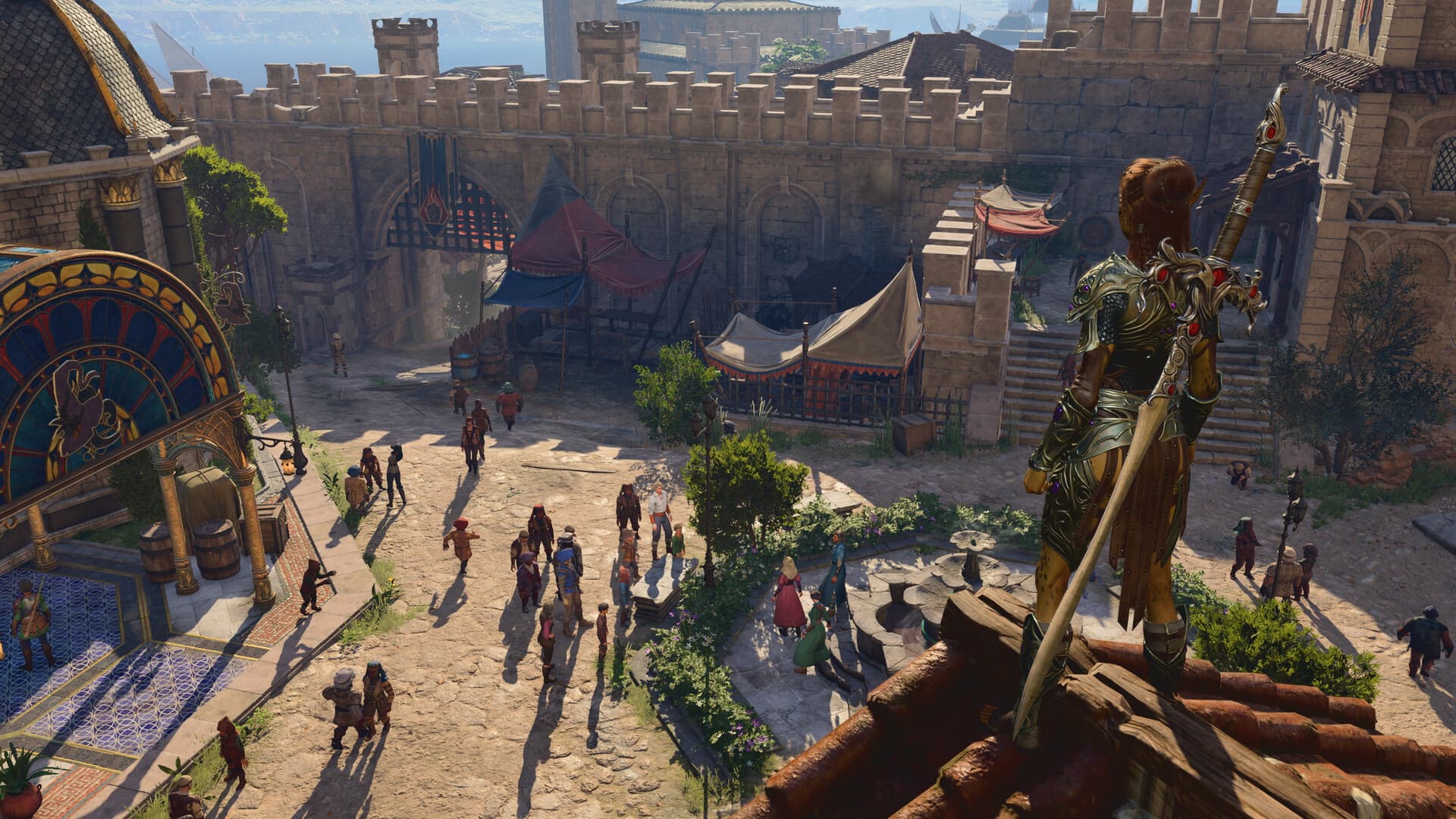
Be honest about the last big RPG you started. You loaded it up ready to play, hit the character creator, and surfaced two hours later having tried on eleven hairstyles, argued with yourself about a jaw slider, and named your character something you would immediately regret. You had not left the first room. You may not have even chosen a class yet. And it did not feel like wasted time, because the character creator is not really a menu. It is a ritual, and almost everyone performs it.
The question worth asking is not why we do this. It is why it feels so good, and what those unplayed hours are quietly buying us.
You are not customizing, you are casting
The surface story is that you are adjusting appearance settings. What you are actually doing is deciding who is about to spend the next sixty hours living inside your decisions, and some part of you knows that is a real relationship. The creator is where you cast the lead of a story you are about to co-write.
That is why the sliders feel weighty out of all proportion to their gameplay effect. Nose width will not change a single combat encounter. But it changes who you are looking at, and in a first-person or third-person game you will be looking at, or looking through, this person for a very long time. The time you sink into the creator is the time it takes to turn a default mannequin into someone you can believe in. The game has not started, but the casting has, and casting is not a step you rush.
Two players, one menu
Watch enough people hit a character creator and you notice they split into two tribes.
The first is the self-inserter. They are building themselves, or the version of themselves they would like to be, and the whole exercise is an act of careful self-portraiture. The stakes are high because the face has to feel right, and right is a moving target you know only when you see it. These are the players who spend the longest, because you cannot rush a portrait of yourself.
The second is the character actor. They are not building themselves at all. They are building a role: the grizzled veteran, the tiny menace, the impossibly regal noble, the deliberately hideous goblin made to make friends laugh. For them the creator is a costume box, and the fun is in the performance, not the mirror. Both tribes lose the same two hours. They just lose them to different fantasies.
Neither is wrong, and most of us are quietly both depending on the game. The point is that the creator serves two completely different desires with the same set of sliders, which is part of why it is so absorbing: it is a self-portrait studio and a theater wardrobe at once.
The paradox of too many sliders
Here is the strange tension modern creators sit inside. The more control a game gives you, the longer you take and the less satisfied you often feel. A game with three preset faces gets you playing in ninety seconds. A game with a hundred sliders can trap you for an afternoon in the uncanny valley, chasing a face that is always one adjustment away from correct.
Freedom, it turns out, is not free. Every additional slider is another decision you now have to make and another way to be subtly unhappy with the result. The best creators understand this and hide their depth behind good presets, so a casual player can start from something decent and a devoted one can disappear into the details. The worst ones hand you total control and total responsibility, and let you drown in it. The evening you lost was not a bug in the design. For a certain kind of player it was the intended experience.
Sameface and the tyranny of the sculpted default
There is a shadow to all this choice, and gacha players know it best. When a game gives you sliders, you can escape the house style. When it hands you fixed, pre-sculpted characters, you cannot, and you start to notice how many of them share the same delicate nose and identical wide eyes. We have written about sameface syndrome and the way a fixed roster can blur into one recurring face. The character creator is the direct answer to that anxiety: give people enough control and they will make something that is unmistakably theirs, flaws and regrettable haircut included. The hours in the creator are, in part, an insurance policy against feeling generic.
What the unplayed hours are really for
So what did those two hours actually buy? Not progress. Not loot. They bought investment. A character you built is a character you are committed to, and commitment is the fuel a long game runs on. The player who agonized over the jaw slider is the player who will still care about that face forty hours later, and probably the one who will hit photo mode to frame it once the world opens up. The creator is where a game stops being a product you bought and starts being a story you are in.
That is the quiet trick of the black hole. It looks like the game withholding itself, making you do homework before the fun. It is really the game asking you to care first, so that everything after matters more. The evening you lost to a nose slider was not time before the game. It was the game, doing its most important work while you thought you were just picking a haircut.
Chasing a game with a creator deep enough to disappear into? Our list of the best RPGs like Baldur's Gate 3 is a good place to find your next two unplayed hours.