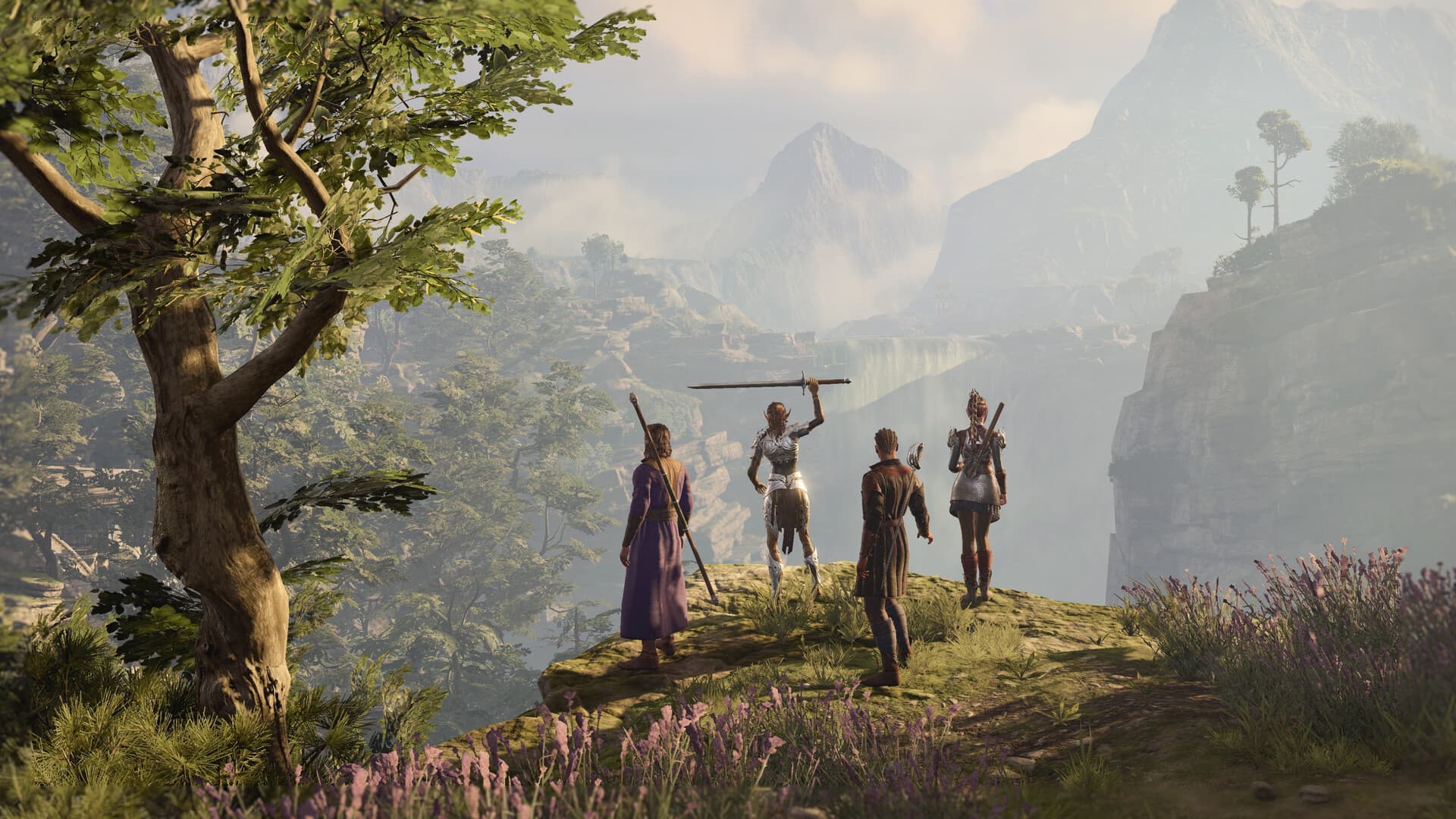
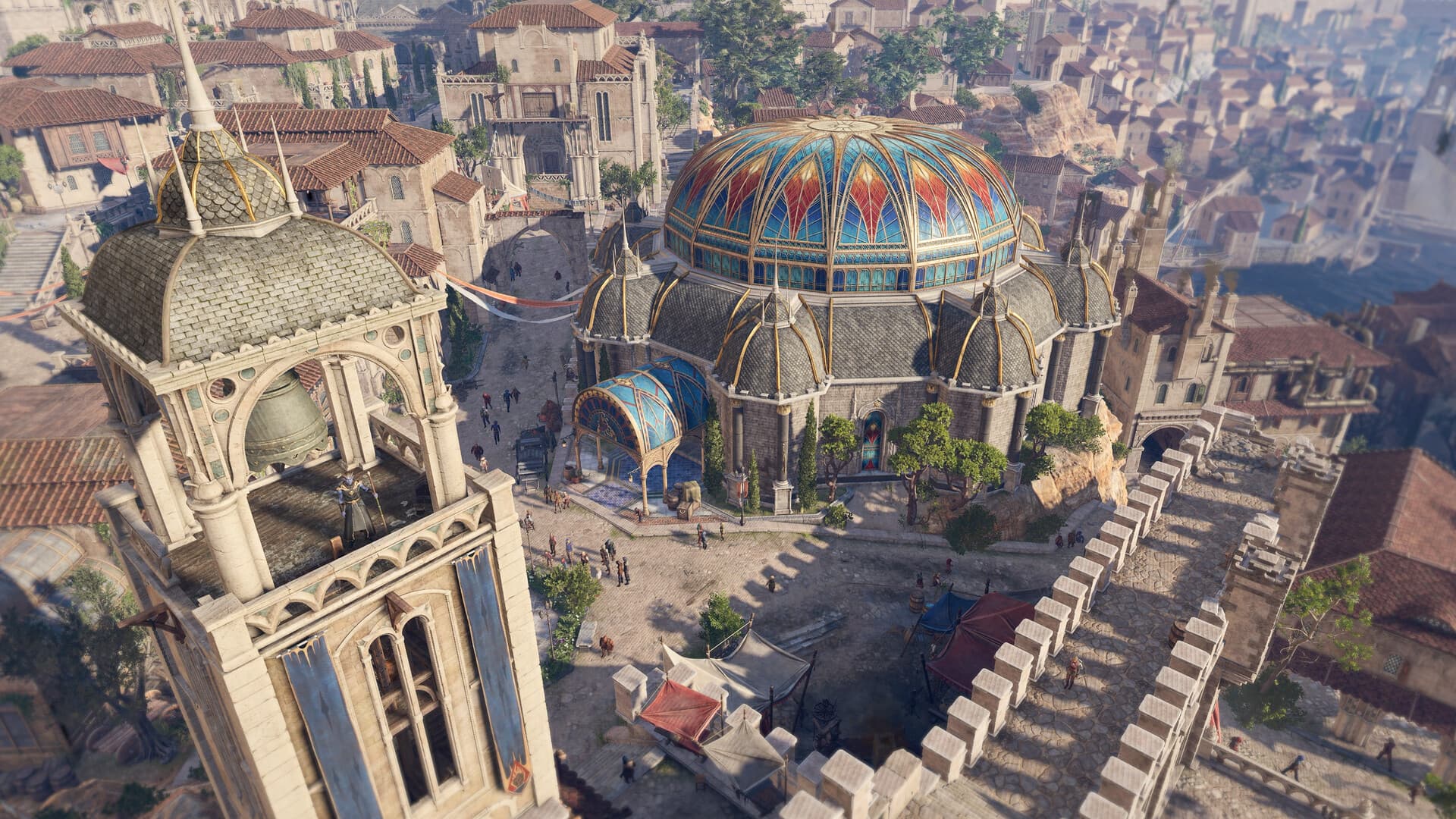
Baldur's Gate 3 is a hard act to follow because it is really three great games stitched together: a deep tactical combat system, a party of companions you actually care about, and a story that bends around your choices with almost unsettling attentiveness. Most games nail one of those. A rare few nail two. Almost nothing nails all three at once, which is exactly why BG3 left the hole it did.
So the honest way to recommend what to play next is to ask which part you are missing most. The list below is sorted with the closest overall matches first, but each entry calls out the specific BG3 craving it satisfies.
1. Divinity: Original Sin 2
The obvious answer, and the right one. This is the game Larian made before Baldur's Gate 3, and BG3's DNA is all over it: turn-based combat, a rich party, deep reactivity, and full drop-in co-op. Its combat is arguably even more of a physics-and-elements playground than BG3, letting you set oil slicks ablaze, electrify puddles, and teleport enemies into their own traps. The setting is high fantasy rather than D&D, and the systems are a touch more punishing, but if you loved BG3, this is the one to play tonight. Closest to: everything BG3 does, from the same studio.
2. Pathfinder: Wrath of the Righteous
The deepest character system on this list, full stop. Wrath of the Righteous is a sprawling CRPG built on the Pathfinder ruleset, with an absurd number of classes, subclasses, and multiclass combinations, plus a Mythic Path system that lets you become an angel, a demon, a lich, and more, reshaping the whole campaign around your choice. It offers both turn-based and real-time-with-pause combat. It is enormous and occasionally overwhelming, and that is the appeal. Closest to: BG3's build depth and its "my choices reshape the story" ambition, dialed to eleven.
3. Solasta: Crown of the Magister
If what you miss is specifically the Dungeons & Dragons of it all, Solasta is the most faithful adaptation of the 5e tabletop ruleset in a video game. Smaller in scope and budget than BG3, it makes up for it with tight, verticality-obsessed tactical combat that truly respects the dice, plus a genuinely great dungeon-building community. Closest to: BG3's exact combat rules and that tabletop-y feeling of a plan coming together on a good roll.
4. Pillars of Eternity II: Deadfire
Obsidian's masterclass in writing and world-building. Deadfire trades the D&D dice for its own systems and sets you loose in a gorgeous archipelago as the captain of your own ship, with companions and factions written with real bite. Its reactivity to your choices, across both games, is some of the best in the genre. It leans real-time-with-pause by default but offers a full turn-based mode. Closest to: BG3's storytelling, companion writing, and political intrigue.
5. Dragon Age: Origins
The modern classic that taught a generation to love party-based fantasy RPGs. Origins pairs tactical, pausable combat with one of the best-written companion rosters ever assembled and a dark, grounded fantasy world that reacts to a background you choose at creation. It is older and shows its age in places, but its core, a party of distinct people you grow attached to as you make grim choices together, is pure BG3 spirit. Closest to: BG3's companion bonds and morally weighty decisions.
6. Warhammer 40,000: Rogue Trader
Owlcat's turn-based CRPG set in the grim darkness of the far future. Rogue Trader hands you command of a dynasty's void ship and a crew of zealots, psykers, and aliens, then lets you rule a corner of the galaxy through choices that range from merciful to monstrous. The turn-based combat is deep and buildcraft-heavy, and the setting is a refreshing break from fantasy. Closest to: BG3's turn-based tactics and heavy consequence, in sci-fi clothing.
7. Disco Elysium
The outlier, and one of the greatest RPGs ever written. There is no combat at all. Instead, you play a wrecked detective whose own skills argue with him inside his head, and the entire game is dialogue, investigation, and the slow, funny, tragic reconstruction of who you are. If the part of BG3 you loved most was talking, roleplaying, and watching your choices ripple outward, nothing does it better. Closest to: BG3's dialogue, roleplay, and reactivity, distilled to its purest form.
8. Wasteland 3
Squad-based turn-based tactics with a mean streak of dark humor, set in a frozen post-apocalyptic Colorado. Wasteland 3 excels at giving you difficult choices with genuinely branching outcomes, playable start to finish in co-op, and a combat system that rewards careful positioning and party composition. Closest to: BG3's tactical combat and consequence-heavy choices, with a grimy, comic tone.
How to choose
For the surest thing, play Divinity: Original Sin 2, no notes. For maximum build depth and a story you can bend, go Pathfinder: Wrath of the Righteous or Rogue Trader. For the truest D&D rules, it is Solasta. For writing and companions above all, reach for Pillars of Eternity II or Dragon Age: Origins. And if it turns out the combat was never the point for you, Disco Elysium will change how you think about the whole genre.
Where to go next
Whichever you pick, most of these live and die by your build and party, so if you are still finding your footing in the genre, our Baldur's Gate 3 best class for beginners guide is a good primer on the fundamentals these games share. And for a different flavor of deep, choice-driven RPG, the Elden Ring starting class guide covers the action-RPG side of things. More recommendation lists live in the guides hub.