You load in after the update, run the same rotation you have run for a hundred hours, and something is off. The gun kicks harder. The rare mob you farm has stopped coughing up the thing you farm it for. The boss that used to fold now soaks two more phases. You alt-tab to the patch notes, scan them twice, and find nothing. No line item. No "adjusted." No acknowledgment that the floor moved at all.
That gap between what changed and what got written down is the silent nerf, and here is the thesis this piece rests on: the change is almost never the betrayal. The silence is. Players will forgive a nerf they hate far faster than they will forgive being told, by omission, that they were not supposed to notice.
What actually counts as silent
Not every undocumented tweak is a scandal, so it helps to be precise. A silent nerf is a deliberate, player-affecting change to numbers or behavior that the developer chose not to disclose in the notes that shipped with it. Drop rates that quietly drift down. A damage value shaved without a mention. A spawn table thinned out. A cooldown stretched. An interaction that used to work and now returns nothing, with no line explaining why.
The keyword is player-affecting. A studio does not owe you a changelog entry for every backend refactor or renamed variable. Nobody wants patch notes that read like a git log. The problem is narrower: when a change alters how the game feels to play or how your time converts into rewards, and the studio ships it dark, it has made a decision about you. It decided you either would not notice or could not prove it.
That decision is the part that stings, and it is worth sitting with why studios keep making it.
Why studios do it anyway
Most silent nerfs are not villainy. They are pressure, embarrassment, and habit, in roughly that order.
The most common reason is boring: someone forgot, or the notes went out before balance finished, or the person writing the changelog was not the person who touched the config file. Live-service builds are enormous and the patch note is often the last, most rushed artifact in the pipeline. A lot of "stealth" changes are just clerical failures later dressed up as conspiracy.
Then there is the loud reason. Some nerfs get buried on purpose because the team knows the reaction will be ugly and would rather absorb a slow trickle of complaints than a launch-day riot. Cut a drop rate and announce it, you eat the backlash all at once. Cut it and say nothing, and the pain diffuses across weeks of players quietly wondering if their luck went bad. The math is cynical but real: undocumented, the damage looks like variance. Documented, it looks like a decision.
Gacha and live-service economies add a third pressure, because there a "nerf" is often a monetized quantity. A banner unit that overperforms is a unit people already paid for. Adjust its numbers loudly and you have publicly devalued a purchase, which invites refunds, review bombs, and the specific fury of people who feel their money was moved after the fact. The temptation to make that adjustment quietly is enormous, and it is exactly the temptation that most corrodes trust when it gets caught. That same anxiety drives the powercreep panic that makes every gacha balance change feel like a threat to your wallet, and it is why gacha communities police undocumented changes harder than almost anyone.
The community always finds out
Here is the miscalculation at the heart of the silent nerf: it assumes the game is a black box, and it has not been one for years.
Modern live-service games are the most surveilled software most people ever touch. Dataminers pull the values straight out of the build, often before the patch goes live, and post them in spreadsheets thousands cross-check. Theorycrafters track damage per second to the decimal and notice a two percent drift the way a musician notices a flat note. Farmers run thousands of runs into rate trackers, so a "bad luck streak" that is actually a shaved drop rate shows up as a statistical cliff on a public chart. The community that plays your game hard enough to care about a hidden nerf is the community equipped to detect it.
This is why datamining has quietly become the real balance-note system for a lot of these games. When the official notes go dark, the datamined leak becomes the meta's source of truth, and the studio ends up in the worst spot: the change is public anyway, but the studio did not narrate it, so the community writes the story instead. And the community's story is never "they must have had a good reason." It is "they hid it because they knew we would hate it."
You do not get to skip the disclosure. You only choose whether you or your angriest players write the changelog.
The line between a balance pass and a stealth nerf
Two studios can ship the exact same numerical change and land in completely different places. The difference is entirely in the telling.
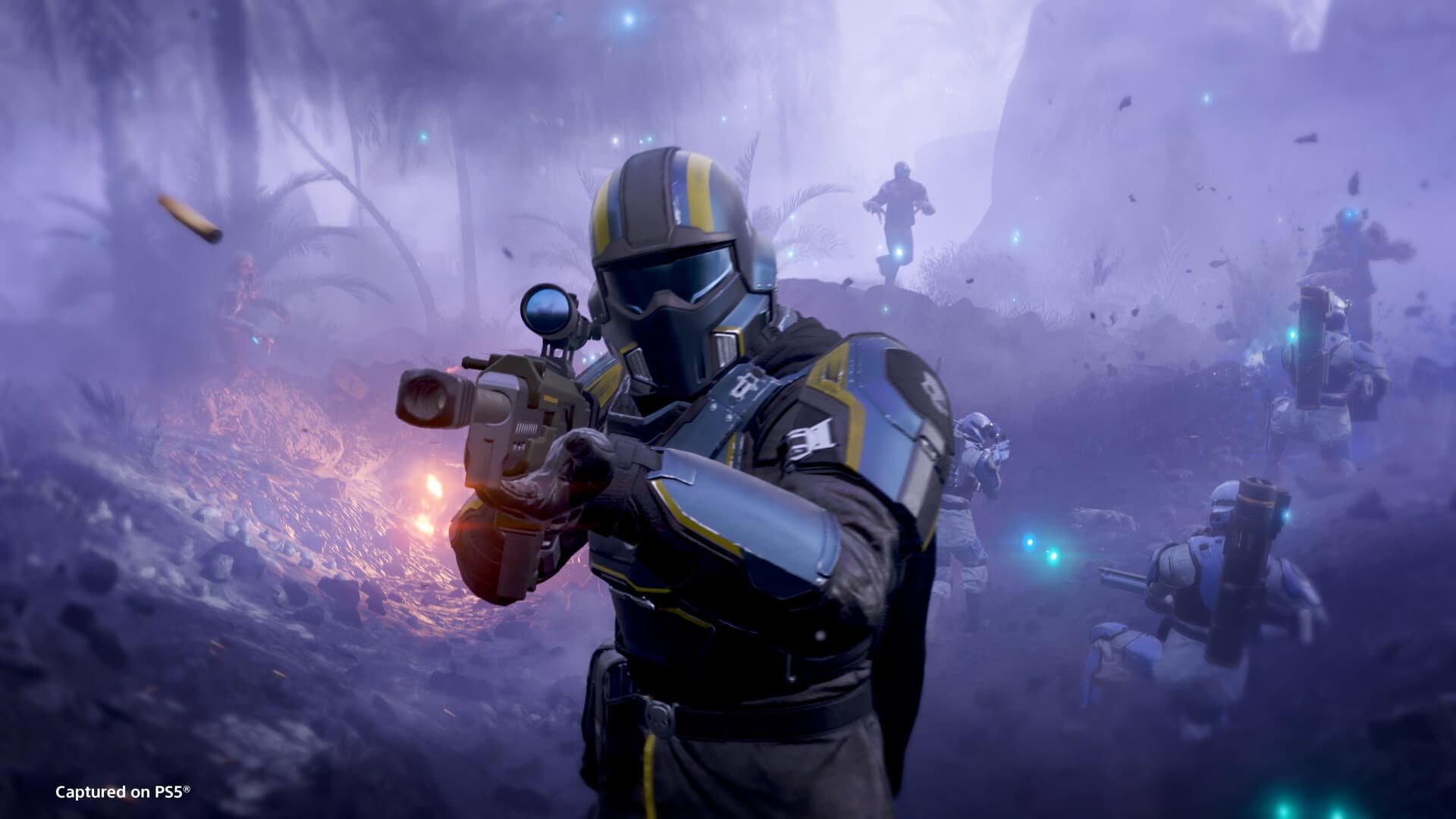
A documented balance pass says: this weapon was overtuned, we brought it down eleven percent, here is our reasoning. You can disagree with it. You can be furious about it. Helldivers 2 spent a stretch of 2024 proving a well-explained nerf can still detonate a community, when a run of patches weakening popular weapons drew enough backlash that the studio publicly walked changes back and rewrote its whole approach to balance. But notice what that fight was about. Players were arguing about whether the change was correct, out in the open, on shared facts. That is a healthy argument. That is the argument you want.
A stealth nerf denies you even that. There is no reasoning to disagree with because there is no acknowledgment there was a change. You are left arguing about whether you are imagining it, a worse and more corrosive fight, because now the disagreement is not about balance philosophy. It is about whether the studio is being honest with you. Once a community is litigating that question, every future patch gets read through it. Every unexplained bit of variance becomes evidence. Trust, once it tips into suspicion, taxes everything.
Where the silence is defensible
None of this means every change must be broadcast the instant it ships.
Anti-exploit hotfixes are the clearest exception. If a dupe glitch is minting infinite currency, or a boss can be skipped in a way that trivializes an economy, the studio has a genuine reason to patch it fast and describe it vaguely. Publishing the exact mechanics of an exploit is publishing a how-to guide for the next one. "Fixed an issue that allowed unintended item duplication" is a legitimate patch note even though it withholds the recipe. Speed and discretion there protect the game for everyone.
Security fixes, anti-cheat changes, and server-side tuning that a studio needs to test quietly before committing all have defensible shades of quiet, too. The honest test is not "did they disclose every number." It is intent and impact. Was the thing withheld to protect the game, or to protect the studio from a decision it knew players would reject? A hotfix that stops griefing is protecting you. A shaved drop rate that stops you earning something without spending is protecting revenue at your expense and hoping you will not chart it. The first earns a pass. The second is the thing this piece is about.
What good patch-note hygiene looks like
The fix is not complicated, which is the frustrating part. Studios that get this right do the same handful of things.
They log player-affecting changes even when embarrassing, because getting caught hiding it is always worse than the change itself. They put genuinely sensitive exploit fixes in a vague-but-acknowledged bucket rather than pretending nothing happened. They correct the record fast when a change slips out undocumented, instead of letting a dataminer's spreadsheet stand as the only account. And when they reverse course under pressure, they treat it as a comeback to be earned openly rather than another quiet edit hoping nobody keeps score.
The studios that fumble this treat patch notes as marketing, a place to list the good news and swallow the bad. That works right up until the anniversary, when the review bomb arrives carrying a year of small betrayals nobody ever admitted to. A patch note is not a press release. It is a receipt.
The receipt is the point
Players are not fragile. They live through nerfs constantly, absorb powercreep, weather reworks that gut a main, and keep playing. What they cannot metabolize is the sense that the ground can move without anyone telling them, that their thousand hours of pattern-matching can be quietly overruled and they are expected to swallow the doubt as their own bad luck.
Tell people what you changed. Tell them even when it is unflattering, even when the honest note is "we made this worse on purpose and here is why." A nerf you can see is a disagreement, and disagreements between a studio and its players are survivable, even healthy. A nerf you have to discover is a lie of omission, and those compound. This is the same trust ledger that runs through every live-service roadmap: the relationship does not break when the news is bad. It breaks when the news is hidden. The silence is the only part you cannot patch later.